
Last updated November 25, 2026
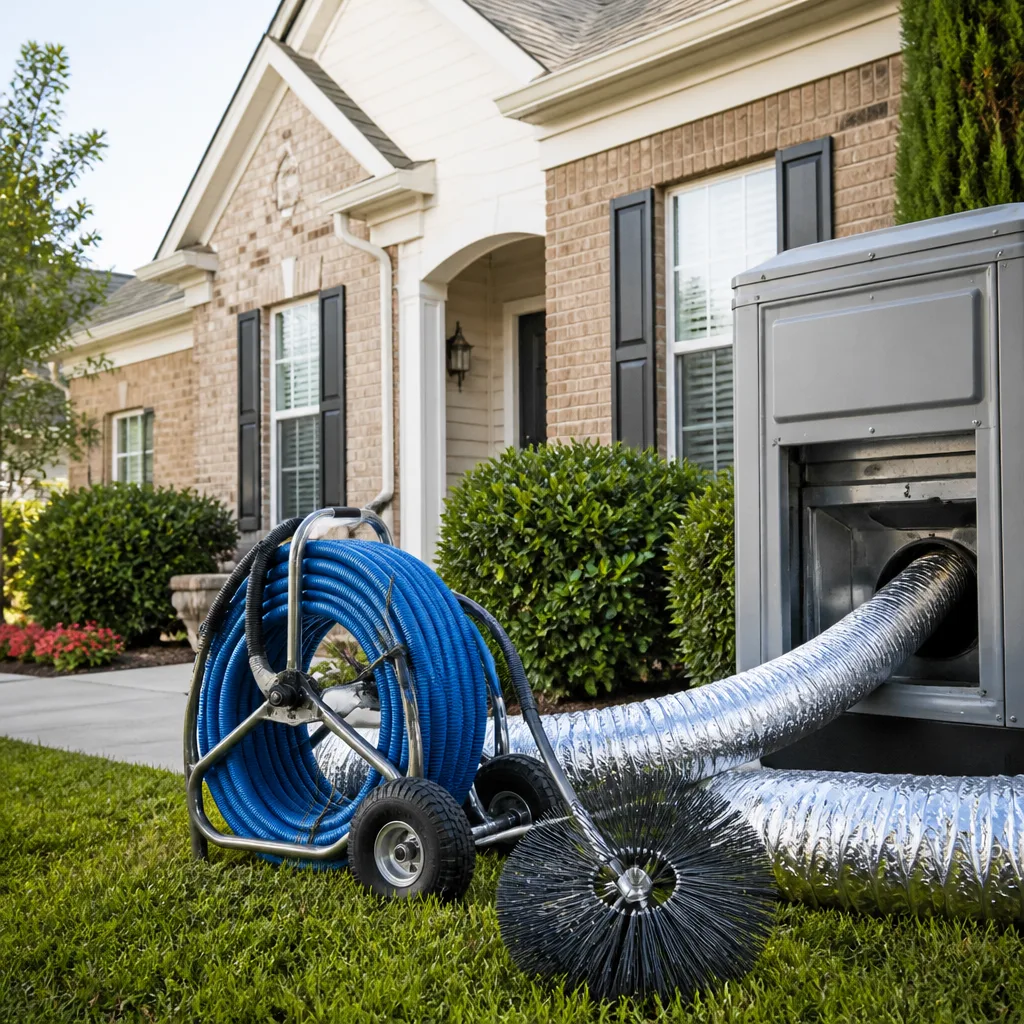 Whole-home duct cleaning
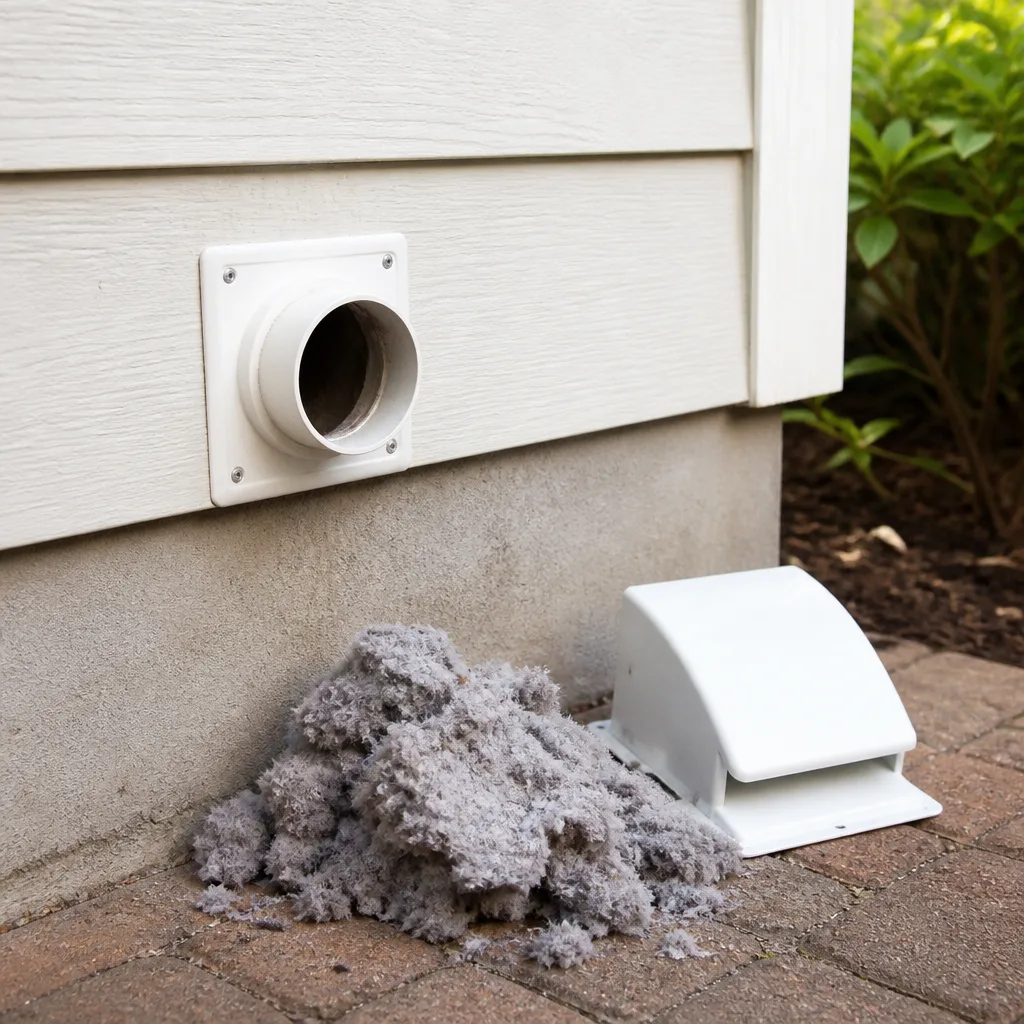 Dryer vent cleaning
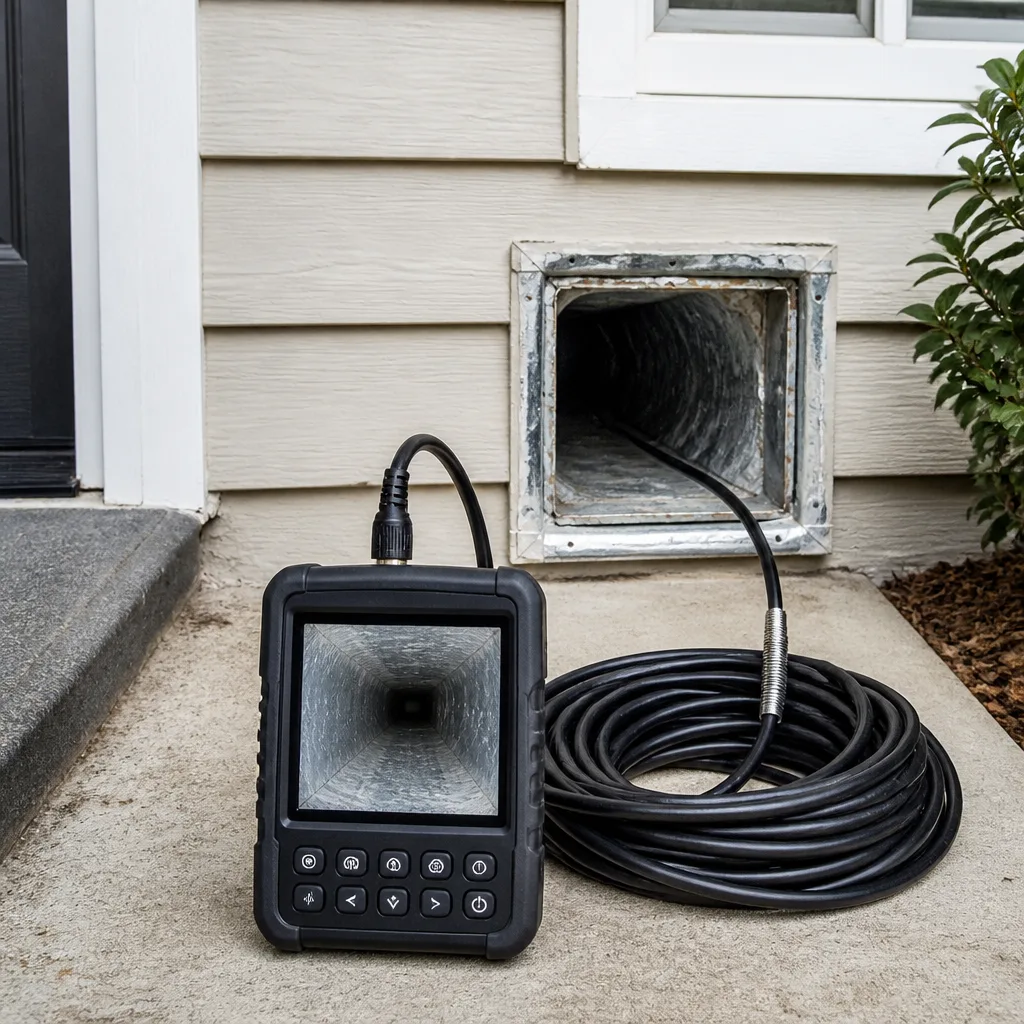 Camera inspection
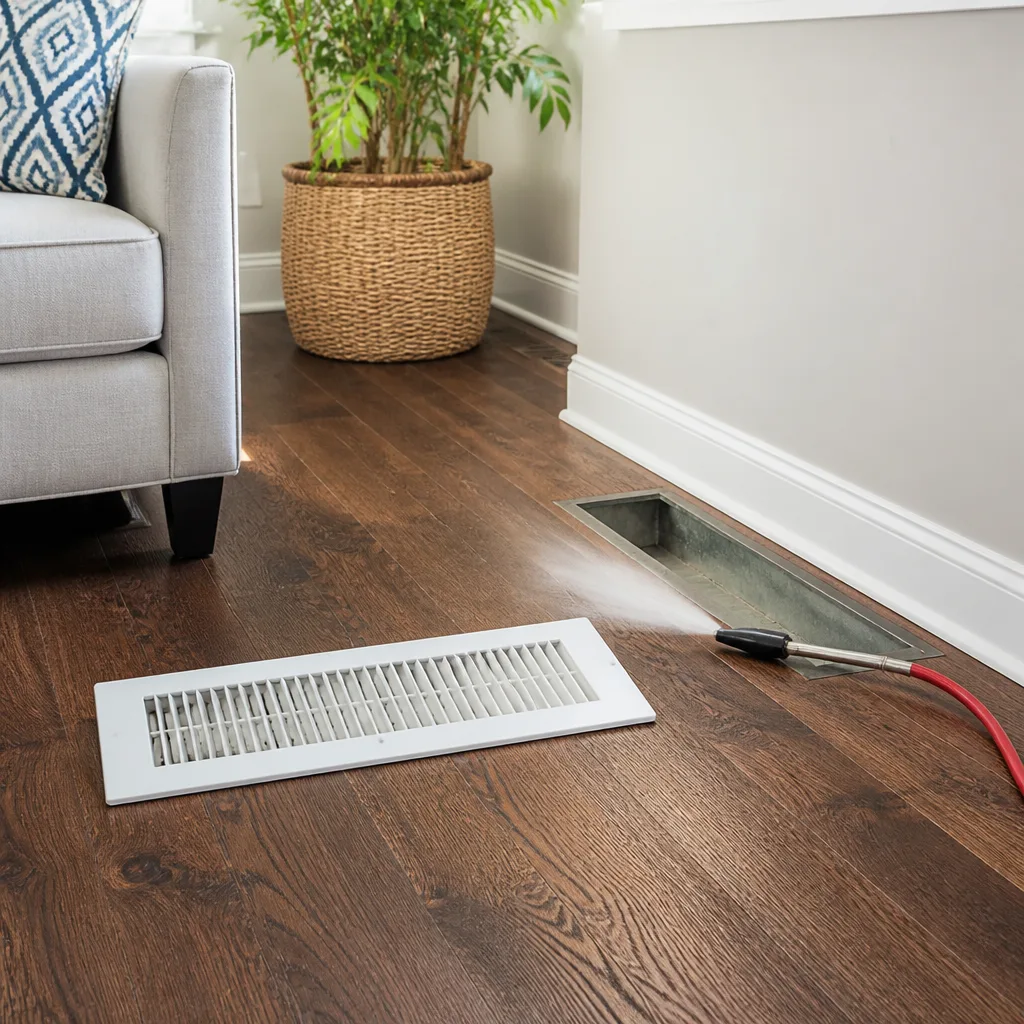 Sanitizing & deodorizing
Whole-system duct and dryer vent check with before-and-after photos - you see exactly what came out of your vents
That "$99 whole-house special" is a bait ad - the real number appears once they are in your hallway, or the "clean" is a shop-vac at the register. We photograph the inside of your ducts before and after instead.
Air Duct Cleaning Warning Signs: A Broomfield Homeowner’s Reference Guide
If you’ve replaced your HVAC filter three times in a year because it keeps loading up fast, the filter isn’t the problem. It’s doing its job perfectly. The problem is the volume of particulate your system is circulating, which points directly upstream to duct condition. Fast filter loading is one of the most diagnostic signals most homeowners overlook. This guide maps the observable warning signs of a failing duct system back to their actual source, so you know whether you’re looking at a cleaning job, a repair job, or something that needs attention from a different trade. A lot of what looks like a filter problem in Broomfield turns out to be a duct problem.
Quick Answer
The main warning signs that your Broomfield ducts need attention are filters that load up faster than they used to, visible dust streaking on vents and supply registers, uneven room temperatures, rising energy bills without a rate change, musty odors when the system starts, and visible debris or pest activity inside registers. Any one of these doesn’t automatically mean you need cleaning. What matters is whether a sign keeps coming back after you’ve cleaned the obvious surface, because that pattern points to the duct system itself.
Styles & brands we work with
- Whole-home duct cleaning
- Dryer vent cleaning
- Camera inspection
- Sanitizing & deodorizing
Table of Contents
- The Five Observable Symptoms That Point to Your Ducts
- How to Tell Duct-System Dust From Normal Household Dust
- Warning Signs Specific to Broomfield Homes
- HVAC Performance Signals That Indicate Airflow Restriction
- When a Warning Sign Means Cleaning vs. a Bigger Problem
- How a Proper Inspection Works
- Common Mistakes to Avoid
- When to Call a Professional
The Five Observable Symptoms That Point to Your Ducts
Most duct problems in Broomfield show up as proxies. You don’t see the debris because it’s moving, but you see its effects. These five symptoms are the ones we look for first because each one points at a specific duct condition rather than a general “dirty house” explanation.
- Filters that load up fast. A filter capturing more particulate faster than it used to is telling you the system is moving more particulate. That can come from sediment sitting in the duct runs, from gaps that pull in unconditioned air, or from settling debris that gets re-entrained every time the blower runs.
- Dust streaking at supply registers. Dark trails radiating out from a vent on the ceiling or wall mean air is escaping around the register boot with enough velocity to carry dust with it. That’s usually a leak or seal problem, not just a cleaning problem.
- Musty or stale smell at startup. A brief smell when the system first kicks on points at moisture or organic buildup somewhere in the airstream. In Broomfield’s dry air, persistent mustiness is worth investigating rather than dismissing.
- Visible debris in the register. Shine a light into a supply register. Loose sediment, construction dust, or debris clinging to the boot is a direct view of what the rest of the run likely looks like.
- Cold or warm spots that shift. Rooms that used to heat or cool evenly but now don’t, with no other change to the house, often reflect restricted airflow in one branch of the system.
What separates a real warning sign from noise is recurrence. If you clean a register and dust returns in weeks rather than months, the source is still active. That distinction is the whole point of this guide, and it’s why air duct cleaning should only be scheduled after you know what’s driving the symptom.
How to Tell Duct-System Dust From Normal Household Dust
Household dust is a mix of skin cells, fabric fibers, outdoor soil, and whatever air comes through the returns. Duct-system dust is different in three ways: particle size, distribution pattern, and how fast it comes back.
Particle size
Duct-sourced particulate tends to be finer and more uniform. If you wipe a surface and it comes up as a grey film with a slightly gritty feel, the grit is often mineral and soil particulate carried in from the return side. Fibrous, clumpy dust is usually household. Fine, almost powdery dust that keeps returning after you clean is the more diagnostic kind, because it’s being pushed out of the system rather than settling out of the room.
Distribution pattern
Normal dust settles fairly evenly, with more accumulation on horizontal surfaces and less on vertical ones. Duct-driven dust clusters. Look for heavier buildup directly under and around supply registers, on the wall or ceiling surfaces nearest a vent, and on horizontal ledges out of the direct airstream. If the pattern is a plume around a register rather than a room-wide coat, the duct side is the source.
Reappearance speed
This is the test most people miss. Clean a surface and note the date. If the same surface shows the same film within a couple of weeks while nearby surfaces stay clean, you’re not fighting normal dust; you’re fighting an active source. That’s the pattern we tell Broomfield owners to look for before scheduling anything, and it’s the pattern that justifies a full inspection.
If you suspect the source is your system’s return side, that’s the same condition HVAC cleaning is meant to address. A full-system look matters, because a duct-only clean on a system whose air handler is packed with debris just pushes the same material back into the runs.
Warning Signs Specific to Broomfield Homes
Broomfield has three patterns we see repeatedly, and they all look like “the ducts are dirty” until you understand what’s actually in them.
Construction-era debris in newer developments
Homes built during Broomfield’s recent growth phases often carry drywall dust, sawdust, and insulation fiber from the framing and finishing stage. Much of it settles into the supply runs during construction before finishes are done, and the HVAC system can distribute a light layer of it for years after. In a newer Broomfield home, a constant dust film on horizontal surfaces near registers is often construction residue working its way through, not a housekeeping issue.
Residue from wildfire smoke seasons
Broomfield sits on the Front Range, and summer smoke from regional fires has become a regular seasonal event. Smoke carries fine particulate that the return side pulls in and the filter catches imperfectly. Some of it settles into duct surfaces over time. If you notice a faint smoke odor at startup long after the smoke has cleared, or a return to musty smells after a heavy smoke season, the duct system is likely holding what the filter didn’t capture.
Evaporative cooler crossover
Some Broomfield homes use an evaporative cooler for part of the year and a furnace or heat pump for the rest. If both share the same ductwork, the cooler side can introduce moisture and mineral residue into the runs that a standard filter never sees. When ductwork is shared between two systems with different moisture profiles, the crossover is a warning sign in itself and is worth inspecting before assuming you just need a cleaning.
Each of these patterns calls for a different kind of attention, and Broomfield Air Duct Cleaning exists in the middle of them because none of these are solved by a generic clean and go.
HVAC Performance Signals That Indicate Airflow Restriction
Your HVAC system is a very good pressure gauge, even if it doesn’t have a dial. When a duct run is restricted, or when leaks let the system pull air from the wrong place, the equipment shows it through run times and cycling.
- Longer run times without a change in weather. If the heating or cooling equipment runs noticeably longer than it did in the same month last year, the system is working harder to move the same air. Debris buildup, partial collapse, or disconnected runs all produce this.
- Short cycling after cleaning. The opposite signal. If the equipment starts cycling unusually fast, or you hear a blower speed change with no change in setpoint, the duct system may be delivering inconsistent static pressure.
- One zone or one wing that never matches. Uneven delivery across a house usually traces to a specific branch, not the whole system. That branch is where the inspection should start.
- Whistling or air noise at registers. A register that whistles is telling you the air velocity through that boot is high because the path is restricted somewhere else. Noise is not always a seal failure; sometimes it’s a sign of a duct run that needs airflow correction.
- Higher utility bills without a rate change. If the blower runs longer to move the same air, the kWh follows. Rising bills are a legitimate airflow signal when nothing else about the house has changed.
Heat pump and furnace systems are especially sensitive to the return side. A return that’s too restrictive or too leaky forces the equipment to labor, which is why we check the return across its full length rather than just at the grille. If the restriction traces back to your heat-producing or cooling equipment itself, a scheduled HVAC cleaning is the right next step before assuming the ducts are the only culprit.
When a Warning Sign Means Cleaning vs. a Bigger Problem
Not every sign points at cleaning. Some point at water intrusion, some at pests, and some at a duct run that has physically failed. Telling them apart matters because the wrong response costs money twice: once for the work, and again for the problem that never got solved.
Signs that usually mean cleaning
- Uniform grey film or fine sediment at supply registers
- Dust that returns slowly and evenly across rooms
- Return-side debris visible through the grille
- A faint musty smell that goes away once the system runs
Signs that mean something else is happening
- Mold. Actual mold growth in a supply run usually starts at a wet spot, not a dirty spot. If you see dark staining inside a duct close to a bathroom, kitchen, or condensate line, the source is moisture. Cleaning alone won’t solve it; the moisture has to be found first. That’s a separate job from a standard clean.
- Pest intrusion. Droppings, nesting material, or evidence of gnawing in a register are not cleaning problems. The entry point has to be sealed or the pest activity resumes immediately after service.
- Structural failure. Disconnected flex duct, crushed rigid runs, or collapsed takeoff joints are common in older Broomfield homes where ductwork was rerouted over the years. Cleaning a disconnected duct just deposits debris into a crawlspace or wall cavity. This is the case where our repair capability matters, and it’s why duct repair and sealing is offered alongside cleaning rather than as a follow-up appointment.
The rule of thumb we give Broomfield homeowners: if a warning sign disappears after cleaning, it was a cleaning problem. If it comes back within a few weeks, or if it started with something else (water, pests, a remodel), the diagnosis needs to happen before any work is quoted. That distinction is not a sales tactic. It’s the difference between a service that solves the problem and a service that repeats it annually.
How a Proper Inspection Works
An inspection isn’t a walkthrough. It’s a structured look at the system from return to supply, with the equipment to see what the eye can’t. Here’s what a thorough inspection sequence looks like, and what we look for at each step.
- Return side first. The return carries more volume than the supply because it’s pulling air back from the whole house. The grille, the filter slot, the plenum, and the return trunk all get checked for debris, gaps, and filter-bypass problems.
- Air handler and coil. Coil faces and cabinet interiors get checked before the ducts are touched. Debris there is a source that will refill the ducts if it isn’t addressed first.
- Supply runs and boots. Each branch is checked for buildup, sagging, disconnection, and crushed sections. Debris that’s actually construction dust, drywall, or insulation fiber gets documented by location, because the location tells you whether it’s on the supply or return side of the filter.
- Pest and moisture check. Entry points, condensate areas, and any sign of drip or humidity inside the runs get checked before cleaning is quoted.
- Containment plan. This is the step most people never see. Before the first brush goes into a duct, the work area gets contained and the system gets placed under negative pressure so loosened material stays in the ductwork and gets captured, not pushed into the room. We use Abatement Technologies containment protocols for this exact reason: contaminants contained, not just disturbed.
- Equipment match. Tensioned rotary brush systems, HEPA vacuum units, and the right brush type for rigid metal vs. flex duct all matter. Consumer rentals and generically issued franchise units can’t do what a professional-grade Rotobrush or Nikro system does on a real run.
The inspection sequence is why we can tell you in one visit whether you’re looking at a clean, a repair, or a moisture problem, and why our teams work with Aprilaire and Honeywell air-quality products when a system is found to need an upgrade rather than just a clean. If you want to see how we approach a full-system cleaning, or the dryer vent cleaning side of the same visit, the process is documented as part of every estimate.
Common Mistakes to Avoid
Most of the mistakes we see in Broomfield aren’t about equipment. They’re about diagnosing the wrong problem and paying for a solution that doesn’t fit it.
- Blaming the filter for a duct problem. Replacing filters more often isn’t a fix; it’s a signal. If filters load up fast and keep doing it, the source is upstream, and a filter upgrade won’t move it.
- Hiring the cheapest quote for a diagnosis-heavy job. A low flat price for “duct cleaning” often reflects a shallow surface pass with no containment. That doesn’t solve a moisture problem, a disconnected run, or a pest issue, and it leaves you paying for a second visit once the original problem returns.
- Skipping the return side. Cleaning supply vents and calling it a job is the single most common shortcut. The return carries most of the particulate load, so a supply-only clean barely moves the needle on filter loading or dust recurrence.
- Treating a moisture problem with a clean. If the cause is a leak or condensate issue, cleaning the ducts removes the evidence and leaves the source. The problem returns faster after a clean, not slower.
- Ignoring the construction-dust timeline in a newer Broomfield home. If your home was finished recently, construction debris in the runs is expected and highly treatable. Assuming it’s just “new house dust” and waiting a year usually means the debris has bonded to the duct walls and needs the same clean you could have scheduled earlier.
- Over-cleaning or over-sealing before diagnosis. Sealing a duct system is one of the few genuinely valuable upgrades we can do on the same visit as a clean, but only on the right ducts. Sealing a run whose real problem is a leak into a wall cavity moves the leak, not the symptom.
- Booking based on symptom language alone. If you say “dirty ducts” and nobody looks at the return, the coil, or the boots before quoting, you’re buying a service instead of a solution.
When to Call a Professional
Call a professional when a symptom keeps coming back after your own cleaning. That’s the clearest, most reliable signal that the source is in the duct system rather than the living space. Also call if you see mold-like staining in a register, gnawing or nesting material, visible sagging or disconnection in a duct run, persistent musty smell at system startup, or a return grille that looks loaded with debris and can’t be cleaned from the surface. If you’re in a home finished in the last few years and noticing steady dust fall from the supplies, that’s worth an inspection, not a wait-and-see.
If you’ve had a wildfire smoke season hit your Broomfield home hard and want the return side and duct surfaces checked, that’s a routine inspection for us. If the equipment is running longer without delivering, an airflow check is worth the visit before the bill climbs.
Broomfield Air Duct Cleaning offers free estimates in Broomfield. Call (866) 947-8482. We answer 24/7. Fast dispatch from 7am to 7pm, Sunday through Friday.
See the difference
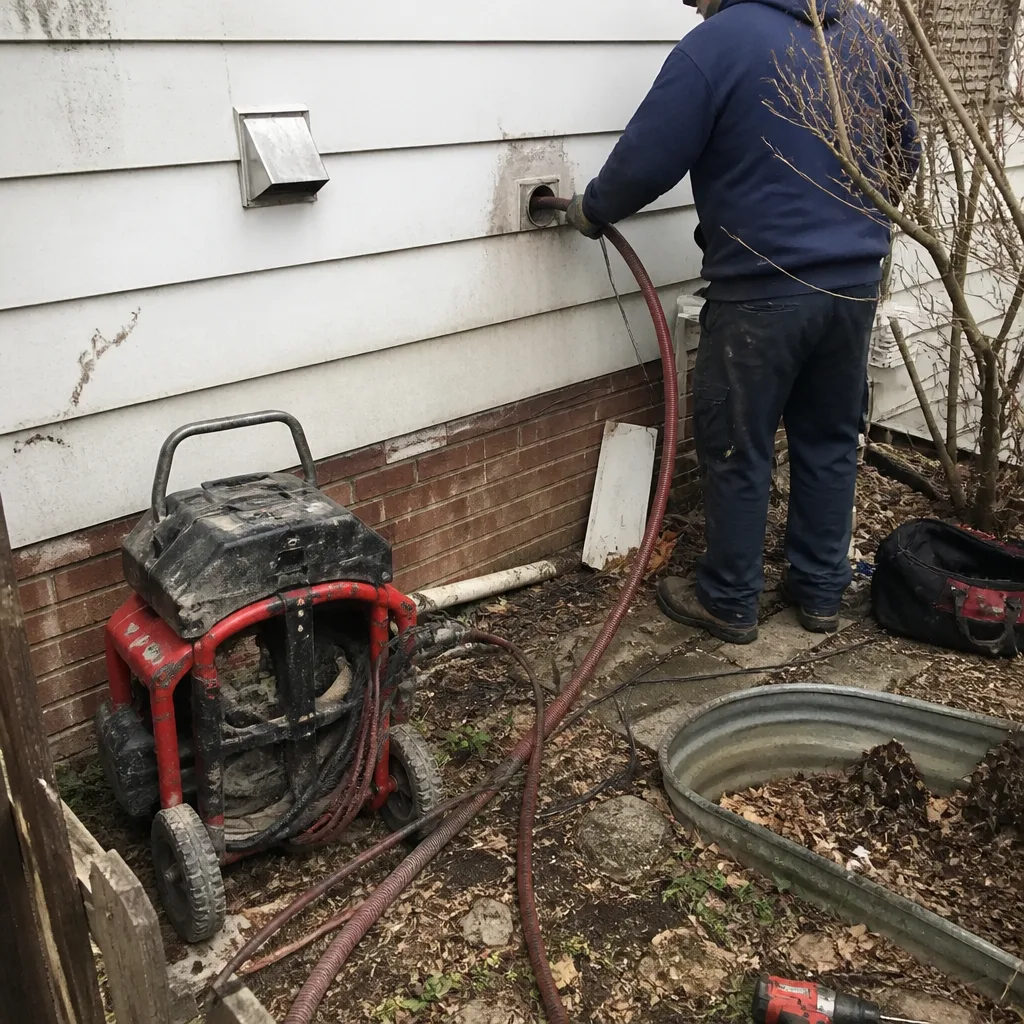 Before
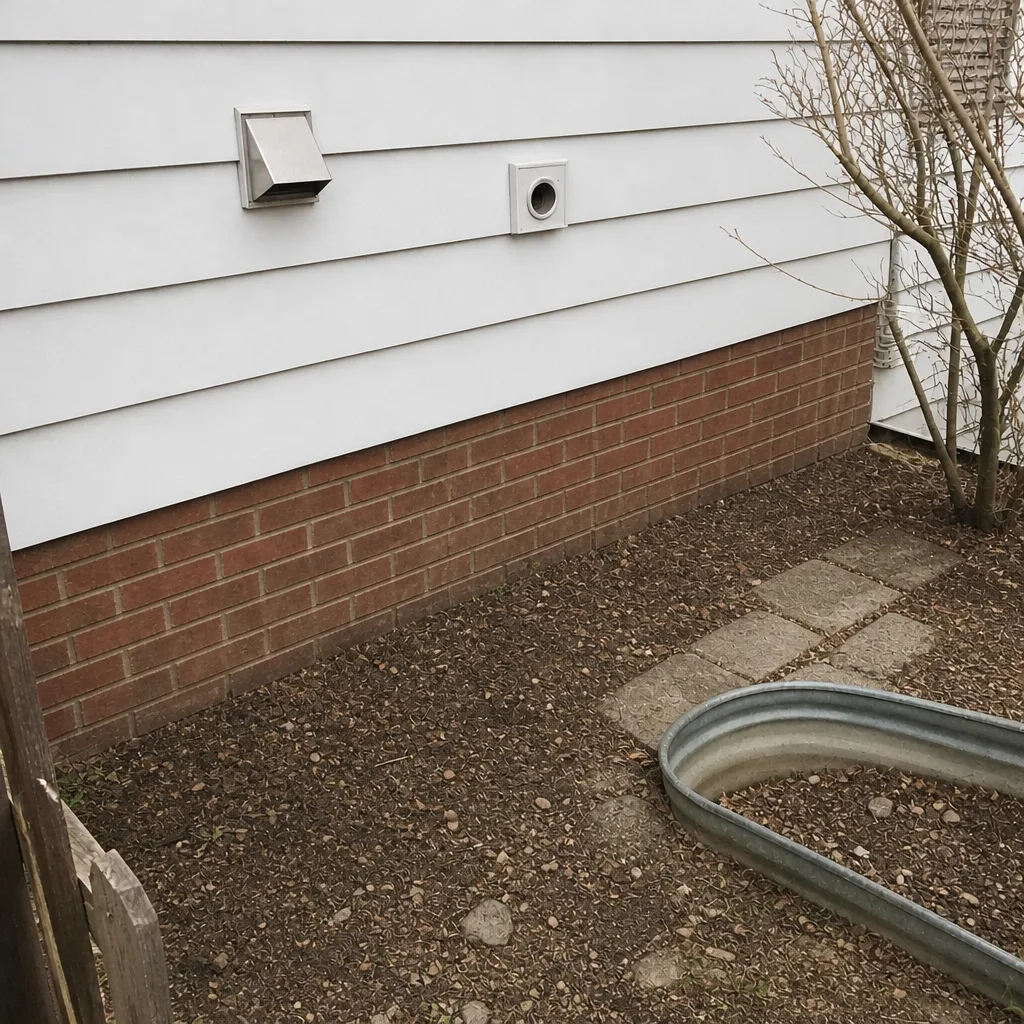 After
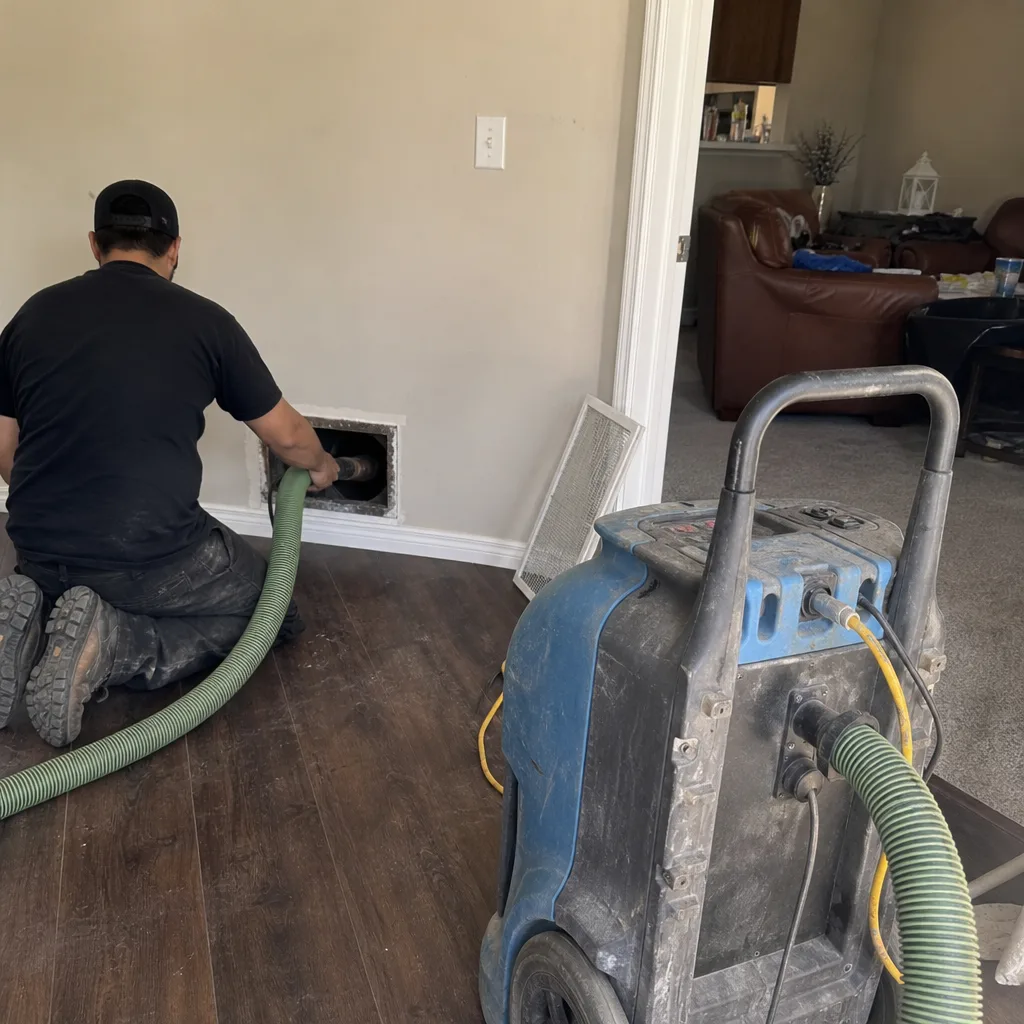 Before
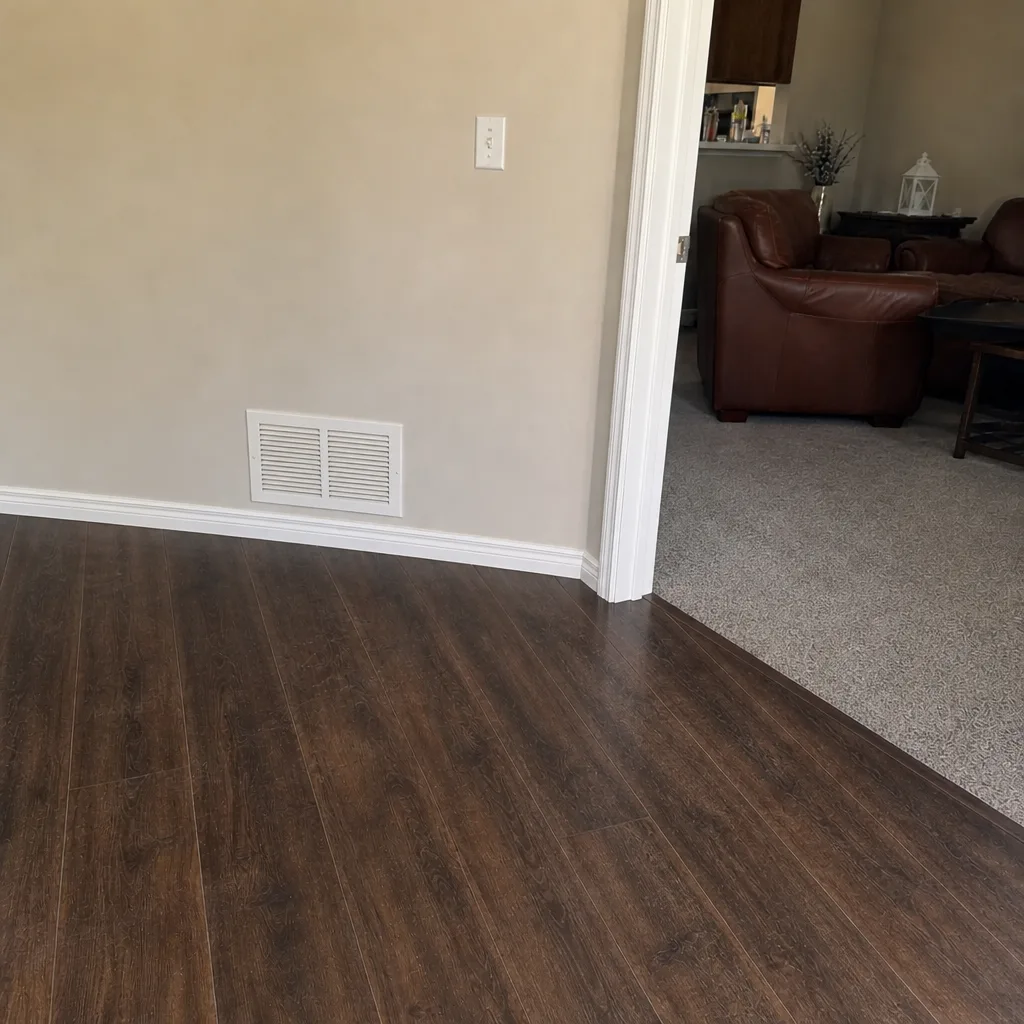 After
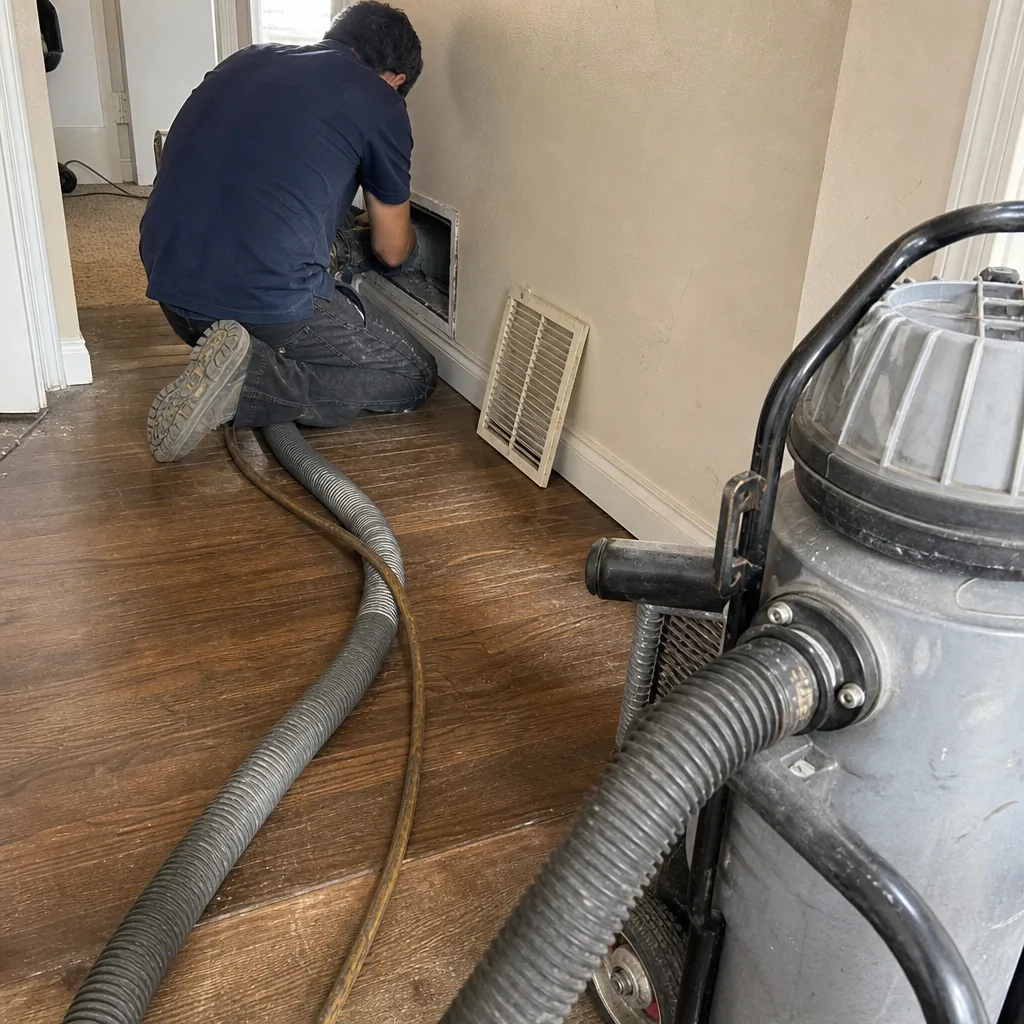 Before
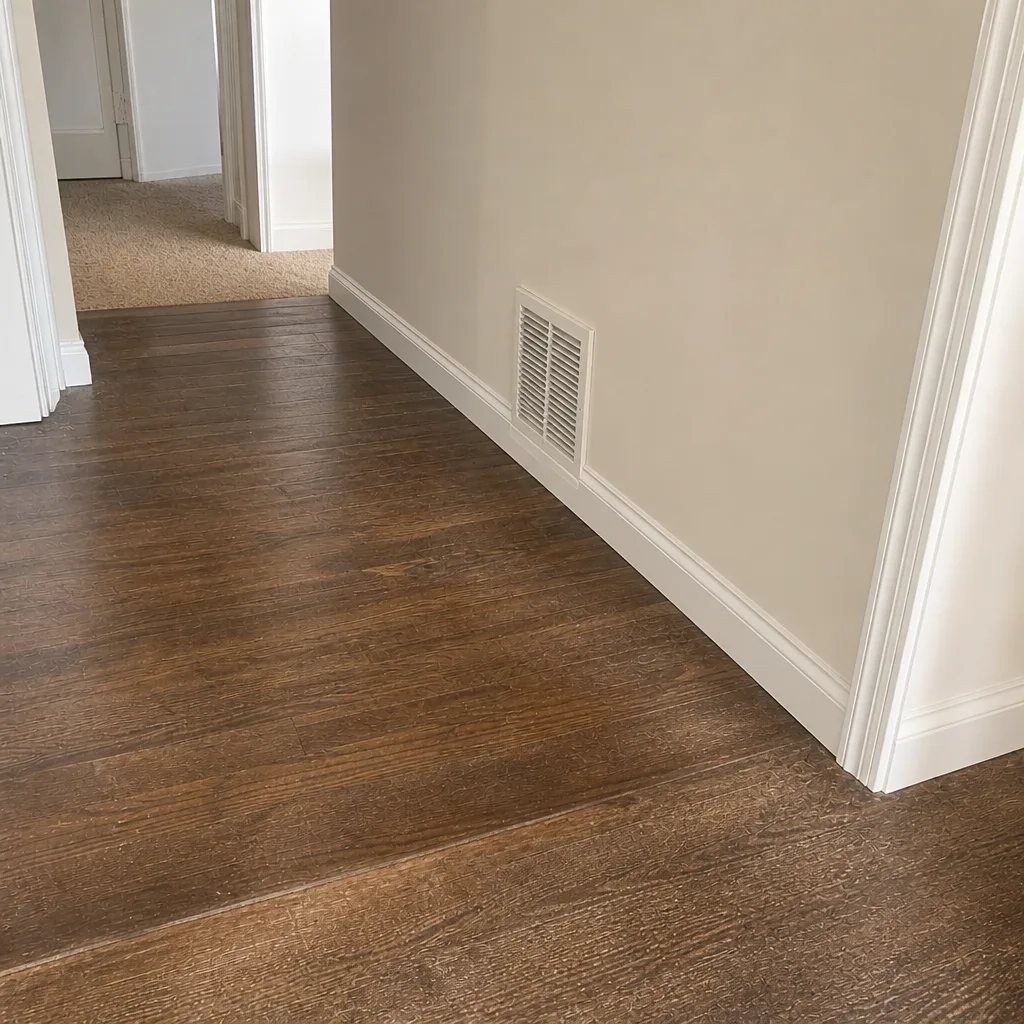 After
Frequently Asked Questions
There’s no fixed interval that applies to every home. The honest answer is that it depends on the same signals in this guide: whether you have pets, whether you’ve remodeled, whether your filter loads up fast, and whether your return side shows debris. Many Broomfield homes do well on a multi-year cycle; homes in newer developments or with strong allergy symptoms often benefit from a one-time deep clean in the first year or two. If your warning signs keep returning within weeks, you shouldn’t be on a schedule at all. You should be getting a diagnosis first. Call (866) 947-8482 for a free estimate, and we’ll tell you which category you’re in.
Usually because the quoted job is narrower than the job you actually need. Cheaper quotes tend to be supply-vent-only passes with no HEPA vacuum at the containment point, no return-side work, and no inspection. What separates a reliable quote from a low one is equipment and containment. A professional-grade Rotobrush or Nikro setup with Abatement Technologies containment takes longer and costs more than a shop-vac pass, and it’s the difference between a clean that solves the problem and one that reintroduces it. Call (866) 947-8482 for a free estimate with the scope spelled out before you commit.
A proper cleaning leaves evidence: before-and-after photos of your registers and return side, and a walkthrough of what was found. If a company shows up, runs a brush, and hands you a bill with no photos or documentation, that’s a warning sign in itself. Our teams document the condition found before work starts and again after, and we walk the findings through with you so you know what came out of the system and what it tells you about the source. Call (866) 947-8482 for a free estimate.
Yes, indirectly. Debris and restricted airflow make the blower run longer to deliver the same heating or cooling, and longer run time is more energy used. In homes where the restriction is significant, or where leaks are pulling in unconditioned air, the bill shows it. That’s why we check airflow patterns and duct integrity rather than just cleaning, because in a lot of Broomfield homes the real fix is a repair or a seal, not just a clean. Call (866) 947-8482 for a free estimate.
Safe in the sense that it won’t cause immediate harm, but continuing to run it is spreading whatever’s in the ductwork through the house, and it’s loading your filter faster. If what you’re seeing includes mold staining, pest evidence, or disconnected duct, running the system actively makes the problem worse. The right move is a free estimate and inspection before the system runs another weeks’ worth of cycles. Call (866) 947-8482.
No. Mold in a duct always starts with moisture, so cleaning the visible growth without finding the moisture source just resets the clock. Sometimes the moisture is a condensate issue, sometimes a bathroom exhaust ducting into the wrong space, sometimes a leak. Cleaning comes after the moisture issue is addressed, and that sequencing matters. If you see mold-like staining inside a supply run, call (866) 947-8482 for a free estimate and tell us what you’re seeing.
The Bottom Line
Most duct problems in Broomfield show up as proxies, not visible debris. Fast filter loading, dust that returns quickly to specific spots, uneven temperatures, musty smells at startup, and rising bills are your diagnostics. When you know which of these a symptom points to, you can tell the difference between a clean, a repair, a seal, or a moisture problem before you pay anyone. The equipment and containment are what separate a real cleaning from a resurfacing job, and the diagnosis is what separates a solved problem from a repeating appointment.
If your warning signs line up with more than one section in this guide, call us and we’ll help you sort them. The estimate is free, and we’ll be straight with you about whether you need a clean, a repair, or something else.
The team at Broomfield Air Duct Cleaning works with professional-grade Rotobrush and Nikro equipment and Aprilaire and Honeywell air-quality products, applying Abatement Technologies containment on every job. Call (866) 947-8482. We answer 24/7. Fast dispatch from 7am to 7pm, Sunday through Friday. Closed Saturday; if the problem can’t wait, a call outside dispatch hours is booked into the next opening, Sunday through Friday, 7am to 7pm.
Written by the team at Broomfield Air Duct Cleaning.