
Last updated November 25, 2026
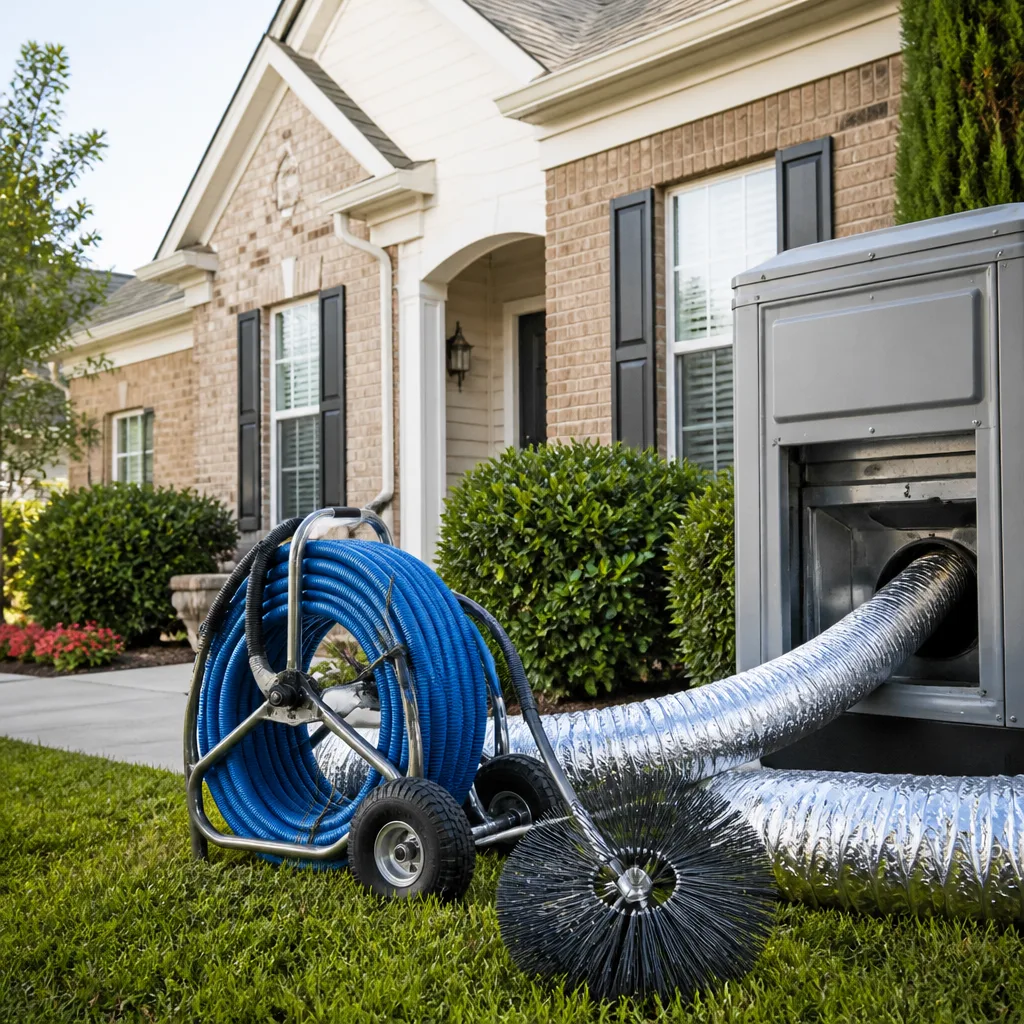 Whole-home duct cleaning
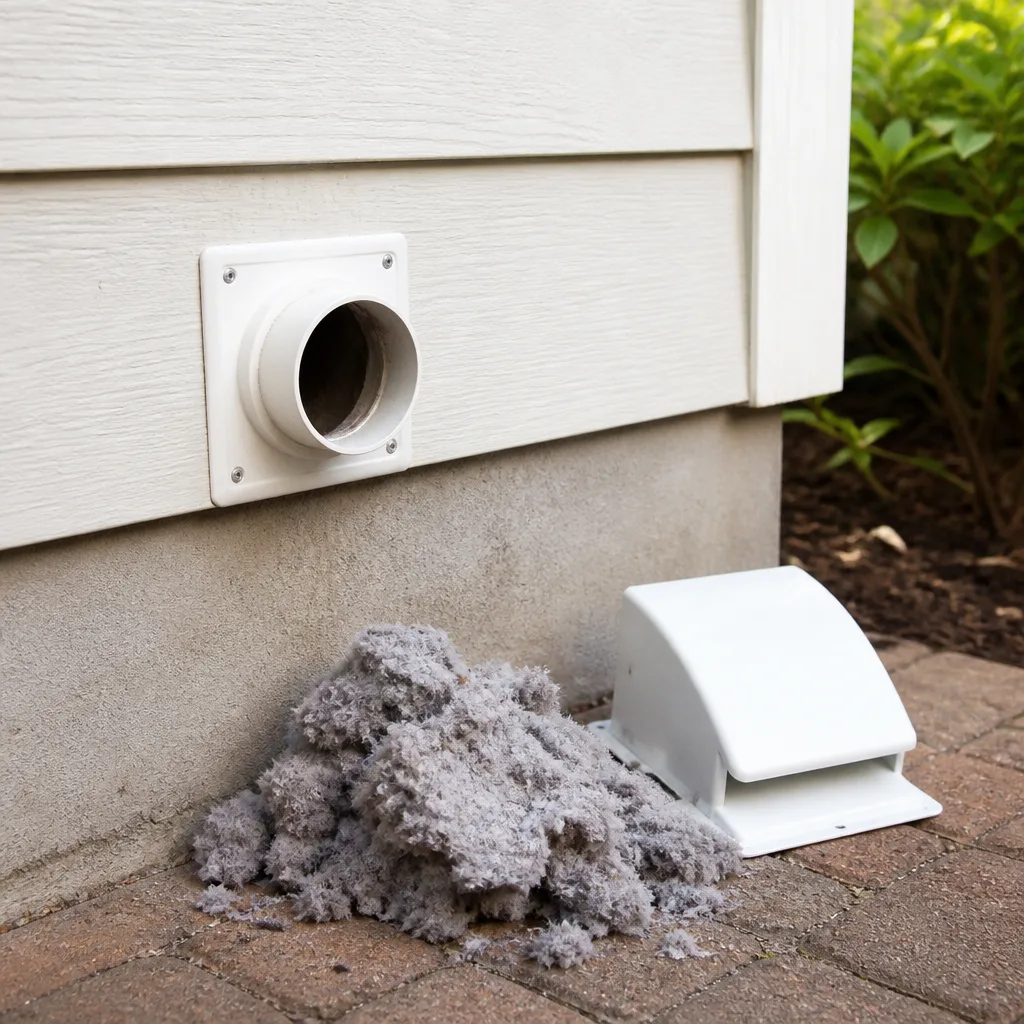 Dryer vent cleaning
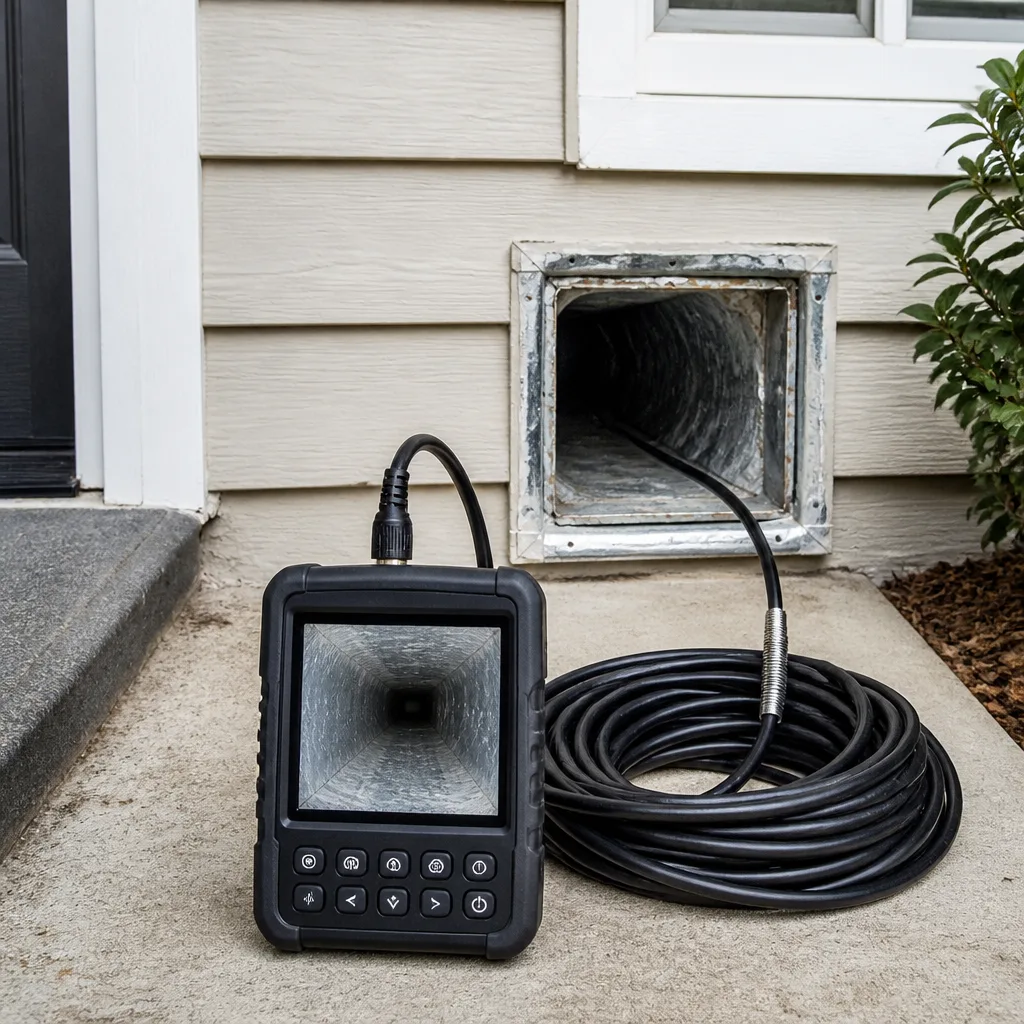 Camera inspection
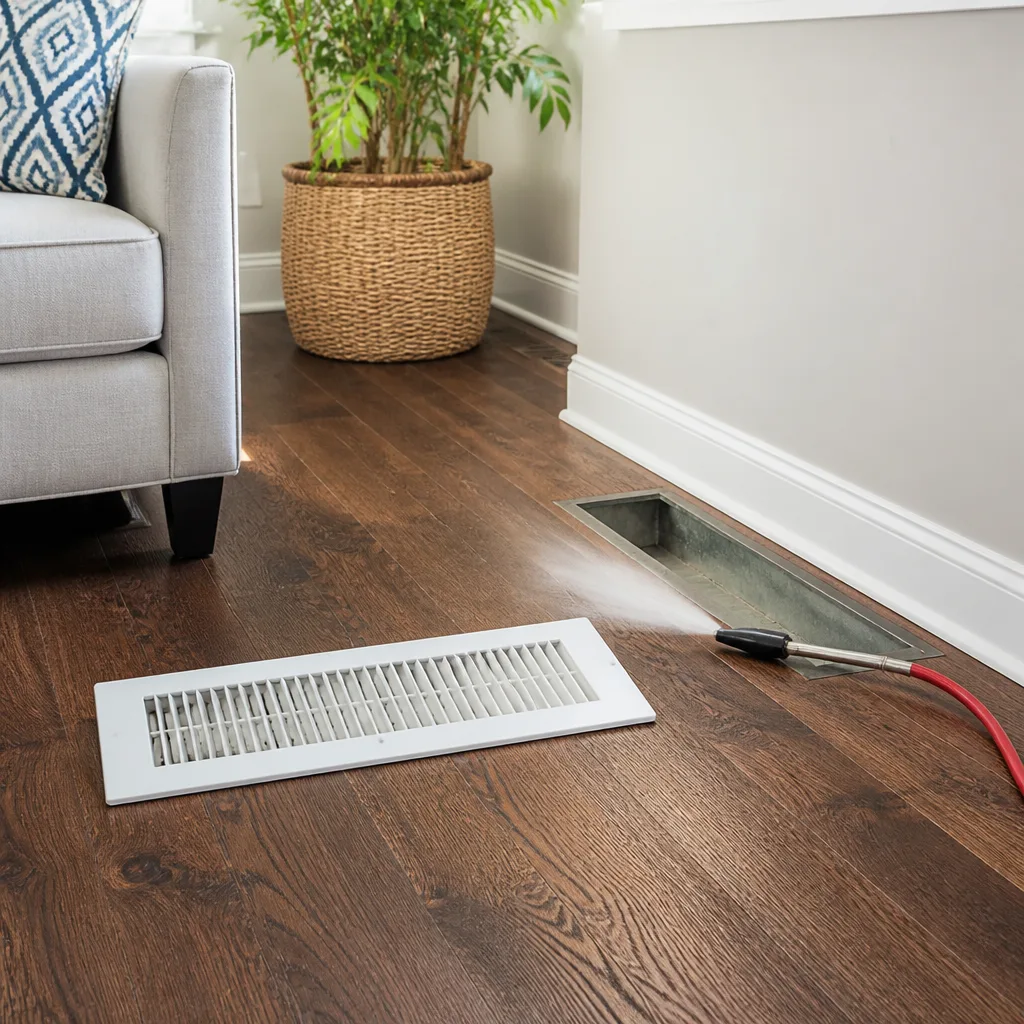 Sanitizing & deodorizing
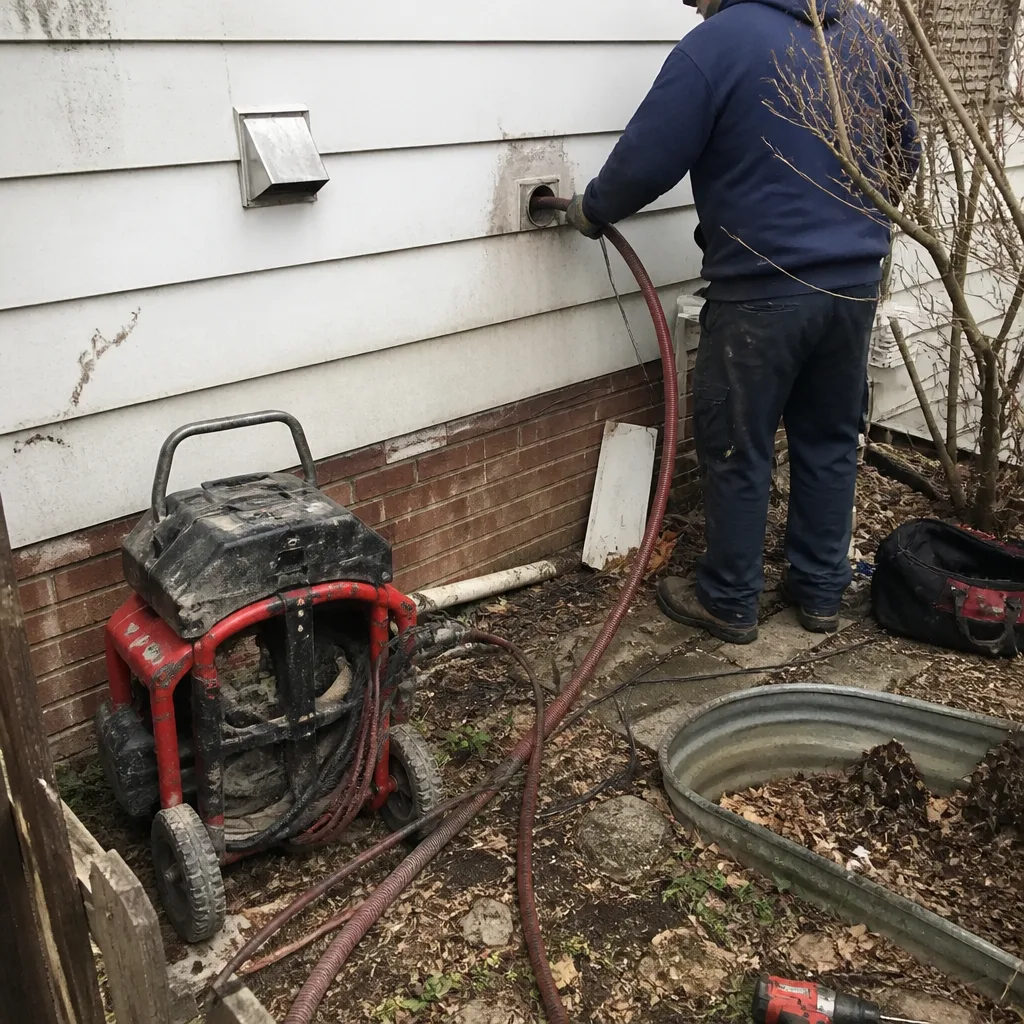
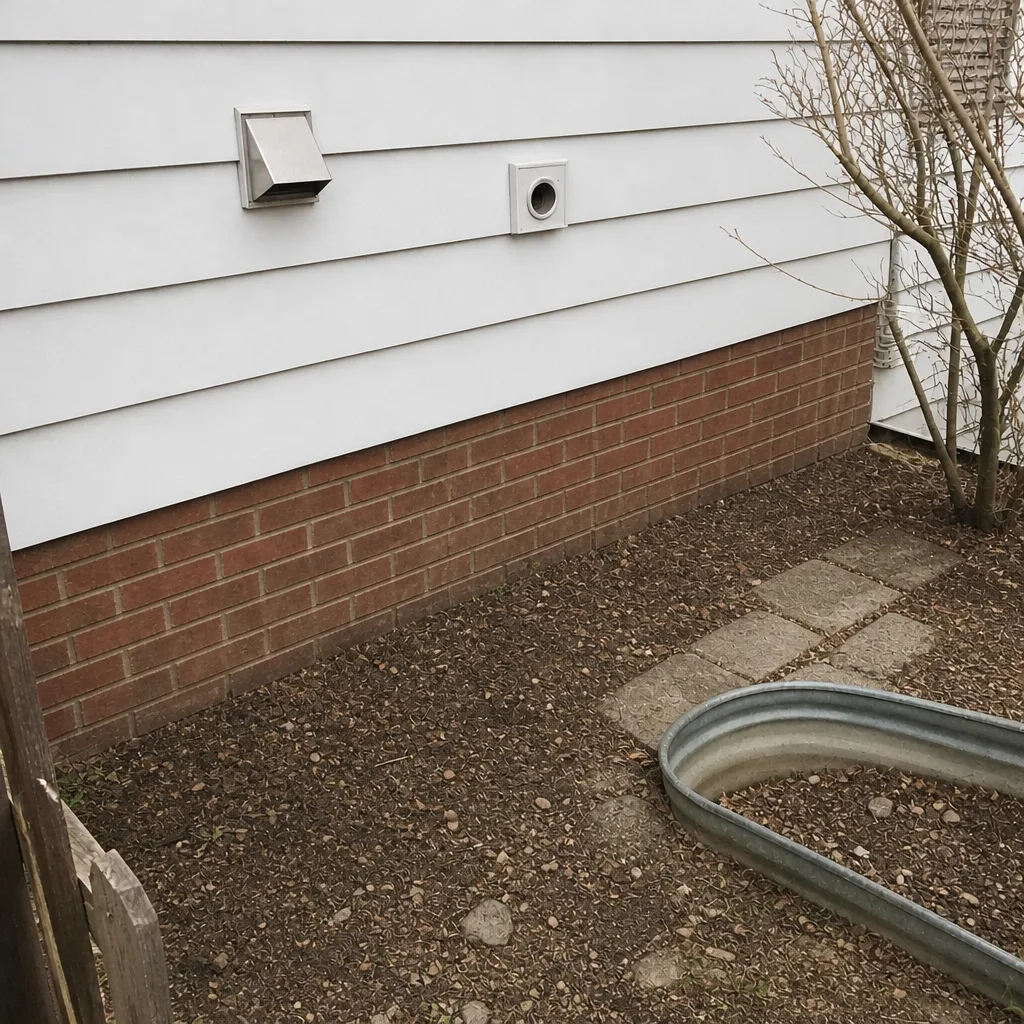
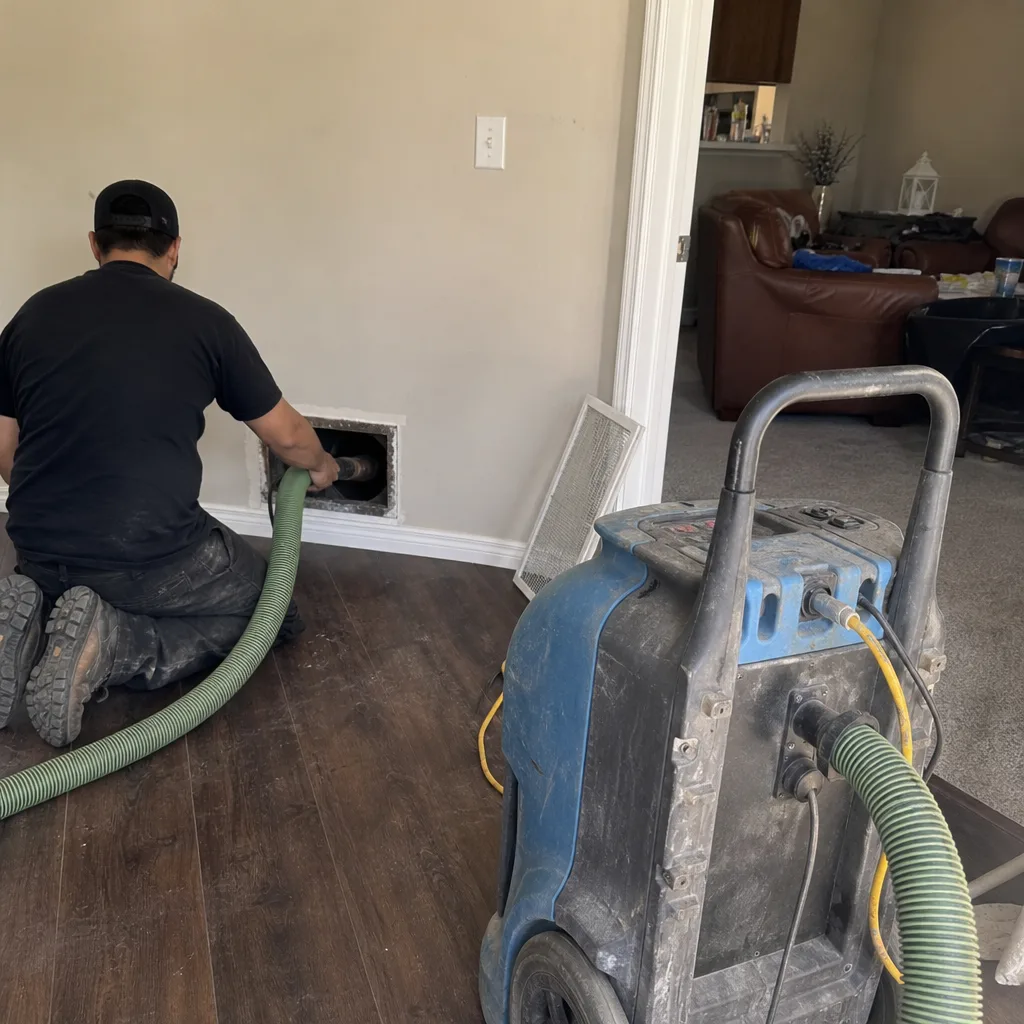
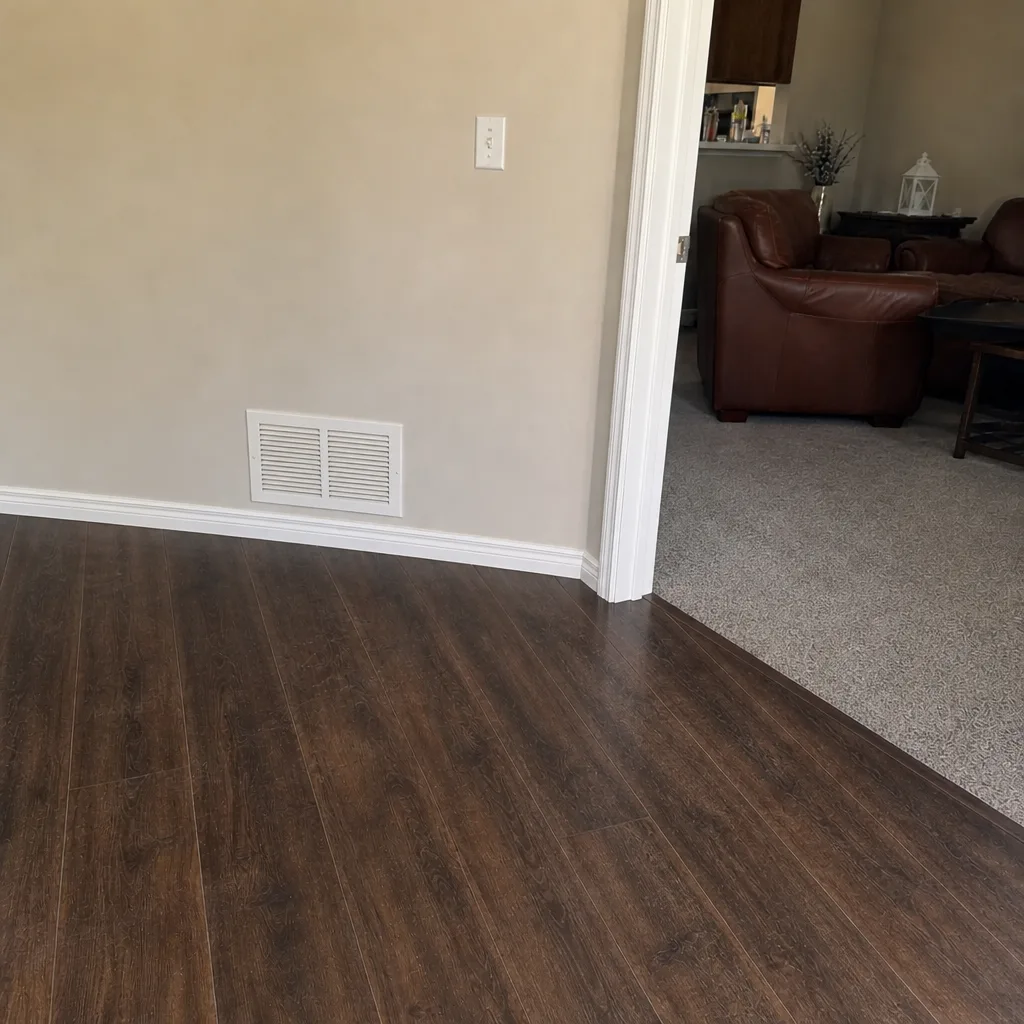
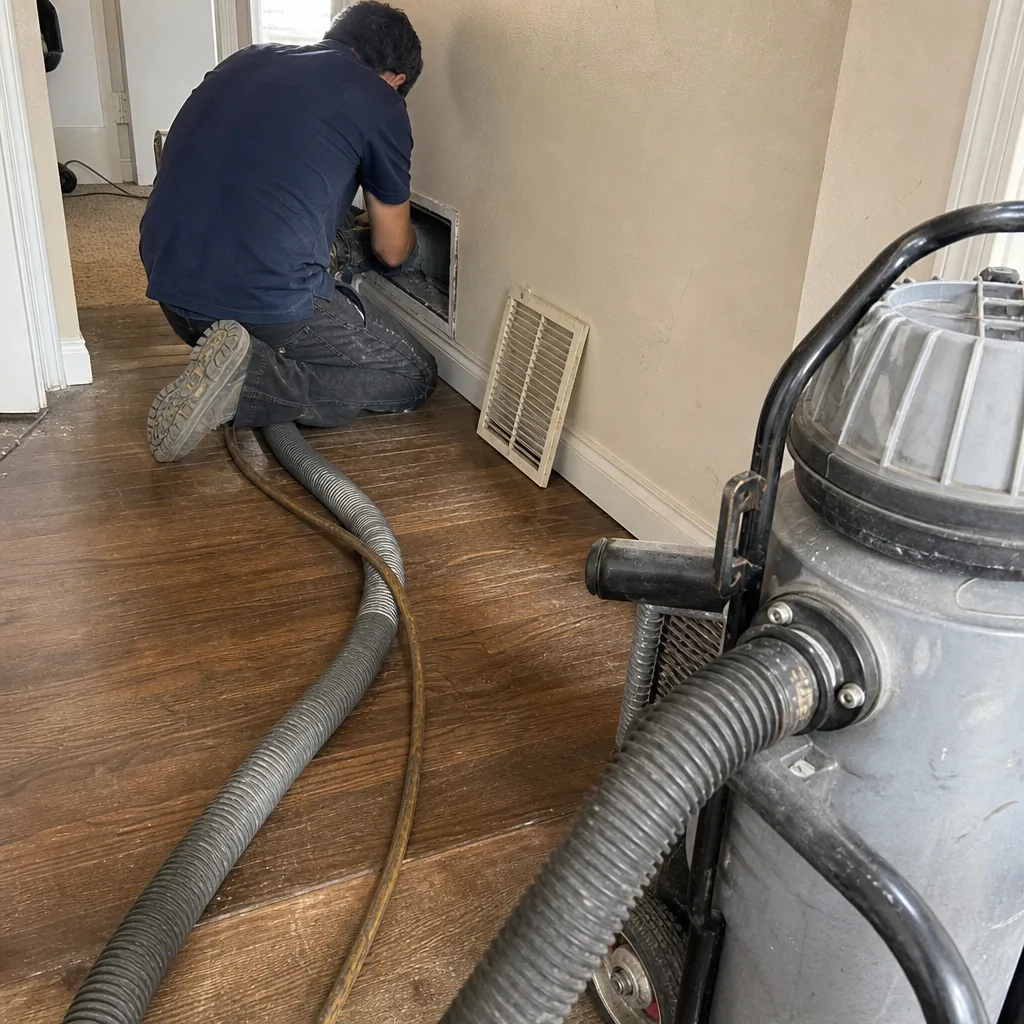
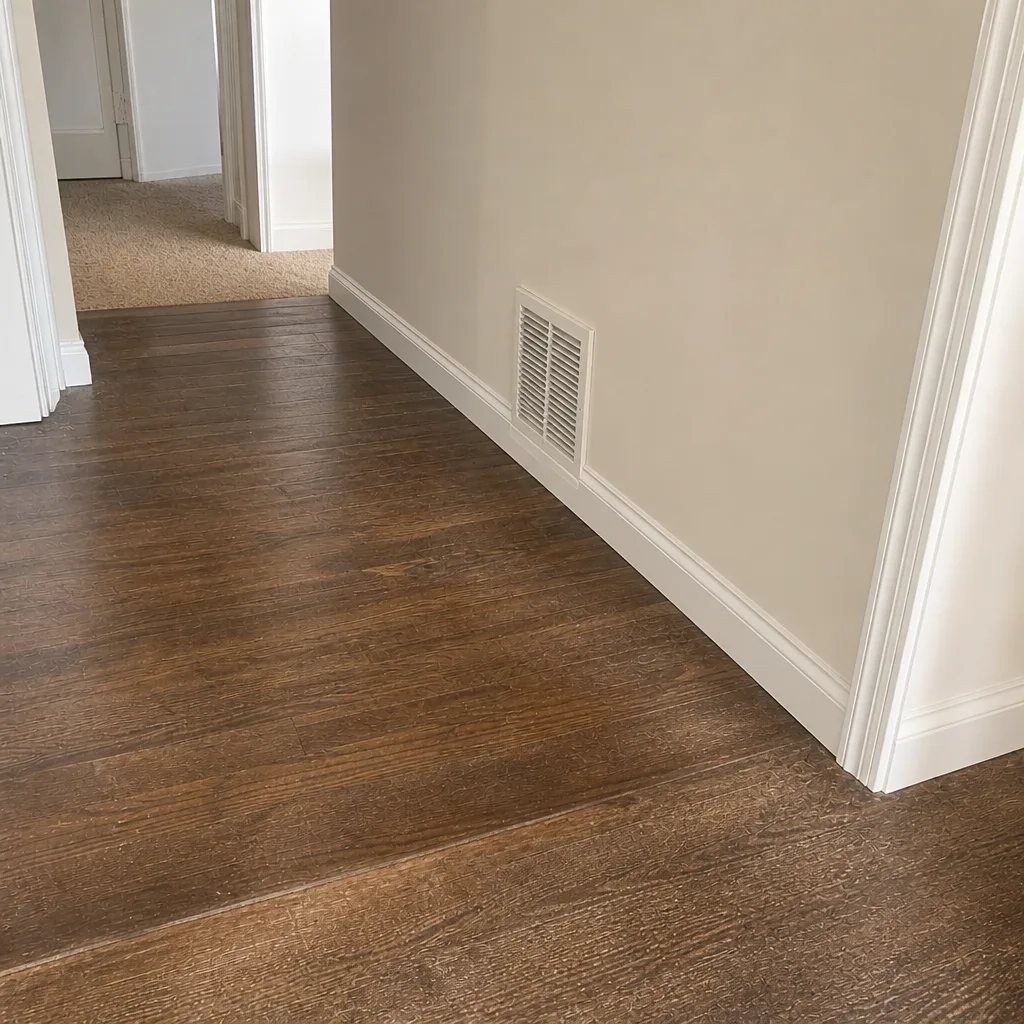
Whole-system duct and dryer vent check with before-and-after photos - you see exactly what came out of your vents
That "$99 whole-house special" is a bait ad - the real number appears once they are in your hallway, or the "clean" is a shop-vac at the register. We photograph the inside of your ducts before and after instead.
The Complete Guide to Air Duct Cleaning in Broomfield
Most homeowners picture air duct cleaning as a truck, a big hose, and an hour of suction at the vents. That picture is the problem. When a cleaning crew pulls debris out of the ducts but leaves the air handler, the evaporator coil, and the drain pan untouched, the system simply redistributes what it loosened the next time the blower kicks on. The EPA has documented this: cleaning only the ducts, without the air handler, coil, and drain pan, can send more contaminants back into the living space than it removes. That isn’t a scare tactic. It’s a systems problem, and it’s why a complete job in Broomfield touches six interconnected components, not one. This guide maps all six so you know exactly what thorough work looks like before anyone knocks on your door.
Quick Answer
A complete air duct cleaning in Broomfield covers six components: supply ducts, return ducts, the air handler, the evaporator coil, the drain pan, and the registers. Cleaning only the ducts and skipping the air handler and coil recontaminates the system within months, which is why the order and the containment method matter as much as the suction. Professional source-removal equipment and documented before-and-after airflow readings separate a real cleaning from a surface pass.
Styles & brands we work with
- Whole-home duct cleaning
- Dryer vent cleaning
- Camera inspection
- Sanitizing & deodorizing
Table of Contents
- Why Broomfield’s Climate Pushes Dust Accumulation Higher
- The Six System Components a Complete Cleaning Must Cover
- Negative-Pressure Source Removal vs. Contact-Vacuum Cleaning
- What Before-and-After Documentation Should Actually Show
- Red Flags That a Previous Cleaning Was Incomplete
- How a Thorough Cleaning Job Runs, Start to Finish
- Duct Repair and Sealing: Fixing What the Cleaning Finds
- Common Mistakes to Avoid
- When to Call a Professional
- Frequently Asked Questions
Why Broomfield’s Climate Pushes Dust Accumulation Higher
Broomfield sits on the Front Range high plains, in a semi-arid climate that does very different things to a duct system than the humid, leafy East Coast conditions most duct-cleaning advice was written for. The air here is dry most of the year. Dry air carries fine particulate more easily, and it holds it longer. When the ground is dry and the wind picks up off the open plains west of the city, mineral dust, pollen, and construction particulate travel into the return side of a home’s HVAC system and settle in the ducts.
Two things make this worse in Broomfield specifically.
- Dry, dusty summers followed by closed-window winters. For much of the year, homes run with windows shut and the furnace or AC circulating the same air over and over. There’s no open-window reset to flush the fine dust out.
- Rapid residential build-out. New construction, grading, and roadwork kick up fine silica and gypsum dust. Homes near active development take in more of it through the returns than they would in a settled neighborhood.
What that means practically: fine particulate layers in Broomfield ducts faster than a national “every three to five years” average suggests. High-efficiency filters help, but a filter catches what reaches it – everything that settles in the return runs before the filter stays in the ducts. If you run the fan continuously, or you have pets, or someone in the house deals with allergies, your system is loading faster still. This is why we treat cleaning frequency as a judgment call rather than a calendar date. A home in Broomfield with a short return run and a good filter may be fine for years; a home next to ongoing construction may need it sooner.
The Six System Components a Complete Cleaning Must Cover
A complete cleaning addresses six components of the same loop. Skip any one and the other five get recontaminated. Here’s what each does and why leaving it out undoes the rest:
- Supply ducts. The branches that carry conditioned air from the air handler to each room. These are the ducts most people mean by “duct cleaning.” They need agitation and source removal, not just a vacuum pass.
- Return ducts. The trunk and branches that pull household air back to the air handler. Returns carry most of the settled dust load, yet they’re the section many quick jobs skip because they’re less visible.
- Air handler. The blower cabinet and blower wheel. A blower with a dust-caked wheel runs inefficiently and pushes dirty air back through the supply side. Cleaning the ducts but not the blower just puts a dirty fan at the head of a clean system.
- Evaporator coil. The cooling coil inside the air handler. Dust that sticks to a wet coil insulates it and reduces cooling efficiency. A coil loaded with debris is a component many duct-only cleanings never touch.
- Drain pan. The pan under the coil that catches condensate. It collects biological growth and standing debris, and it’s a common source of musty odor that comes back right after a duct-only cleaning.
- Registers and grilles. The face plates and boots where air enters each room. Debris collects at the register edges and the boot transitions, and if those aren’t cleaned, dust re-enters every branch the system serves.
In our experience, a job that stops at the supply ducts and registers looks complete when the technician leaves. Six weeks later the homeowner is asking why the furnace filter is loading up again. The answer is usually an untouched return trunk or a dirty blower wheel. That’s why HVAC cleaning belongs on the same visit as the duct work, not on a separate appointment months later.
Negative-Pressure Source Removal vs. Contact-Vacuum Cleaning
Two cleaning methods look similar and behave very differently. Contact-vacuum cleaning is what a shop-vac does: a vacuum head runs along the duct, contacts dust, and pulls it up. Negative-pressure source removal is different. A high-volume vacuum unit connects to the duct system at a strategic point and puts the whole system under continuous negative pressure, while compressed air and mechanical agitation loosen debris upstream. The loosened debris moves toward the vacuum rather than into the room.
Why this matters in a Broomfield home: fine Front Range dust doesn’t sit still. Any method that agitates duct walls without containing the loosened particulate simply moves it into the living space, where the return picks it back up. Negative pressure, paired with containment, prevents that.
Our approach uses professional-grade Rotobrush and Nikro equipment because both systems are built for source removal under controlled conditions, the same class of equipment commercial HVAC contractors use. On top of that, we apply Abatement Technologies containment protocols borrowed from remediation work, so loosened contaminants stay contained rather than getting dispersed. “Contained, not just disturbed” is the whole point. And we don’t tape off a room and drag debris through a finished space: surface and protection standards in the Guardsman style keep carpets and finished floors guarded while equipment runs.
What source removal actually looks like
- The vacuum unit ties into the duct system and negative pressure is verified before any agitation starts.
- Mechanical agitation breaks loose the settled dust and debris along the supply and return runs.
- Compressed air and specialized tools reach the transitions and boots where debris accumulates.
- Debris travels toward the negative-pressure point under containment, not up through the living space.
- The blower, coil, and drain pan are cleaned as part of the same run.
Contact-vacuum-only jobs skip steps one, four, and sometimes five. That’s the difference between a real cleaning and a surface pass.
What Before-and-After Documentation Should Actually Show
Photos of clean-looking registers don’t prove a system was cleaned. A professional documents the work with more than a photograph: before-and-after photographs of the inside of the supply and return runs, the blower wheel, the coil face, and the drain pan, plus airflow readings taken before and after. Those readings are the piece most homeowners don’t know to ask for, and they’re the piece that shows whether the cleaning made a measurable difference.
Airflow is the metric that matters. A duct run that reads restricted before cleaning and reads normal after is proof the debris was actually removed. A photo of a swept register is proof someone swept a register. If you’re comparing two quotes, ask what documentation the crew leaves behind. A thorough company will show you the inside of your own system, before and after, and show you the airflow numbers. You shouldn’t have to take anyone’s word for it.
Ask specifically for:
- Photographs of the supply and return interiors, taken before and after.
- Blower wheel and coil-face photos.
- Airflow readings from the key runs, before and after.
- A written note of anything found that needed repair: loose joints, disconnected boots, punctured flex, or a blocked run.
Documentation cuts both ways. It proves the job was done, and it gives the next technician a baseline. In Broomfield, where fine dust re-accumulates faster than in humid climates, a documented baseline makes your next cleaning decision far easier than guessing.
Red Flags That a Previous Cleaning Was Incomplete
A system doesn’t have to look dirty at the vents to be contaminated. Some of the clearest signs of an incomplete job are subtle. Watch for these:
- Debris at the register edges. If dust and fibers are visible where the register grille meets the boot, the register wasn’t cleaned properly, which usually means the branch behind it wasn’t either.
- Restricted airflow on one run. If a room feels weak on airflow compared with the rest of the house, one duct run may still be loaded or disconnected.
- Dusty smell returning quickly. A musty or dust-heavy odor that returns weeks after a cleaning usually points to an uncleaned air handler, coil, or drain pan.
- Filter loading fast. If you’re changing furnace filters noticeably more often since a “cleaning,” the return side was likely skipped.
- No access cut, no photos, no readings. A completed job involves opening the system at access points, agitating the runs, and documenting the result. If no access was made and no photos were taken, ask what was actually cleaned.
- Vague answers on the air handler. If the crew can’t tell you whether the blower, coil, and drain pan were part of the service, assume they weren’t.
Any one of these is a prompt to look deeper. Two or more usually mean the earlier job was duct-only, and the full system still needs the work.
How a Thorough Cleaning Job Runs, Start to Finish
Here’s the sequence a complete Broomfield air duct cleaning should follow, in order. It’s the order a professional system-treats: contain first, agitate under negative pressure, clean the air handler components, then confirm with readings.
- System assessment. Inspect the supply, return, air handler, and registers. Note any disconnected joints, damaged flex, or blocked runs before cleaning begins.
- Containment setup. Establish the negative-pressure connection and lay surface protection in the finished spaces the crew will work through.
- Supply and return cleaning. Agitate the runs under negative pressure, working from the branches toward the vacuum.
- Air handler and blower cleaning. Clean the blower wheel and cabinet.
- Coil and drain pan cleaning. Clean the evaporator coil face and the drain pan, which is a common source of musty odor.
- Register and boot cleaning. Clean the grilles and boots, then set the registers back correctly.
- Airflow verification. Take before-and-after readings, photograph the interior of the runs and components, and hand the documentation to the homeowner.
Steps four through seven are the ones a duct-only crew skips. Those are also the steps that prevent the rest of the work from being undone. One visit, full system, with the air handler and coil cleaned at the same time as the ducts: that’s the standard. We also handle dryer vent cleaning and air sanitizing service on the same visit, which spares you scheduling a second contractor for a separate system in the same home.
Duct Repair and Sealing: Fixing What the Cleaning Finds
Cleaning exposes leaks. Duct runs in Broomfield homes are typically a mix of rigid metal and flex, and flex duct at joints, boots, and transitions is where the failures show up: loose tape, disconnected collars, punctured lengths, and gaps at the boots. A leak in the return side pulls in attic or crawlspace air, and a leak in the supply side loses conditioned air into the structure. Either one means you paid to clean a system that leaks the air it just cleaned.
This is why we offer duct repair and sealing alongside the cleaning. If the inspection turns up a leak, a disconnected boot, or a punctured run, we address it in the same visit rather than sending the homeowner out to find another contractor, wait for another appointment, and hope the two jobs line up. Fixing the leak closes the recontamination path at its source, which is the only way the cleaning holds. If you’re weighing air duct cleaning against sealing and you’re not sure which you need, that’s exactly the kind of question the inspection answers before anything gets cleaned.
We also work with Aprilaire and Honeywell air-quality products. That means when the inspection shows a filter, humidifier, or air-cleaner upgrade would help the system hold its cleaning longer, the same visit can include it instead of a separate install appointment. Clean the system, not just the vents, and fix what you find.
Common Mistakes to Avoid
- Booking a duct-only cleaning. If the air handler, coil, and drain pan aren’t in the scope, the ducts get recontaminated. Ask up front exactly what’s included.
- Accepting a by-the-vent count as the whole quote. A system isn’t a set of vents; it’s a loop. A quote that prices only the visible grilles tells you the return trunks and air handler may be out of scope.
- Taping off a room and calling it containment. Containment means negative pressure protecting the whole system, not plastic dust sheets on a doorway. Ask how the loosened debris is kept out of the living space.
- Skipping the airflow readings. Without before-and-after readings, there’s no way to confirm the debris actually left the system. Ask for the numbers.
- Cleaning only after a problem shows up. In Broomfield’s semi-arid climate, fine dust builds in the returns first and often silently. Deciding when to clean should be based on inspection, not on how bad the vent looks.
- Letting a found leak wait for another appointment. A disconnected boot or punctured run found during cleaning should be repaired on the same visit, or the cleaning’s benefit leaks away.
- Assuming a musty smell means the ducts. A smell that returns quickly is often the coil or drain pan, the parts a duct-only job never touches.
When to Call a Professional
Call when you notice any of these: visible debris or dark buildup at the register edges, a room that runs noticeably weaker than the rest of the house, a musty or dust-heavy odor that returns within weeks, filters that load faster than they used to, or a recent renovation, move, or construction project near your home that pushed fine particulate through the returns. Broomfield’s semi-arid climate makes fine dust accumulation a recurring pattern rather than a one-time problem, so a system inspection is a reasonable starting point when you’re unsure. The estimate is free, and the written estimate sets the final price before any work begins. Broomfield Air Duct Cleaning offers free estimates in Broomfield. Call (866) 947-8482. We answer 24/7. Fast dispatch from 7am to 7pm, Sunday through Friday.
Frequently Asked Questions
There is no single answer, because price is set per job by a written estimate. The figure depends on the size of the system, how many supply and return runs it has, the condition of the air handler and coil, and whether repair or sealing is needed. Be skeptical of any offer built around a coupon figure or a per-vent price. Those teasers tend to grow once the technician is in the home, and they signal a duct-only scope. The honest way to price the job is a whole-system inspection, a written estimate, and one flat price agreed before work starts. Call (866) 947-8482 for an exact quote; estimates are free.
Because they’re not quoting the same job. A lower quote is often a duct-only pass with contact-vacuum equipment, without the air handler, coil, drain pan, or containment. That work looks inexpensive on paper and costs more in the end, because the uncleaned components recontaminate the ducts within months. Ask every company the same questions: is the air handler in scope, is the coil cleaned, is negative pressure used, are airflow readings taken, and what happens if a leak is found. Compare answers, not just numbers. Call (866) 947-8482 for an exact quote; estimates are free.
You should be shown it, with before-and-after photographs of the inside of your supply and return runs, the blower wheel, the coil, and the drain pan, plus airflow readings taken before and after. Those readings are the piece that proves the cleaning removed debris rather than just wiping visible grilles. Ask for the documentation before you book. Call (866) 947-8482 for an exact quote; estimates are free.
It depends on the system and the household, not a fixed calendar date. Broomfield’s semi-arid climate loads ducts with fine dust faster than humid climates do, and homes near active construction, homes with pets, and households running the fan continuously accelerate that. Rather than a strict interval, inspect and decide based on what the system shows. Call (866) 947-8482 for an exact quote; estimates are free.
We clean the full system: supply ducts, return ducts, air handler, evaporator coil, drain pan, and registers. Cleaning only the ducts is the shortcut that causes recontamination. Our Broomfield Air Duct Cleaning service treats the whole loop so the work holds. Call (866) 947-8482 for an exact quote; estimates are free.
Usually, yes: duct repair and sealing is part of what we do, so a disconnected boot, loose joint, or punctured run found during cleaning can often be corrected on the same visit rather than scheduled for another appointment later. That closes the recontamination path at the source. Call (866) 947-8482 for an exact quote; estimates are free.
The Bottom Line
Air duct cleaning is not a single component, a coupon, or a quick pass at the vents. It’s a six-component job: supply ducts, return ducts, air handler, evaporator coil, drain pan, and registers. Skip one and the rest recontaminate. In Broomfield’s semi-arid climate, fine dust accumulates faster than national averages suggest, so a documented inspection matters more than a calendar. Professional source-removal equipment, containment, before-and-after airflow readings, and repair on the spot are what separate a real cleaning from a surface pass. Know what thorough work looks like before anyone knocks on your door, and ask for the documentation.
Ready for a free estimate? Call Broomfield Air Duct Cleaning at (866) 947-8482. We answer 24/7. Fast dispatch from 7am to 7pm, Sunday through Friday. The local pro is licensed and insured as their state requires.
Written by the team at Broomfield Air Duct Cleaning.
See the difference
 Before
 After
 Before
 After
 Before
 After