
Last updated November 25, 2026
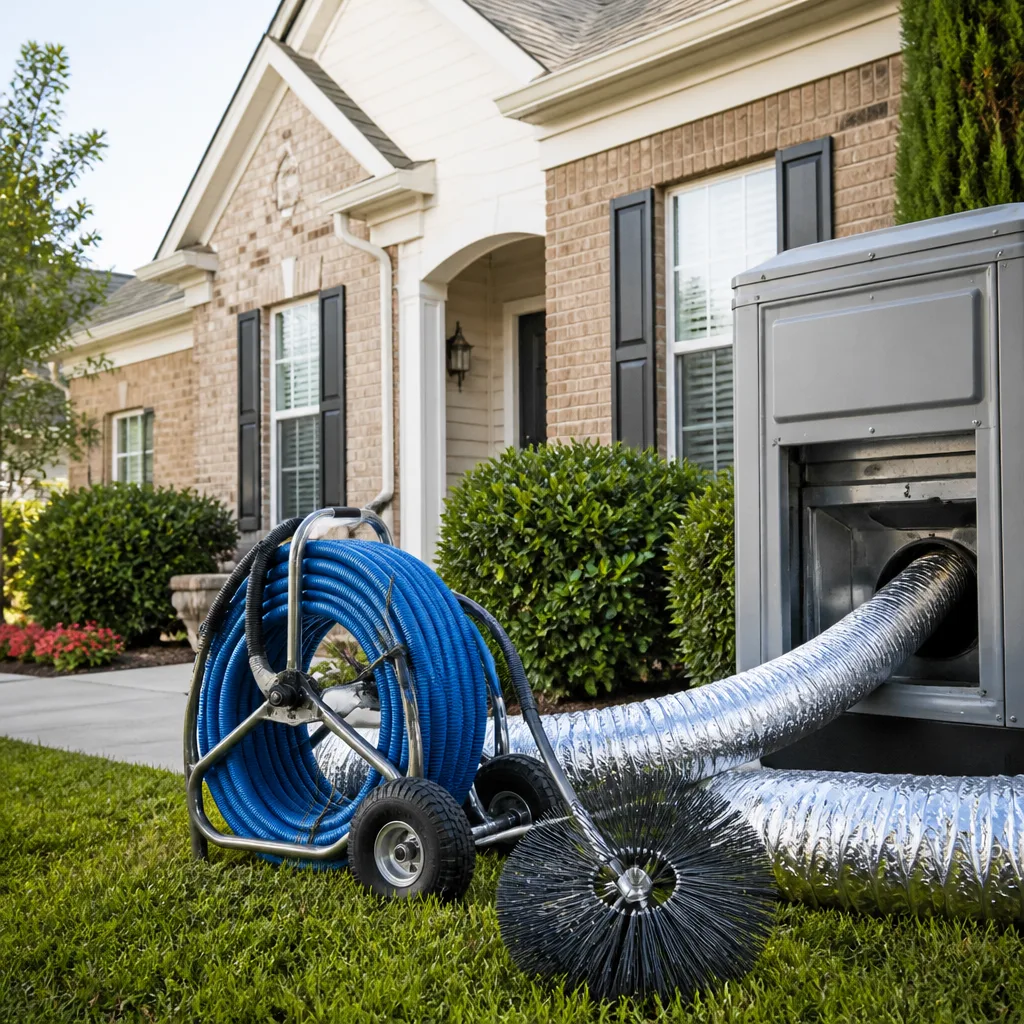 Whole-home duct cleaning
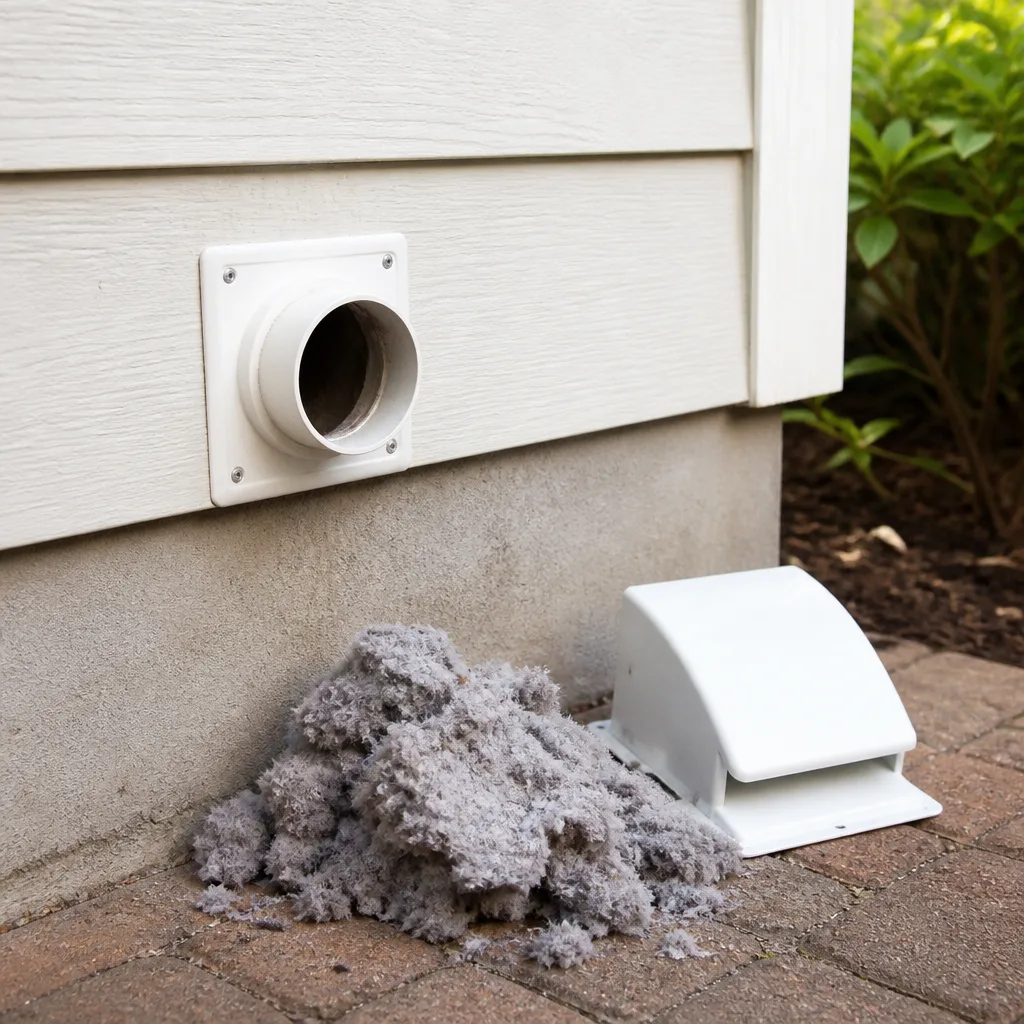 Dryer vent cleaning
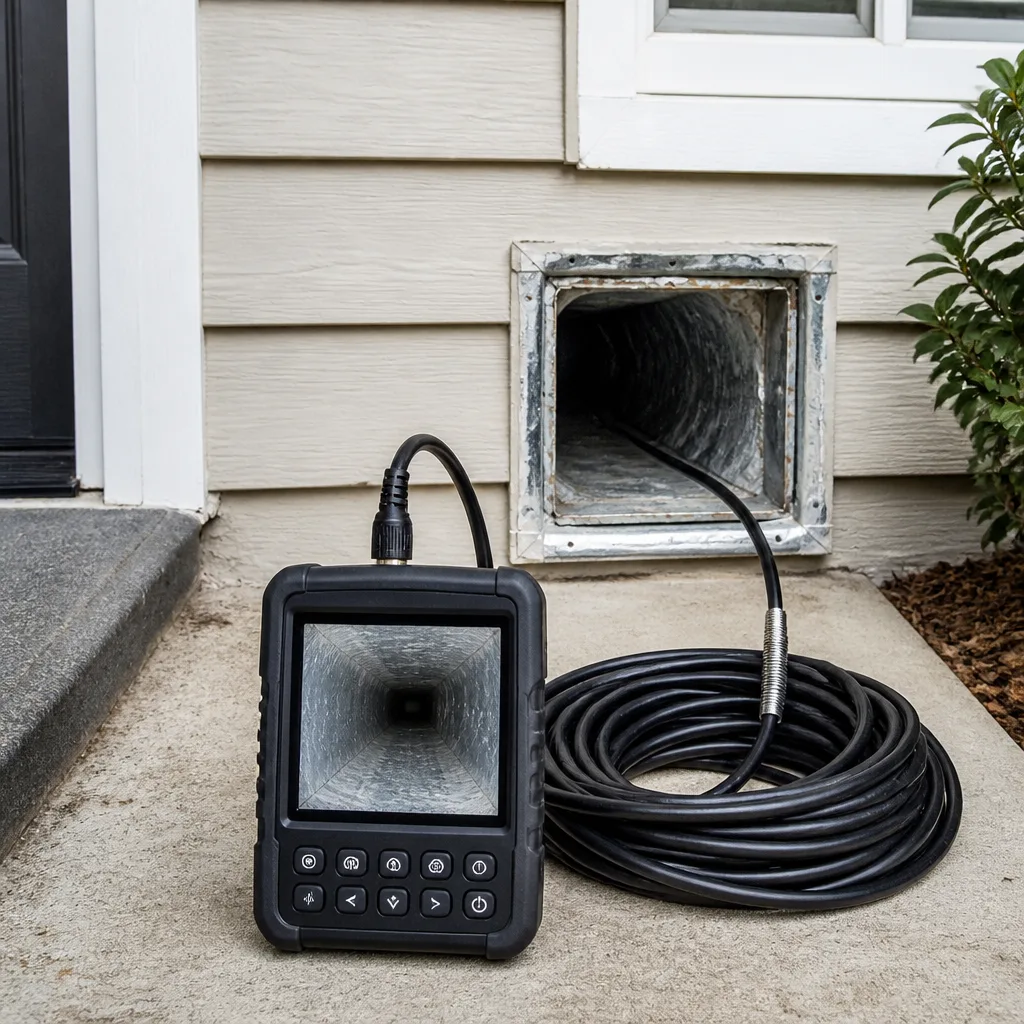 Camera inspection
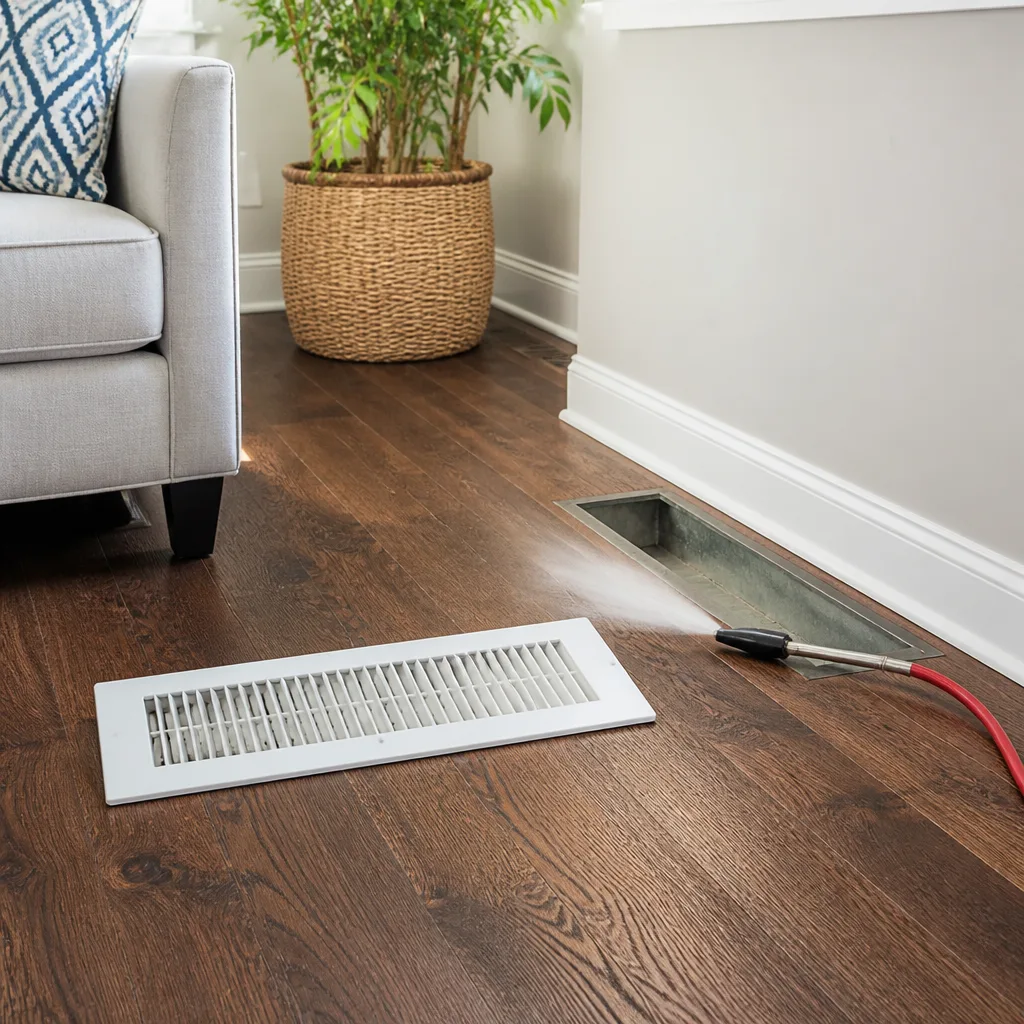 Sanitizing & deodorizing
Whole-system duct and dryer vent check with before-and-after photos - you see exactly what came out of your vents
That "$99 whole-house special" is a bait ad - the real number appears once they are in your hallway, or the "clean" is a shop-vac at the register. We photograph the inside of your ducts before and after instead.
How to Hire an Air Duct Cleaning Contractor in Broomfield: A Step-by-Step Guide
The most expensive duct cleaning job is the one you can’t verify was actually done. That sounds backwards, but it isn’t. Ductwork runs through walls, ceilings and crawlspaces, and once a technician packs up, the evidence of a thorough job or a half-finished one looks nearly identical from your living room. This is why air duct cleaning carries one of the highest complaint rates in the home service trades: not because the service is fake, but because a lot of companies advertise it with equipment that only blows dust loose instead of pulling it out. This guide gives Broomfield homeowners a practical vetting framework you can run on the phone, before anyone books a visit or walks through your door.
Quick Answer
Hire an air duct cleaning contractor in Broomfield by verifying three things before you book: that they use professional-grade extraction equipment with containment (not a shop vac or a leaf blower), that they follow NADCA’s ACR assessment and cleaning standards, and that they’ll provide a documented before-and-after report of your specific system. Ask for line-item pricing, a source-removal approach rather than a chemical fog, and a written scope. If a company can’t answer equipment questions clearly on the phone, that’s your answer.
Styles & brands we work with
- Whole-home duct cleaning
- Dryer vent cleaning
- Camera inspection
- Sanitizing & deodorizing
Table of Contents
- Why Duct Cleaning Needs More Verification Than Most Home Services
- The Three Equipment Questions That Disqualify a Contractor Immediately
- NADCA Membership and ACR Standards: The Baseline, Not the Premium
- How to Read a Duct Cleaning Quote: Line-Item vs. Flat Whole-House
- Broomfield-Specific Factors: New Construction, Wildfire Smoke, Altitude
- What a Legitimate Post-Service Report Should Contain
- What Should Happen on the Day of the Visit
- When to Call a Professional
Why Duct Cleaning Needs More Verification Than Most Home Services
Every other trade gives you something to look at. A plumber fixes a leak and the floor stays dry. A roofer replaces shingles and you can see them from the driveway. Duct cleaning happens inside a sealed system you’ll never see the inside of again. That invisible working surface is exactly what makes it easy for the wrong company to take your money.
The Federal Trade Commission and the EPA have both issued consumer warnings about duct cleaning advertising because the service has a documented history of misleading claims. The core issue isn’t the service itself. It’s that a lot of companies show up with equipment that can’t extract debris from duct walls. A machine that agitates dust without capturing it can actually make indoor air worse, because the loosened particles have to go somewhere. If there’s no containment and no high-powered extraction, they end up in the rooms you breathe in.
This matters more in a home than a commercial building, because residential duct systems are often tucked into tight chases, flex runs and return plenums that require specific tooling to reach. A “duct cleaning” that only vacuums the return grilles and leaves the trunk lines alone doesn’t clean the system, it cleans the vents.
Broomfield homes range from newer builds in Anthem and the Broadlands to older properties near Original Broomfield and Broomfield Heights, and each style of ductwork presents different challenges. If you’re comparing quotes and none of them mention your specific duct configuration, that’s a warning sign. The company should be able to talk about your system type, not just the price.
One more point: you don’t need to know how to clean ducts yourself to verify that a job was done properly. You need to know what questions to ask and what documentation to expect after service.
The Three Equipment Questions That Disqualify a Contractor Immediately
If you want a single filter for separating legitimate specialists from coupon operations, it’s the equipment conversation. Ask these questions when you call, before you book anything. The answers will tell you more than any review site.
Question 1: What cleaning system do you use?
A professional-grade system like Rotobrush or Nikro is built specifically for residential ductwork. It combines agitation with negative-pressure extraction, which loosens debris from duct walls and pulls it out of the system. If the answer is “a shop vac,” “a backpack vacuum,” or “our standard machine” with no brand name, that’s a disqualifier. Big-box rentals don’t belong in a duct system, and neither does a company that won’t name its equipment.
Question 2: How do you contain debris during cleaning?
Legitimate companies use containment equipment, often borrowed from remediation protocol, to keep loosened contaminants from recirculating into your living space. We use Abatement Technologies containment equipment for exactly this reason. If a contractor can’t describe how they prevent cross-contamination, that’s a disqualifier. “We’re careful” is not a protocol.
Question 3: Do you assess the system before cleaning?
NADCA’s ACR standard (Assessment, Cleaning, Restoration) requires that a contractor assess the system before beginning work. It also requires a cleaning plan specific to what they find. If the answer is “we just show up and clean everything,” you’ve found a company that treats your system like a generic target. That’s the disqualifier.
Write the answers down as you get them. Comparing them side by side makes the decision obvious. If you want a baseline for what professional-grade equipment looks like in practice, that’s what Broomfield Air Duct Cleaning is built around.
NADCA Membership and ACR Standards: The Baseline, Not the Premium
A common assumption is that NADCA membership (the National Air Duct Cleaners Association) is a nice-to-have upgrade, something premium companies advertise to charge more. That assumption is backwards. NADCA membership and adherence to the ACR standard are the industry baseline, not a differentiator. A company that isn’t a member and can’t reference ACR is operating outside the standard the rest of the industry uses.
The ACR standard has a documented sequence that any qualified contractor should be able to describe:
- Assess – The contractor inspects the system and documents conditions before touching anything. This is where they identify contamination level, leaks, disconnected runs and moisture issues.
- Clean – The system is cleaned using source-removal methods, meaning the contamination is physically extracted, not just disturbed or chemically neutralized. Containment and negative pressure prevent cross-contamination during the process.
- Restore – Any deficiencies found during assessment, such as leaks, disconnected joints, or damaged components, are addressed so the system performs as designed after cleaning.
The restore step is the one most companies skip. air duct cleaning without repair and sealing often means leaks and gaps are left in place, which allows re-contamination and energy loss from the moment the crew leaves. We fix what we find because the cleaning only holds if the system is sealed.
When you’re vetting a contractor, ask them to walk you through how they handle each ACR stage. A qualified company will; an unqualified one may just repeat the word “certified” without specifics. Credential is a starting point. The questions are the test.
How to Read a Duct Cleaning Quote: Line-Item vs. Flat Whole-House
Quote structure tells you what you’re actually buying. Not every flat-rate quote is bad, and not every line-item quote is thorough, but the pattern is consistent enough to use as a filter.
Flat whole-house pricing is simple to understand. One price, one visit, one job. The problem is that flat quotes tend to assume a standard system with a standard amount of cleaning. That means when a company finds 30 vents, extra returns, or a trunk line full of construction debris, they either pad the invoice or rush through it. Neither outcome helps you.
Line-item pricing breaks the scope into named work components, each with an associated cost. A well-built quote lists the number of vents and returns, whether the trunk and plenum are included, whether the HVAC coil and blower are part of the scope, and whether duct repair and sealing is quoted separately or bundled. That structure signals a company that has actually assessed your system, not one that priced it from a template.
A practical comparison checklist:
- Does the quote name the number of supply vents, return vents and trunk lines?
- Is the HVAC air handler and coil explicitly included or excluded?
- Is dryer vent cleaning quoted separately, included, or not mentioned?
- Is repair and sealing part of the scope, or is it “extra if needed”?
- Are the specific equipment brands named (Rotobrush, Nikro, containment systems)?
- Does the quote mention a post-service report or before-and-after documentation?
If a quote is missing four or more of those items, you’re not getting a picture of the job. You’re getting a price tag. The written estimate should set the final price, and any company that says “we’ll figure out the cost when we’re there” is telling you the price is going to change.
On the call itself, ask directly whether the scope includes duct repair and sealing or only cleaning. The answer matters, because on a full-system service like HVAC cleaning, sealing deficiencies is often the difference between a job that lasts and one that needs re-doing in a few years.
Broomfield-Specific Factors: New Construction, Wildfire Smoke, Altitude
A contractor who doesn’t ask questions about your Broomfield property hasn’t done this enough. Three local factors come up again and again, and each one changes what “proper cleaning” looks like.
New construction and remodels
Broomfield has seen sustained new-build activity, particularly in neighborhoods like Anthem, the Broadlands, and Interlocken. New construction leaves drywall dust, sawdust, caulk particles and construction debris in ductwork because the system is often used during the build to circulate air. A contractor who has cleaned new-construction ducts knows the trunk lines and return plenums typically need more attention than the individual vents, and knows that a construction-dust heavy system needs a different approach than a system with household dust. If a quote doesn’t ask whether the home is new, recently renovated, or has had a recent remodel, that’s a gap.
Wildfire smoke
Front Range wildfire smoke events are now a routine part of the seasonal air quality picture in Broomfield. Smoke particles are small enough to penetrate standard filters in heavy smoke periods, and they settle on duct surfaces where a standard cleaning doesn’t necessarily remove them. If you’ve been through a heavy smoke event, ask specifically how the contractor handles smoke-related contamination. The answer should reference source removal beyond vent vacuuming, and in some cases sanitizing as a separate step. A company that only handles “typical” household dust can’t tell you what to expect after smoke.
High-altitude HVAC performance
Broomfield sits at roughly a mile of elevation, and the air density difference matters for HVAC performance. Equipment works a little harder to move the same volume of air, and any duct leaks or restrictions cost more in efficiency terms than they would at sea level. That’s why the repair and sealing step isn’t optional here. Leaky ductwork at altitude means the system runs longer to meet the same thermostat setpoint. A knowledgeable contractor will mention the connection between duct sealing and HVAC efficiency without prompting.
A proper assessment for a Broomfield home covers all three where relevant. If yours doesn’t, you’re working with a company that treats every system the same.
What a Legitimate Post-Service Report Should Contain
Verification is the whole game in this trade. A post-service report is the contractor’s proof of what they did, and you should be able to hold it in your hand (or open it in your inbox) after the job. If a contractor can’t or won’t provide one, assume the work wasn’t documented, and unanswered questions will remain.
A legitimate post-service report typically includes:
- Before-and-after photos of accessible duct interiors, plenums and air handler components. Photos are the single most important verification item because they let you see the same location before and after.
- Scope summary listing the specific components cleaned (supply vents, returns, trunk lines, air handler, dryer vent if included).
- Findings noting any deficiencies identified during assessment, such as leaks, disconnected runs, damaged insulation or moisture issues.
- Corrections performed describing any duct repair and sealing completed during the visit.
- Recommendations for follow-up items, air-quality upgrades, or filter maintenance based on what was found.
Photos are the crux. A contractor using professional-grade equipment already has a camera or scope for the assessment step, so the images should cost nothing extra to produce. If they can’t produce them, it usually means either they didn’t do the assessment or they’re not set up to document their work. Either way, that’s a mismatch with the service you paid for.
The report is also useful for property managers, who often need documentation for insurance, resale or tenant records. Ask in advance whether the report format will work for that purpose.
What Should Happen on the Day of the Visit
Knowing what a professional visit looks like protects you from the surprise of a crew that shows up under-equipped. The pattern is consistent across qualified contractors.
- Walkthrough and assessment. The technician walks the home with you to locate all supply vents, returns and the air handler, and documents the current condition before any equipment comes inside.
- Protection of finished spaces. Floors and furniture near service areas are protected before work begins. That protection is part of the job, not an upsell.
- Containment setup. Negative pressure and containment barriers are established at the air handler and any open duct ends to prevent loosened debris from entering living spaces.
- Source removal cleaning. Each duct run is cleaned with an agitation and extraction system, working from the trunk lines outward or worst-contaminated to least, depending on system layout.
- Component cleaning. The air handler coil, blower and accessible plenum areas are cleaned if included in scope. These are the components that most affect the air you breathe.
- Repair and sealing. Any leaks, gaps or disconnected joints found during assessment are addressed. This step may run longer than the cleaning itself.
- Verification and documentation. Before-and-after photos are taken, and the report is prepared. The technician walks you through findings before packing up.
If a scheduled visit skips the assessment or the documentation step, that’s a legitimate reason to question the invoice. You paid for a system-clean, not a surface pass.
Common Mistakes to Avoid
- Booking on price alone. The cheapest quote is usually the cheapest equipment. A low price and an unnamed cleaning system almost always travel together, and the result is a job that has to be repeated. Ask what equipment is coming before you compare dollar amounts.
- Assuming a “vent cleaning” is the same thing. Cleaning the grilles you can see doesn’t reach the trunk lines, plenums or air handler. Make sure the quote uses the phrase “duct system” or names specific components, not just vent count.
- Falling for the fog. Some companies offer a chemical fog as a substitute for cleaning. A fog masks the smell; it doesn’t remove the source. That’s a red flag in a Broomfield home with wildfire smoke history, where the source is what matters.
- Skipping the assessment step. Any contractor who shows up with cleaning equipment and starts working without a documented assessment has no way to verify the result. NADCA’s ACR standard starts with assessment for a reason.
- Not asking about duct repair and sealing. A cleaning that leaves duct leaks in place is a job half-done, especially in Broomfield where altitude increases the cost of any restriction. Ask specifically whether the scope includes sealing.
- Ignoring the return plenum and air handler. Many low-price services clean supply vents and stop there. The return plenum and air handler are often where contamination concentrates most.
- Accepting no documentation. If there are no before-and-after photos, you have no way to know what happened inside your walls. Any answer other than “we’ll send photos” is a reason to look elsewhere.
When to Call a Professional
Duct cleaning isn’t a routine annual service for every home, but there are specific triggers where it makes clear sense. You should call a professional if:
- You’ve recently completed new construction or a major remodel, and drywall dust or construction debris is likely in the system.
- You’ve experienced a significant wildfire smoke event and your filters have had to be replaced more than once.
- You’re seeing visible dust around supply vents shortly after cleaning your home, or noticing musty odors when the HVAC turns on.
- Someone in the household has unexplained respiratory symptoms or allergies that seem tied to the HVAC cycle.
- Your energy bills have climbed without an obvious cause, which can indicate duct leaks pulling conditioned air into unconditioned spaces.
- You’re a property manager preparing a unit for a new tenant and need documented air-quality verification.
If you’re seeing two or more of those signals, the next step is a proper assessment. Broomfield Air Duct Cleaning offers free estimates in Broomfield: call (866) 947-8482. A qualified contractor will walk your system before recommending anything, and the estimate will tell you exactly what’s in scope.
Frequently Asked Questions
Air duct cleaning in Broomfield is priced per system, not per vent, and the written estimate sets the final price. Any quote you get should be based on the assessed condition of your specific ducts, the number of supply and return runs, and whether repair and sealing is included. Be wary of quotes that come in under a threshold typical of coupon pricing, because the equipment and containment needed for a legitimate clean rarely fit a teaser price. Call (866) 947-8482 for an exact quote based on your system: estimates are free.
Cheap quotes are usually cheap because the equipment is cheap. A company using a shop vac or a rented blower can undercut a specialist on price because it isn’t using extraction and containment equipment that costs more to operate. The result is a job that can stir up debris without removing it. If a quote is dramatically lower than the others, ask what equipment and containment the company uses before you compare dollars.
You know it was done when you have before-and-after photos of the interior of your ducts, a scope summary, and a written report of findings. A contractor using professional-grade equipment has the camera and scope for the assessment step, so documentation shouldn’t be extra. Ask for it up front and confirm you’ll receive the report after service.
Yes, ask for it. NADCA membership and adherence to the ACR standard (Assessment, Cleaning, Restoration) are the industry baseline, not a premium upgrade. Any contractor working without that framework is operating outside standard practice, and you’ll have no way to compare their work to the standard.
There’s no fixed timetable that fits every home. It depends on the system, the household, and local conditions. In Broomfield, a new construction home typically needs cleaning within the first year, and homes near wildfire smoke zones may need assessment after heavy smoke seasons regardless of the usual interval. For most properties without those triggers, cleaning on a multi-year cycle with filter maintenance in between is reasonable. Ask for an assessment first; the assessment will tell you if cleaning is actually needed.
Yes. Duct repair and sealing can be done as part of the same visit as the cleaning, because the assessment step brings the deficiencies to the surface. This is one of the practical advantages of hiring a specialist who does both. If your contractor only cleans and doesn’t repair, you’ll need a second company to handle sealing, and the cleaning won’t hold as well. Call (866) 947-8482 for a combined assessment and estimate.
The Bottom Line
Hiring a duct cleaning contractor in Broomfield comes down to verification. Ask about equipment brands (Rotobrush and Nikro on every legitimate job). Ask about containment, not just cleaning. Confirm NADCA and ACR adherence. Read the quote for line items, not a teaser price. Expect before-and-after photos and a written report. And when the assessment turns up duct leaks, hire a company that repairs and seals them in the same visit rather than walking past them. The final decision isn’t about a coupon or a review count; it’s about whether the contractor has the tools, the standards, and the willingness to document the work. If the answers check out, you’re hiring a specialist. If they don’t, you’re paying for a tour of your vents.
If you’d like to walk through your system with a specialist, call (866) 947-8482 for a free estimate. We answer 24/7. Fast dispatch from 7am to 7pm, Sunday through Friday.
Your dryer vent is a separate system and worth the same scrutiny. A blocked or lint-packed dryer vent is a known fire risk, and the same vetting questions apply. If you haven’t had yours inspected recently, dryer vent cleaning is worth booking alongside your assessment. Our technicians have up to 8 years of experience, and we use Aprilaire and Honeywell air-quality products on the same visit when a filter or fresh-air upgrade makes sense.
Written by the team at Broomfield Air Duct Cleaning.
See the difference
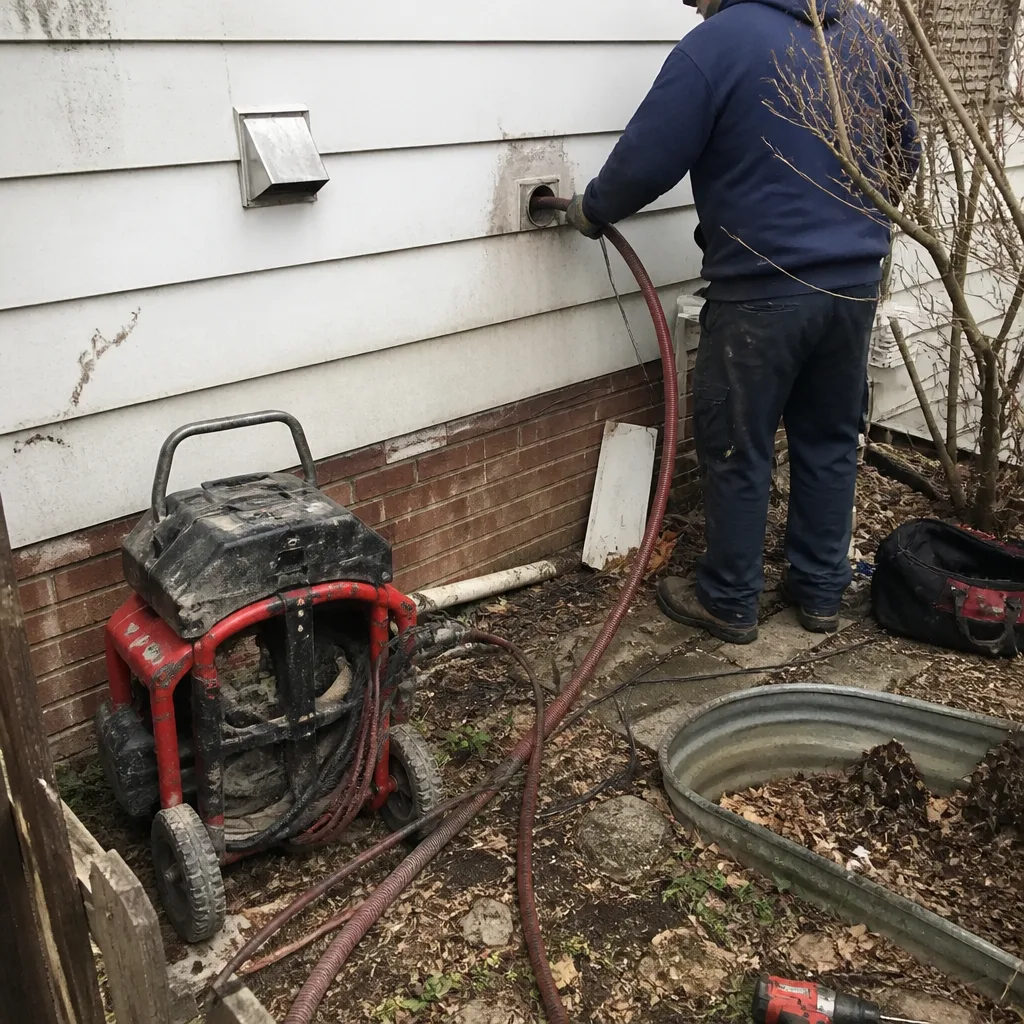 Before
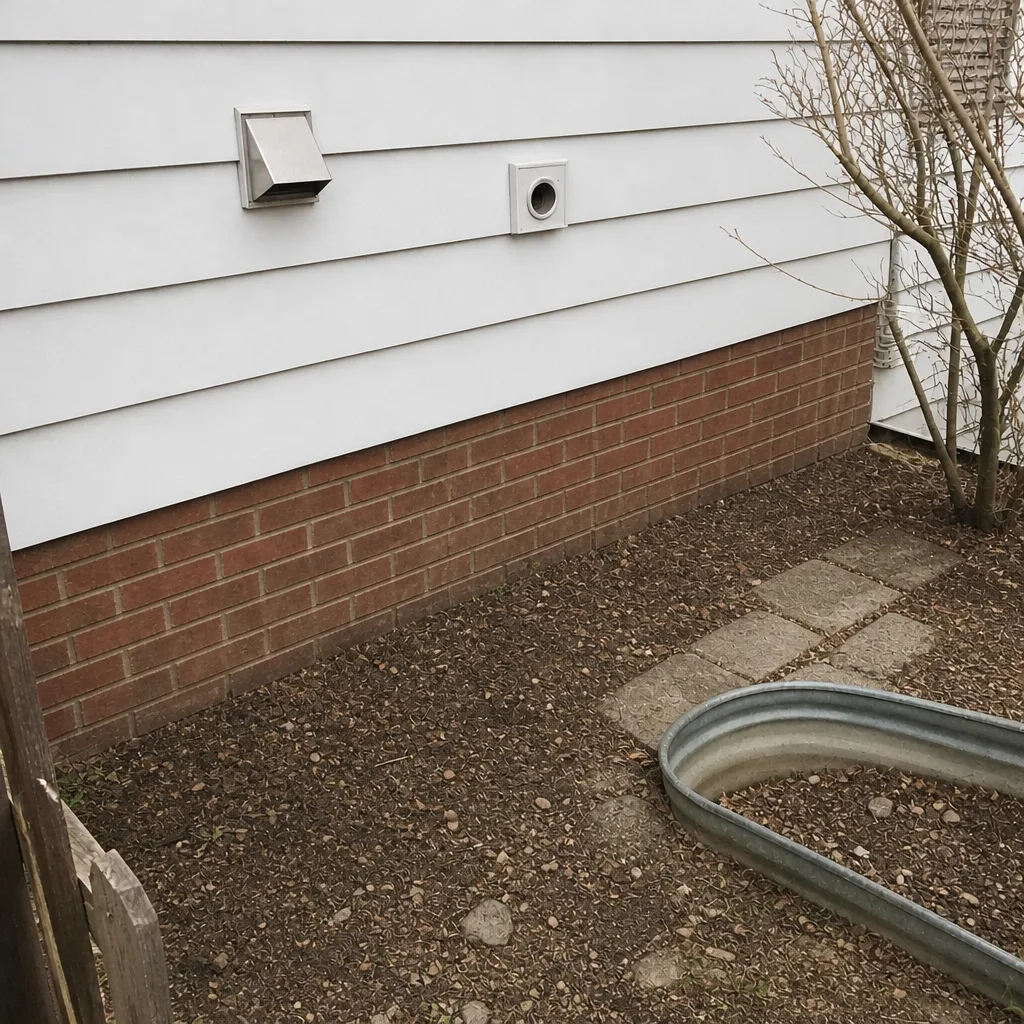 After
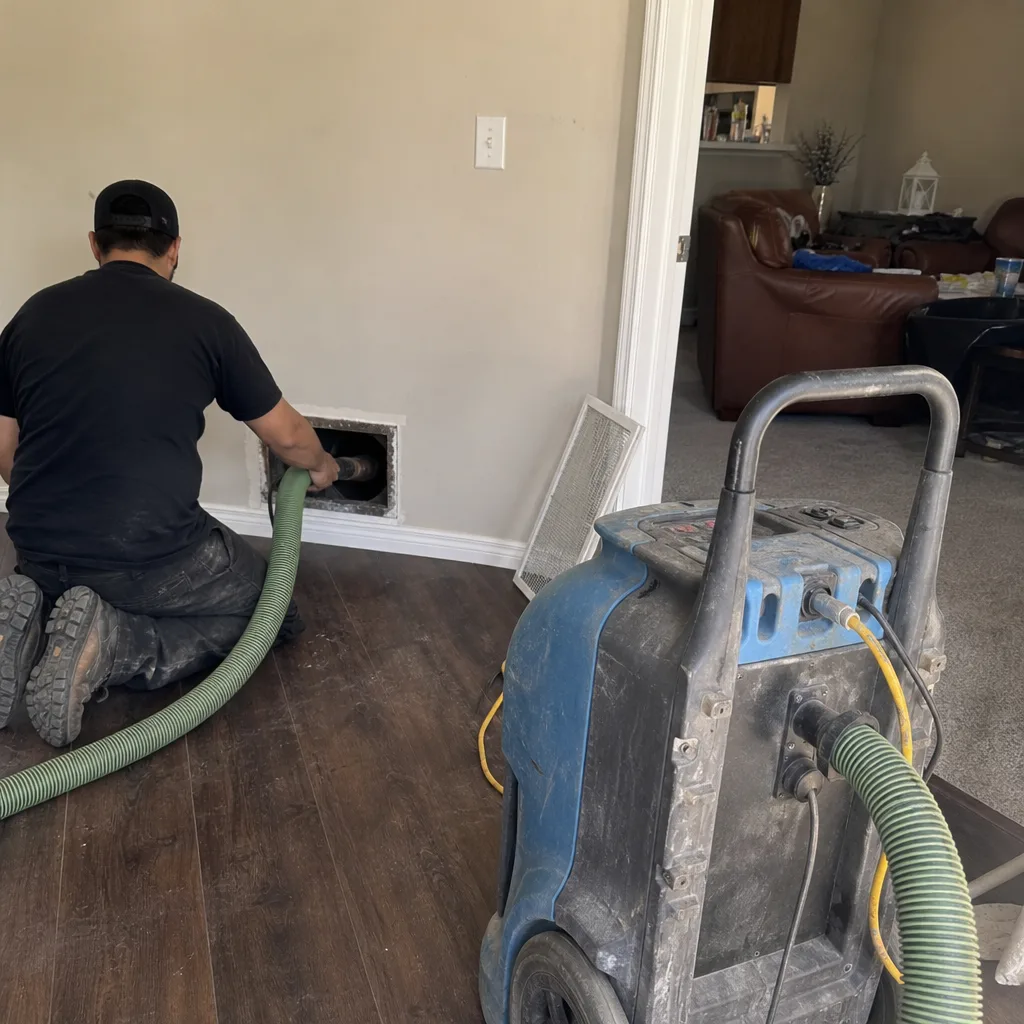 Before
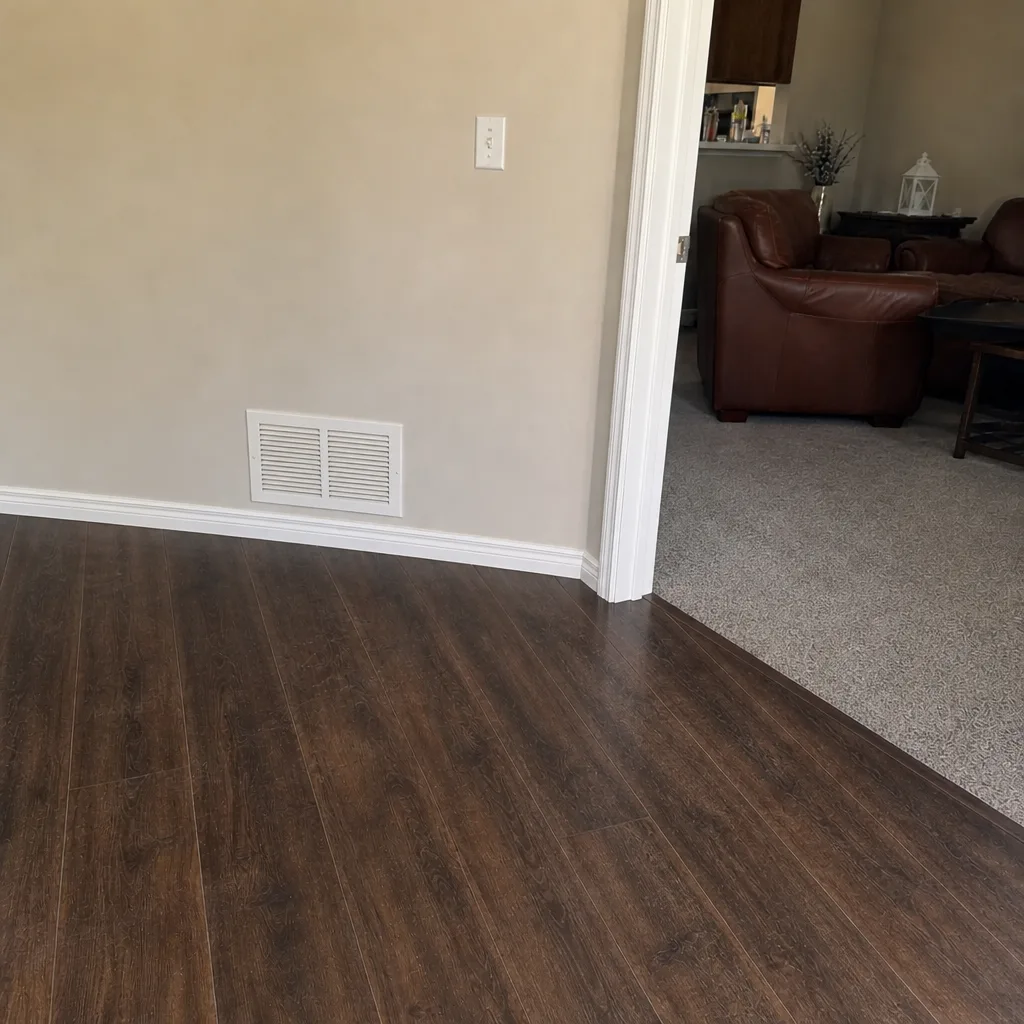 After
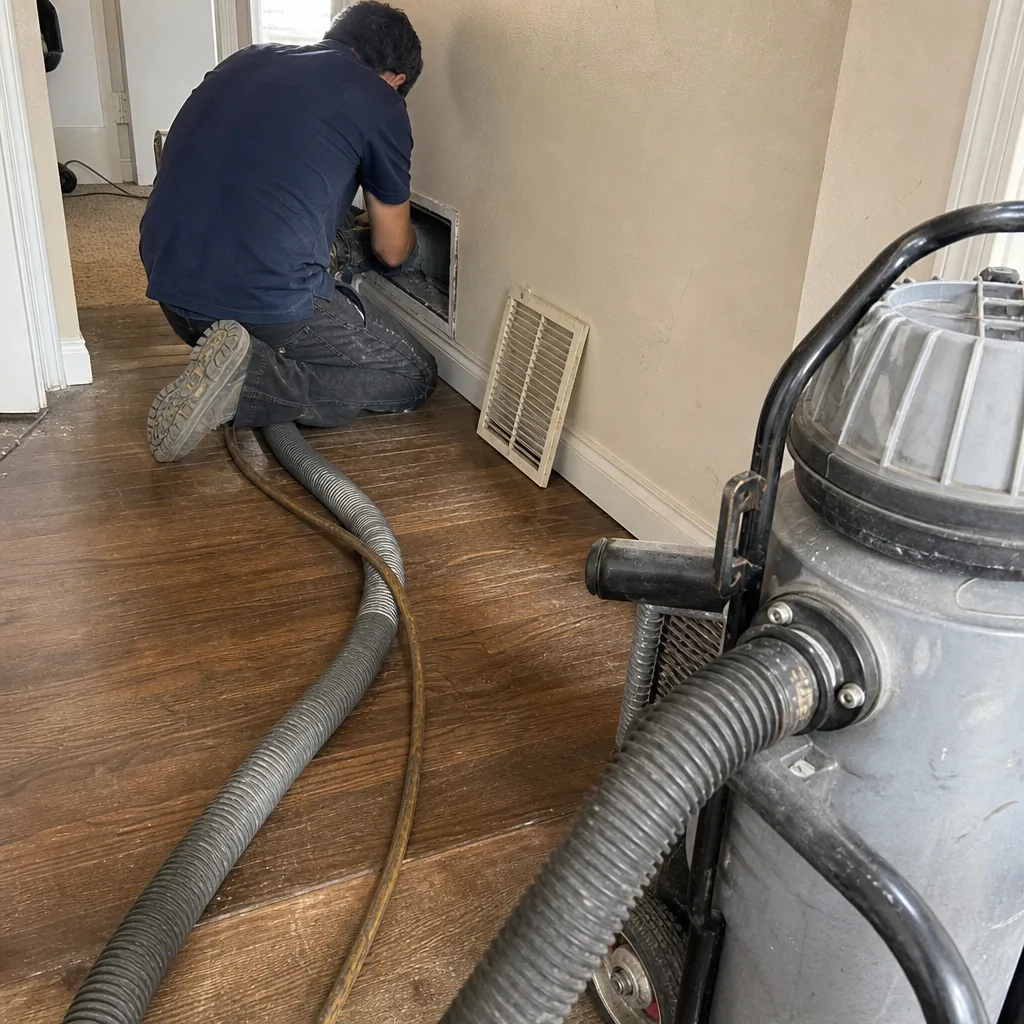 Before
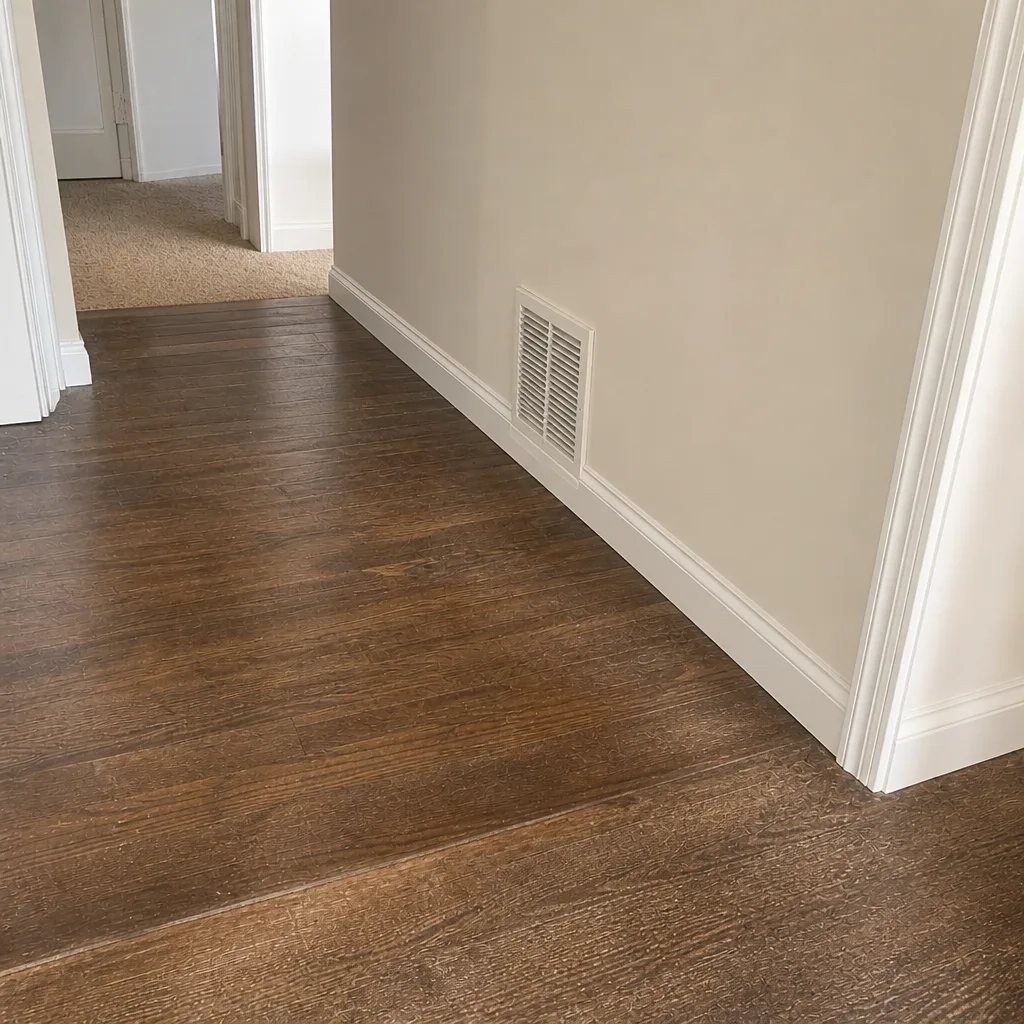 After