
Last updated November 25, 2026
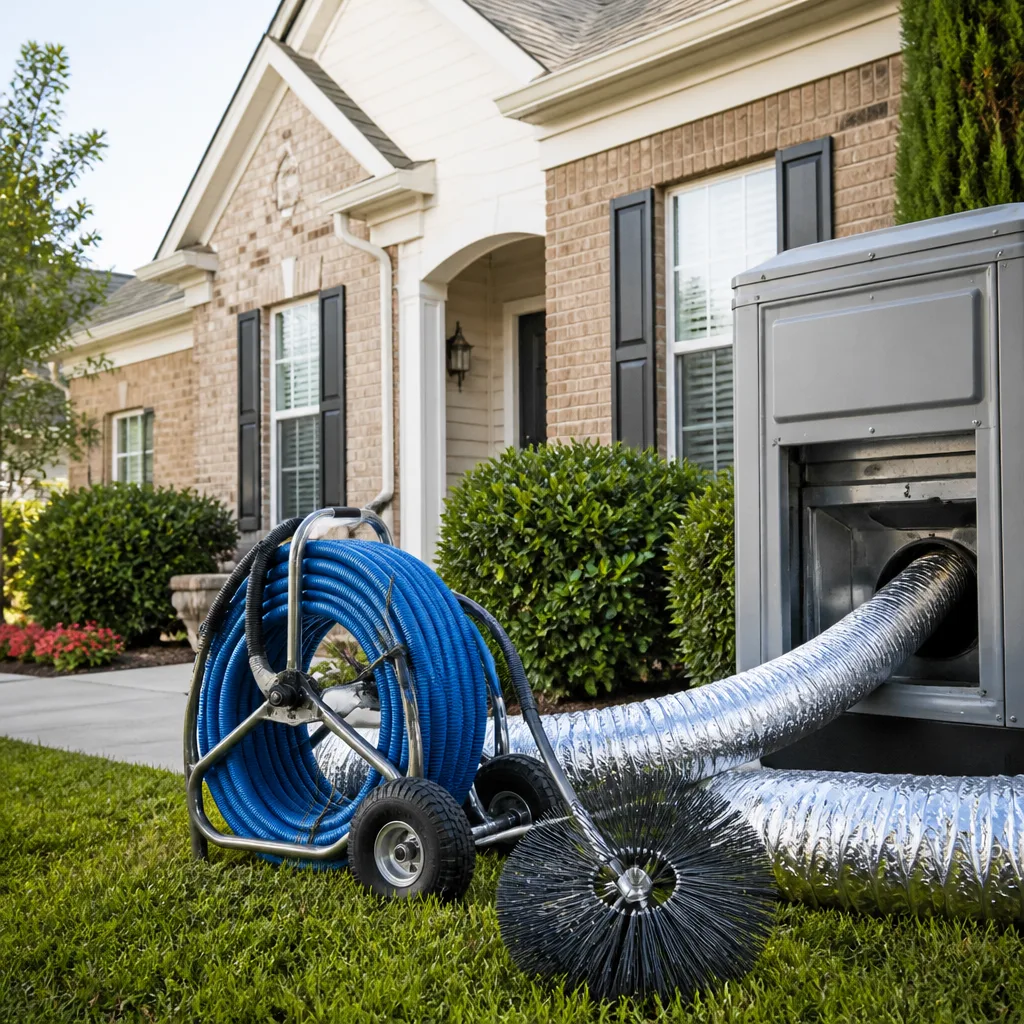 Whole-home duct cleaning
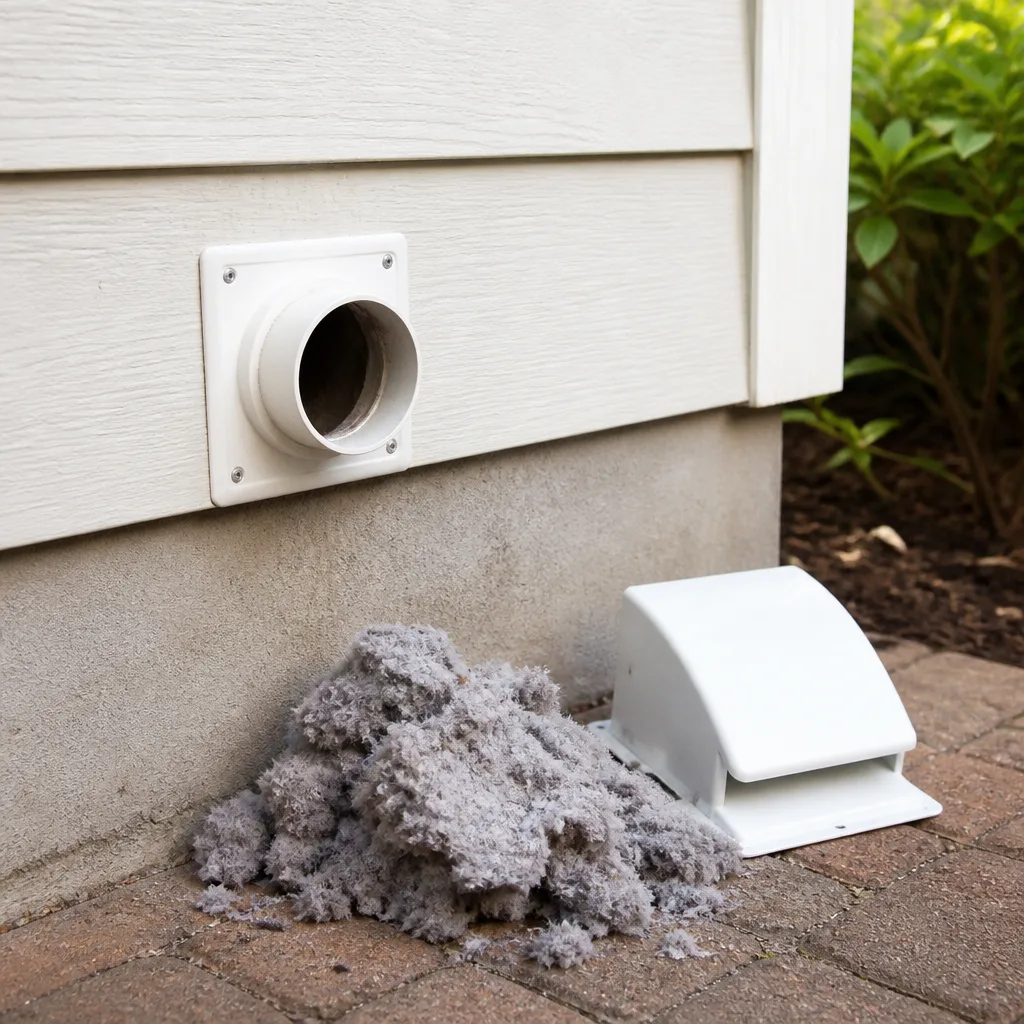 Dryer vent cleaning
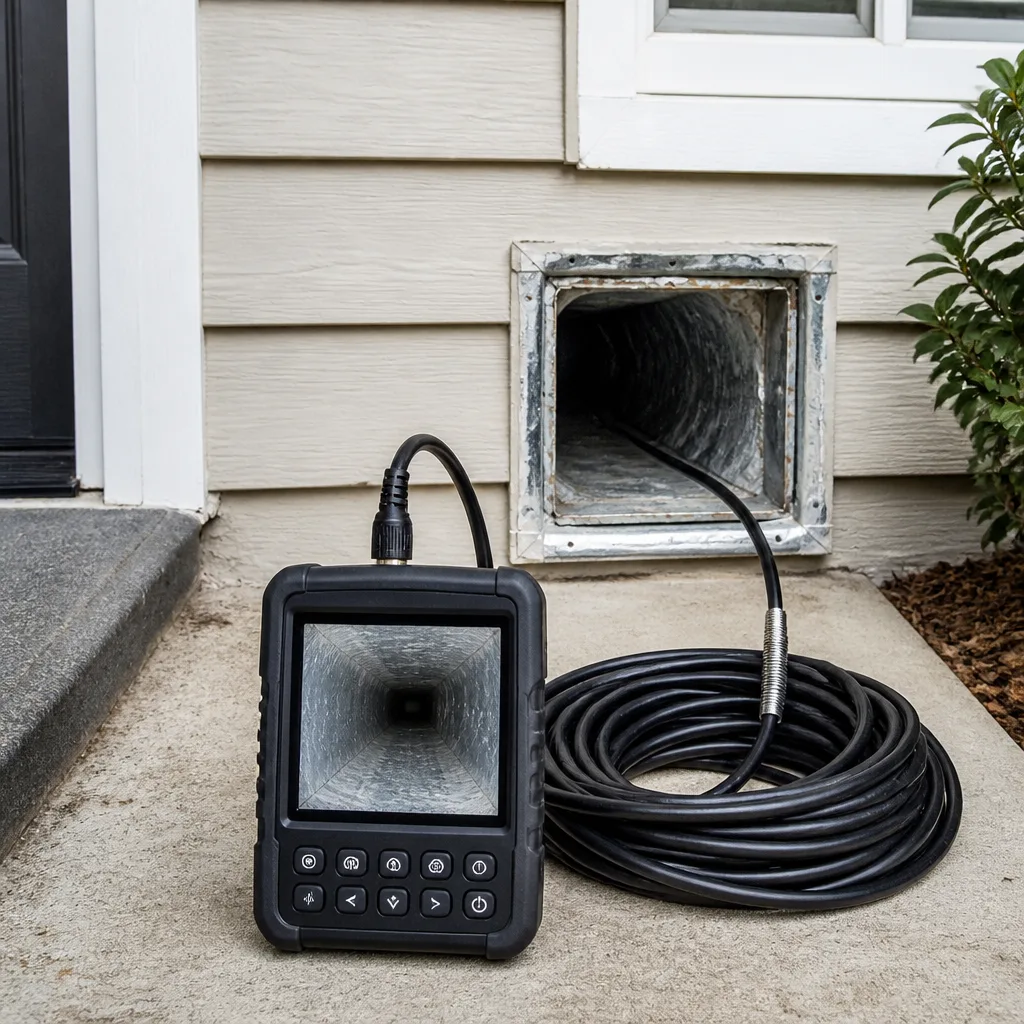 Camera inspection
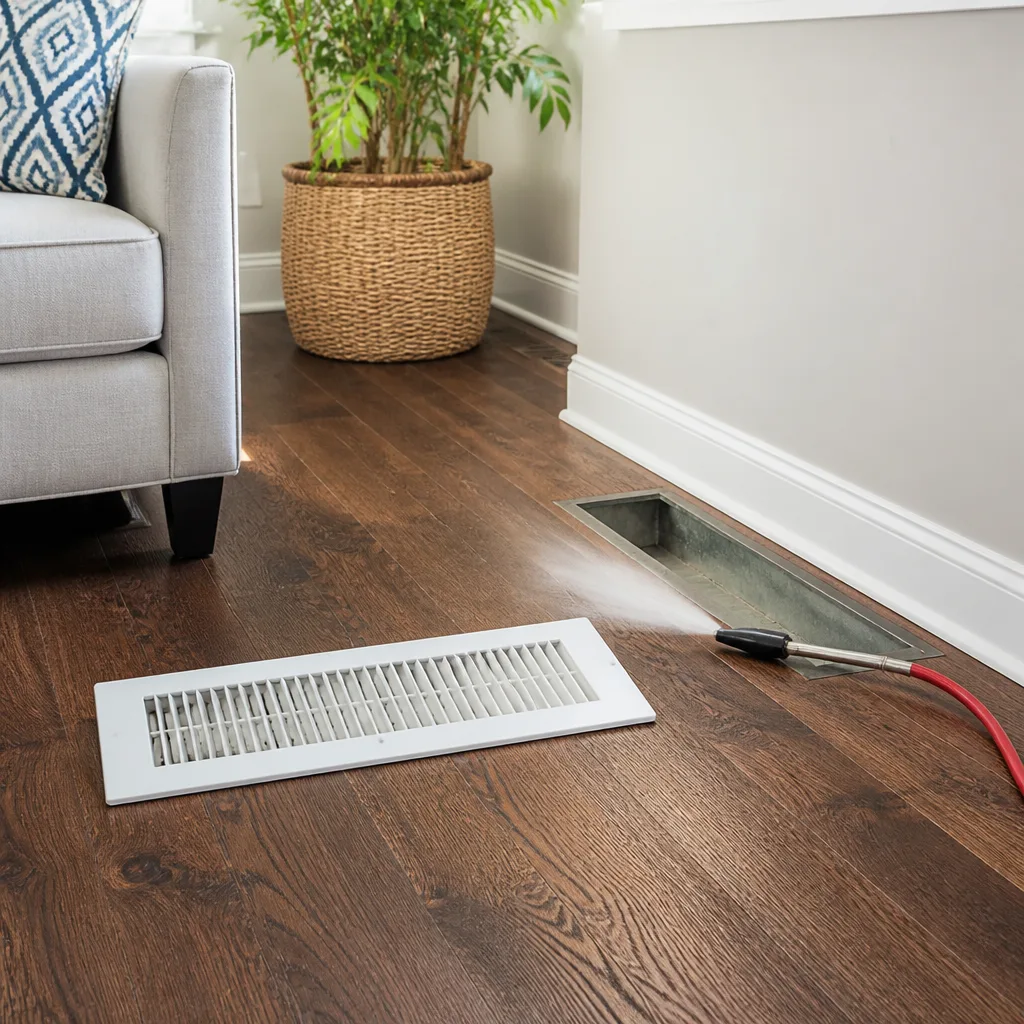 Sanitizing & deodorizing
Whole-system duct and dryer vent check with before-and-after photos - you see exactly what came out of your vents
That "$99 whole-house special" is a bait ad - the real number appears once they are in your hallway, or the "clean" is a shop-vac at the register. We photograph the inside of your ducts before and after instead.
Air Duct Cleaning Emergency Preparedness Guide for Broomfield Homes
When wildfire smoke drifts over the Front Range and the sky turns that flat orange, the instinct is to close every window and switch the thermostat to fan or recirculate. That instinct is half right, and the wrong half is what this guide is about. Most duct systems leak, and a fan running on a leaky system can pull outdoor smoke into the return side instead of filtering it out. Within a couple of days, that smoke can settle into duct lining, and the smell lingers long after the sky clears. Broomfield sits right at the edge of the wildland-urban interface, so smoke events, wind-driven debris, and sudden hail-driven water intrusion aren’t hypothetical here. This guide covers what to do before, during, and after those events.
Quick Answer
Air duct emergency response in Broomfield means acting within 24 to 48 hours of a smoke, water, or construction-dust event, not waiting for the next scheduled cleaning. The correct first step is to shut the system down if you suspect contamination, then get a professional assessment that documents what’s inside the ducts before anything runs again. Cleaning alone isn’t the whole job: sealing the leaks that let contaminants in is what keeps the system from re-contaminating the same day it’s cleaned.
Styles & brands we work with
- Whole-home duct cleaning
- Dryer vent cleaning
- Camera inspection
- Sanitizing & deodorizing
Table of Contents
- Post-Wildfire Smoke: When to Shut the HVAC Down and When to Run It
- The Four-Step Sequence After a Smoke Event
- Flood and Water Intrusion: Mold Timelines in Broomfield Ductwork
- Post-Renovation and Construction Dust: Why It Can’t Wait
- Documenting Duct Contamination for Insurance
- Pre-Emergency Preparedness: Shutoff, Filters, and Repairs
- What Broomfield Neighborhoods Face in Different Ways
- When to Call a Professional
Post-Wildfire Smoke: When to Shut the HVAC Down and When to Run It
The reflex to run the furnace fan on recirculate during a smoke event is the single most common mistake we see. Here’s the reasoning. A duct system is not sealed, no matter how well it was installed. Every joint, every takeoff, every panned return has gaps that a smoke particle moves through easily. When the blower runs, it puts the return side of the system under negative pressure. That negative pressure has to be relieved somewhere, and if the return plenum sits in a garage or an attic that isn’t air-sealed, the makeup air comes from outside. You’ve built a smoke pump.
So the question becomes: shut it down entirely or run it? It depends on the age and condition of the system and on whether you’ve had the ducts evaluated before.
- Newer, tightly-sealed system with a high-MERV filter in place: running the fan on low continuous with the filter in place can actually help scrub indoor air, as long as the return isn’t pulling from an unconditioned, dirty space.
- Older, unsealed system, or a return in a garage: shut the system down during heavy smoke. Running it will pull more particulate into the duct lining than it filters out.
- Any system showing visible smoke smell, soot film on registers, or a burning smell: shut it down and don’t run it until it’s been assessed.
- System with a known leak or a disconnected flex run: shut it down. A disconnected run in an attic or crawlspace is an open door for smoke.
Broomfield’s location puts it in the path of smoke from fires in the foothills and to the west, and those events often last days, not hours. A short event with the system shut down may need nothing more than filter changes. A long event, or one where the smoke smell gets into the house, generally requires a full air duct cleaning with containment, not a spot treatment. We use Abatement Technologies containment equipment on smoke jobs because loosened particulate has to be captured, not just dislodged and blown back into the living space.
The Four-Step Sequence After a Smoke Event
The order of operations matters more than most homeowners realize. Cleaning before shutting down, or running the system after cleaning but before sealing, both undo the work. This is the sequence we follow after a heavy smoke event in Broomfield.
- Shut down and document the system state. Turn the thermostat to off. Take photos of registers, filter condition, and any visible soot or smoke film before touching anything. Note the date and the event (wildfire, wind event) for insurance.
- Assess with the system off. A technician inspects the return and supply runs for gaps, disconnected sections, and contaminated flex. Smoke typically enters a home through the return side, so the return plenum and main trunk need attention first.
- Clean under containment. Using professional-grade Rotobrush and Nikro equipment with Abatement Technologies containment, the system is cleaned with negative pressure maintained at the work zone. This is the step that separates a real job from a surface vacuuming. Registers, boots, main trunk, and the air handler are cleaned as one system.
- Seal, replace filters, and verify. Mastic and foil tape close the leaks that let smoke in. Filters go in new, correctly sized, and with the right MERV for the system. Before-and-after photos go to the homeowner along with notes on what was sealed.
The step most companies skip is number four. Without sealing, the system re-contaminates the first windy or smoky day. Duct repair and sealing isn’t a separate luxury item; it’s the difference between a cleaning that holds and one that doesn’t. That’s the reason we offer it alongside cleaning on every job and quote it when we find leaks.
Flood and Water Intrusion: Mold Timelines in Broomfield Ductwork
Water in a duct system is a different emergency than smoke, and it moves faster. Mold can begin colonizing wet duct lining, insulation, and flex within 24 to 48 hours. The exact timeline depends on temperature and how wet the material gets, but the practical window is short: if ductwork has standing water or soaked insulation, treat it as an emergency and get it assessed the same day or next day.
Broomfield homes deal with a few water scenarios more than others. Spring snowmelt and heavy rain can push water into basement duct runs and crawlspaces. Hail events can breach a roof or a window well and send water into the attic, where flex duct runs sit in insulation. A sump failure or a burst supply line can flood a basement and wick into the duct insulation before anyone realizes the water reached the system. And because Broomfield sits on the Front Range with wide temperature swings, a wet duct in a cool basement and a warm upper floor can sustain condensation on the interior of the duct even after visible water dries.
- Water in the duct or soaked insulation: system off, professional assessment within 24 hours.
- Water in the basement but not in the ducts: get the space dried and have the duct system inspected; moisture wicks through insulation faster than it looks.
- Hail or roof breach: check attic flex runs for water intrusion before restarting the HVAC.
The response for a wet duct is usually remove-and-replace for any porous material that’s been soaked, followed by cleaning and sanitizing the rest of the system. We stock and work with Aprilaire and Honeywell air-quality products, so if the system needs a dehumidifier or a filter upgrade after the water event, it can go in on the same visit. A wet duct system that’s cleaned and dried but never sealed will keep pulling moisture in every humid day.
Post-Renovation and Construction Dust: Why It Can’t Wait
Drywall dust is not like household dust. It’s fine, abrasive, and settles into every joint and crevice in the duct system. It’s a filter-clogger, and it’s a contaminant the system will keep circulating for weeks if it isn’t addressed. The most common mistake in Broomfield renovations is treating construction dust as something to put on next year’s duct cleaning list. It’s an immediate-action item.
Why the urgency? Three reasons.
It damages the air handler. Fine drywall particulate coats the blower wheel, the evaporator coil, and the filter. A coated blower wheel loses balance and efficiency. A coated coil loses heat transfer and can ice over. That’s an HVAC repair bill that could have been avoided with a post-construction cleaning.
It circulates indefinitely. Without a full cleaning, the system keeps pushing drywall dust into the living space every time the blower comes on. That’s not something the family should be breathing after a remodel.
It coincides with sealing opportunities. New construction and remodels are the ideal time to seal a duct system, because the walls are often still open or the system has just been installed. Cleaning and sealing together prevents the leaks in the first place.
An effective post-construction cleaning includes the whole chain: ducts, returns, boots, registers, and the air handler. There’s no point cleaning the ducts and leaving the coil or the blower coated. That’s why HVAC cleaning and air duct cleaning belong in the same visit after a construction project.
Documenting Duct Contamination for Insurance
Insurance adjusters on a smoke, water, or hail claim respond to documentation, not description. The difference between a denied claim and an approved one is usually photos taken before the system was touched, an assessment that identifies what got into the system and why, and a written report that connects the contamination to the event. We build that documentation on every emergency call.
Here’s the file an insurance claim needs.
- Dated before-photos of registers, filter, and visible system components. Take them the day of the event. The filter is the single most useful photo: it’s the smoke or dust record of the whole system.
- The event reference. Date, the event (a named fire, a hail date, a specific water intrusion). Insurers cross-reference claims to events.
- A written professional assessment. Notes on where contamination was found, whether the contamination reached duct lining or insulation, and why the system needs cleaning rather than a filter change.
- Air quality readings where applicable. A technician may run air quality instruments before and after the cleaning where the claim benefits from that comparison. Results are documented in the report.
- After-photos and a scope note. Before-and-after photos of the cleaned system, plus the parts of the system cleaned, sealed, or replaced, so the adjuster can match scope to invoice.
- The invoice matching the scope. A written estimate issued before work starts, then an invoice consistent with it. Adjusters dislike scope creep more than high totals.
We don’t bill your insurer directly. What we do is give you the documents a claim needs, so you can submit them without chasing paperwork. That’s a conversation worth having with your adjuster before cleanup starts, not after.
Pre-Emergency Preparedness: Shutoff, Filters, and Repairs
Emergency preparedness for a duct system is mostly about doing three things before the event, not after. Broomfield fire season, hail season, and the winter-snowmelt cycle all roll through on a predictable enough rhythm that this preparation is genuinely worth the hour it takes.
1. Know your shutoff
Find the furnace disconnect or the breaker that serves the HVAC. Label it. Know how to switch the thermostat to off and, if the system uses a fan-only mode, whether that fan pulls from a garage or attic return. Every adult in the house should know this before the next smoke event.
2. Upgrade the filter, sized correctly
A MERV 11 or MERV 13 filter (but never one that’s too restrictive for the blower) is worth having in the system before fire season. The filter slot should be airtight; a filter slot with a half-inch gap is a bypass for smoke and dust alike. If the filter isn’t held firmly and the slot is loose, that’s the first repair. We can source Aprilaire and Honeywell filter housings and filters if the existing setup is inadequate.
3. Seal before, not after
Have the duct system checked for leaks and disconnected runs before the next smoke or water event. The cost of a leak assessment and sealing is small compared to the cost of a full post-event cleaning with contaminated insulation replacement. This is the single most effective thing you can do in advance. It also addresses an everyday issue: unsealed ducts lose conditioned air year-round, so this is comfort and efficiency work as much as emergency prep.
4. Have the right contact
Bookmark the number for a duct system professional before you need one. Broomfield Air Duct Cleaning is a call away at (866) 947-8482. We answer 24/7. Fast dispatch from 7am to 7pm, Sunday through Friday. The reason to have the number ahead of time is simple: the day of a smoke event, half the Front Range is calling the same handful of contractors. Having a relationship and an assessment already on file means you’re not starting from scratch.
5. Keep a documentation file
Photos of the system, the filter size, the last cleaning date, and any past assessment reports. When an insurance adjuster asks for the pre-event condition, this file is the answer.
What Broomfield Neighborhoods Face in Different Ways
Broomfield isn’t one climate. The city sits between the plains and the foothills, and the differences across the city change what a duct system faces in an emergency.
- West of Sheridan, closer to the foothills: these homes face the first and heaviest smoke during a foothills fire, and they also see more wind-driven debris. A return in a west-facing garage is a smoke entry point in a high-wind event.
- The older neighborhoods near the original Broomfield core: homes with original duct systems often have unsealed return plenums and disconnected flex runs in the crawlspace. These systems lose more to smoke ingress because the leaks are already there. A pre-season leak assessment is the highest-value step these homes can take.
- Newer neighborhoods and infill construction: the systems are tighter, but a lot of homes in Broomfield have been recently renovated, and drywall dust from a basement finish or a kitchen remodel is the more common emergency in this part of town than smoke.
- Homes near open space and the Interlocken area: high-wind events and drifting debris are more common here, and hail-driven roof breaches can put water into attic flex runs. A post-hail check of attic ductwork is worth the ten minutes it takes.
- Broomfield homes with basements: snowmelt and heavy rain events push water toward basement duct runs. A sump check before spring, and an inspection if the basement takes on water, prevents a slower mold emergency.
These aren’t small distinctions. A leaky system in an older Broomfield neighborhood reacts to a smoke event very differently than a sealed system in a newer build, and the right response follows from knowing which kind of system you have.
See the difference
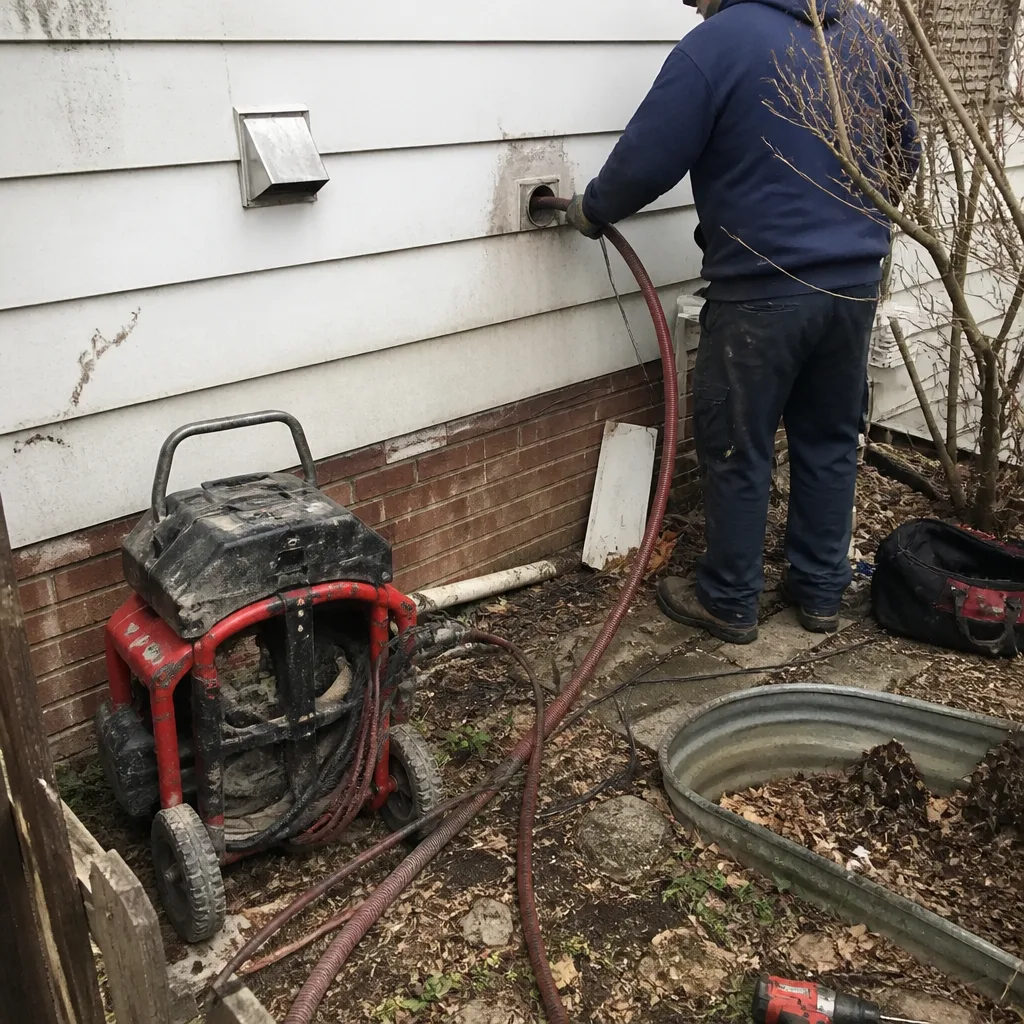 Before
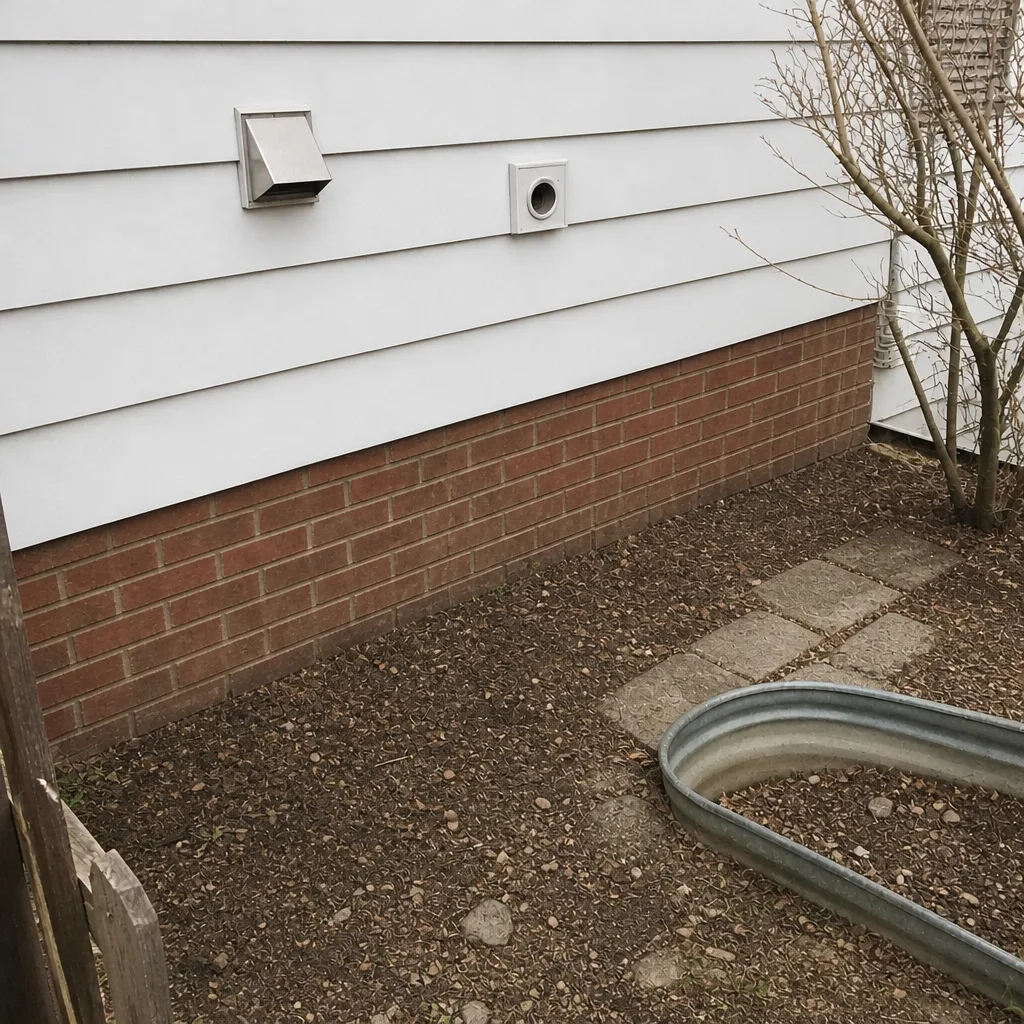 After
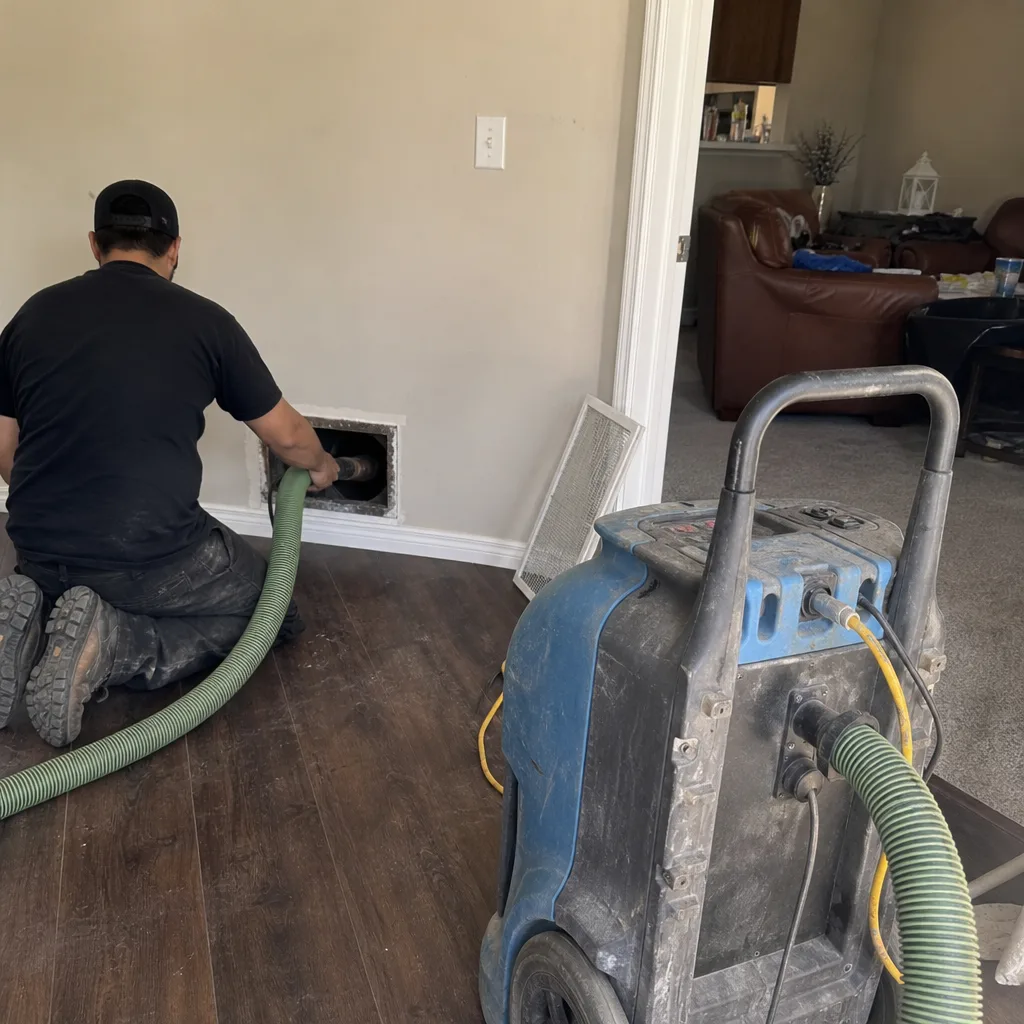 Before
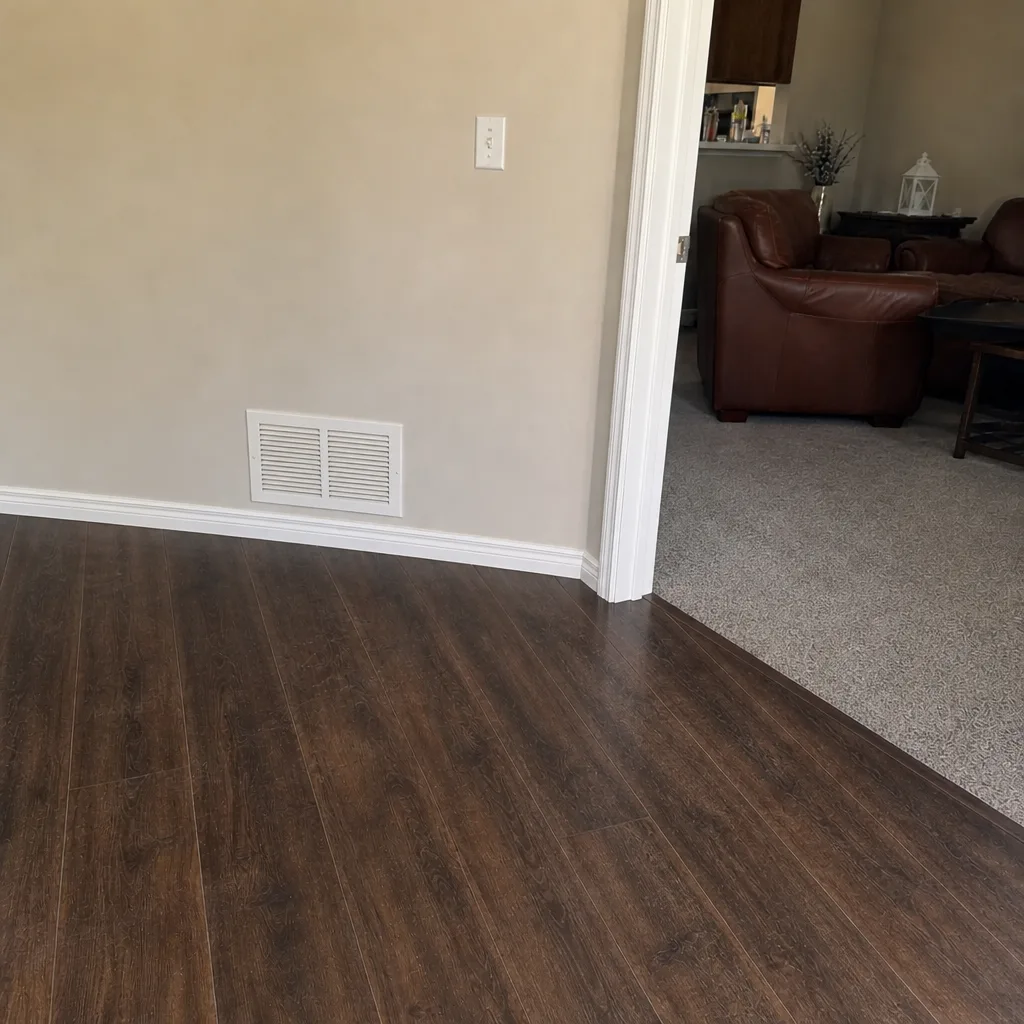 After
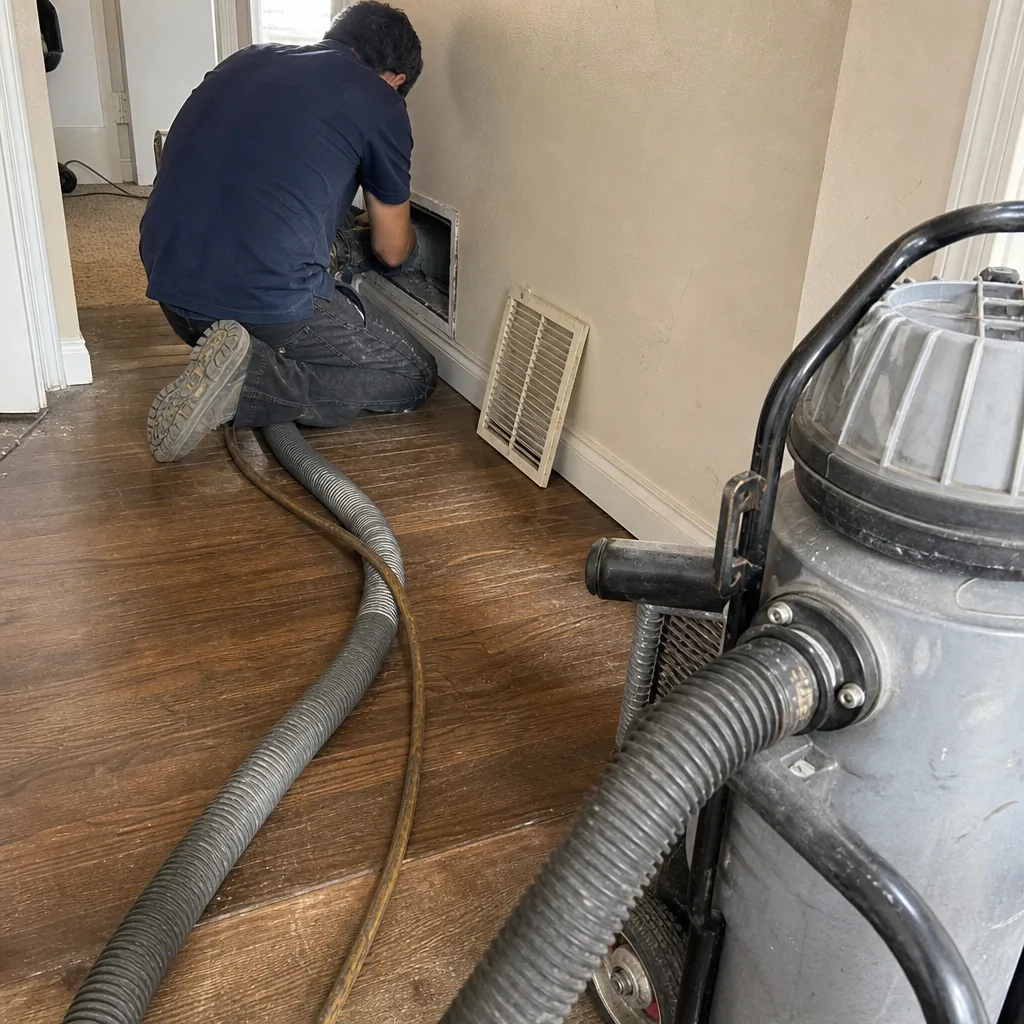 Before
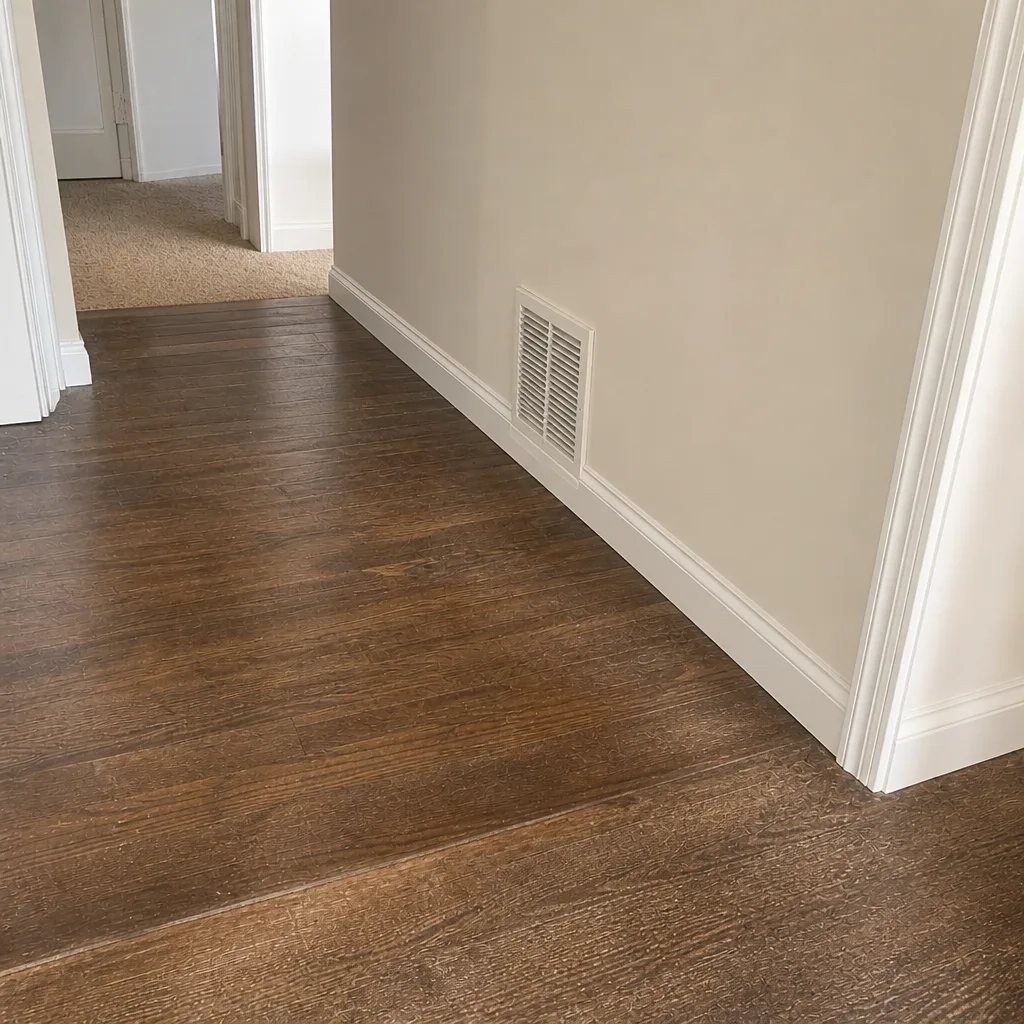 After
Common Mistakes to Avoid
- Running the fan on recirculate during heavy smoke without knowing the system’s return path. If the return pulls from a garage or attic that isn’t sealed, the fan becomes a smoke intake. Shut it down and have the return path checked first.
- Assuming a new filter fixes a smoke event. A filter catches what passes through it, but smoke particulate settles in the duct lining and in the insulation. Cleaning is what removes it; filters only protect the system between cleanings.
- Treating construction dust as a next-scheduled-cleaning item. Drywall dust coats the blower wheel and the coil and keeps circulating for weeks. That’s an HVAC repair bill waiting to happen, and a Broomfield remodel is the classic case.
- Cleaning the ducts but leaving the leaks alone. Cleaning a leaky system is like mopping a floor with the roof open. Duct repair and sealing is what makes the cleaning hold.
- Waiting for visible mold after a water event. By the time mold is visible at a register, the duct lining and insulation may already be colonized. The 24-to-48-hour window matters, and an inspection is what tells you whether you’re in it.
- Not documenting for insurance before cleanup begins. The photos, filter condition, and assessment notes are the foundation of a claim. Insurers respond to documented evidence, not a verbal description after the fact.
- Renting a consumer-grade machine for a real contamination event. A big-box rental doesn’t have the airflow or containment to clean a contaminated system, and loosened particulate without proper capture ends up back in the living space. Professional-grade equipment is the difference between cleaning and redistributing.
When to Call a Professional
Call a professional when the answer to any of these is yes: smoke smell persists more than a couple of days after the event clears; there’s visible soot or film at any register; water reached the duct or wet insulation is present; a renovation or construction project just finished; mold is visible or suspected anywhere in the system; or an insurance claim is underway and the adjuster needs an assessment. In each of these cases, the work needs professional-grade equipment and containment. Consumer-grade machines and shop vacuums don’t have the airflow to clean a contaminated system, and they can’t capture loosened particulate. Broomfield Air Duct Cleaning offers free estimates in Broomfield. Call (866) 947-8482. We answer 24/7. Fast dispatch from 7am to 7pm, Sunday through Friday.
Frequently Asked Questions
Within 24 to 48 hours if the smoke smell persists or if visible soot or film is present at the registers. If the smoke was mild and short-lived and the system was sealed and filtered, a filter change and an inspection may be enough. The 24-to-48-hour window is when smoke particulate is most mobile and most cleanable; beyond that it binds deeper into porous duct lining. Call (866) 947-8482 for an assessment.
It depends on the system. A newer, sealed system with a correctly-sized MERV 11 or 13 filter in place can help filter indoor air on low continuous fan, but only if the return doesn’t pull from a garage, attic, or unconditioned space. An older, unsealed system, or one with a disconnected flex run, should be shut down during heavy smoke. Get the return path checked before the next fire season. Call us for an assessment.
Mold can begin colonizing wet duct lining, insulation, and flex within 24 to 48 hours of water contact. The window narrows with warmer temperatures, which is why we treat a wet duct system as an emergency and assess it the same day or the next day. If a basement duct run or attic flex has soaked insulation, get it inspected before it dries into a mold problem. Call (866) 947-8482 to schedule an assessment.
For any post-renovation or new construction project, yes. Drywall dust coats the blower wheel and the evaporator coil and keeps circulating through the living space for weeks if it isn’t cleaned out. It’s a filter-clogger and an HVAC efficiency drag, and it coincides with the ideal time to seal the system. Post-construction cleaning is worth doing in full, on the same visit. Call for a free estimate.
It depends on your policy and on the cause. Coverage generally follows documentation: dated photos, a professional written assessment, and an invoice that matches the scope. We don’t bill your insurer directly, but we do provide the documentation a claim needs. Have that conversation with your adjuster before cleanup starts. Call (866) 947-8482 to schedule an assessment for the documentation.
Cleaning removes the contamination; sealing prevents it from coming back. Ducts leak at joints, takeoffs, and plenums, and those leaks are how smoke, dust, and moisture get in. Cleaning a leaky system re-contaminates on the next windy or smoky day. The two belong together, especially on Broomfield systems that sit in attics and crawlspaces. Call (866) 947-8482 for a combined estimate.
The Bottom Line
Duct emergency response in Broomfield is about timing and sequence. Shut the system down when smoke or water is present, document the system state before anything is touched, get a professional assessment that identifies what’s in the system and why, clean under containment with professional-grade equipment, then seal the leaks that let the contamination in. The mistake most homeowners make is treating cleaning as the whole job and skipping the sealing step. The second mistake is waiting. Smoke and moisture both bind into duct lining quickly, and the cost of a full cleaning and repair grows with every day. Prep before fire season, before the next remodel, and before spring snowmelt: shutoff, filter, sealing, documentation. And know who to call when the event arrives. Call (866) 947-8482 for a free estimate. We answer 24/7. Fast dispatch from 7am to 7pm, Sunday through Friday. We handle the full indoor-air chain, from Broomfield Air Duct Cleaning services to dryer vent cleaning, so one visit covers the emergency and every related system. Our technicians have up to 8 years of experience, they use professional-grade Rotobrush and Nikro equipment on every job, and they apply Guardsman-grade surface protection to finished spaces during service visits.
Written by the team at Broomfield Air Duct Cleaning.