
Last updated November 25, 2026
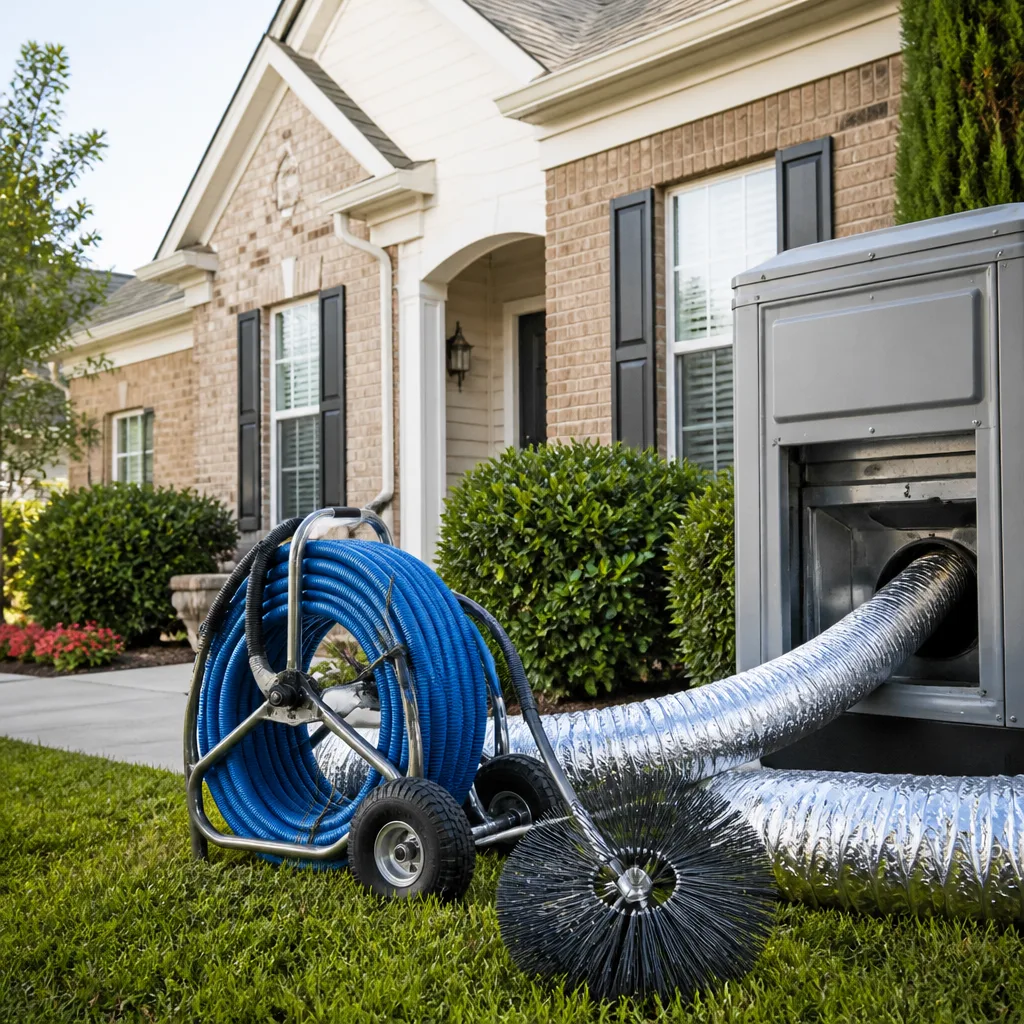 Whole-home duct cleaning
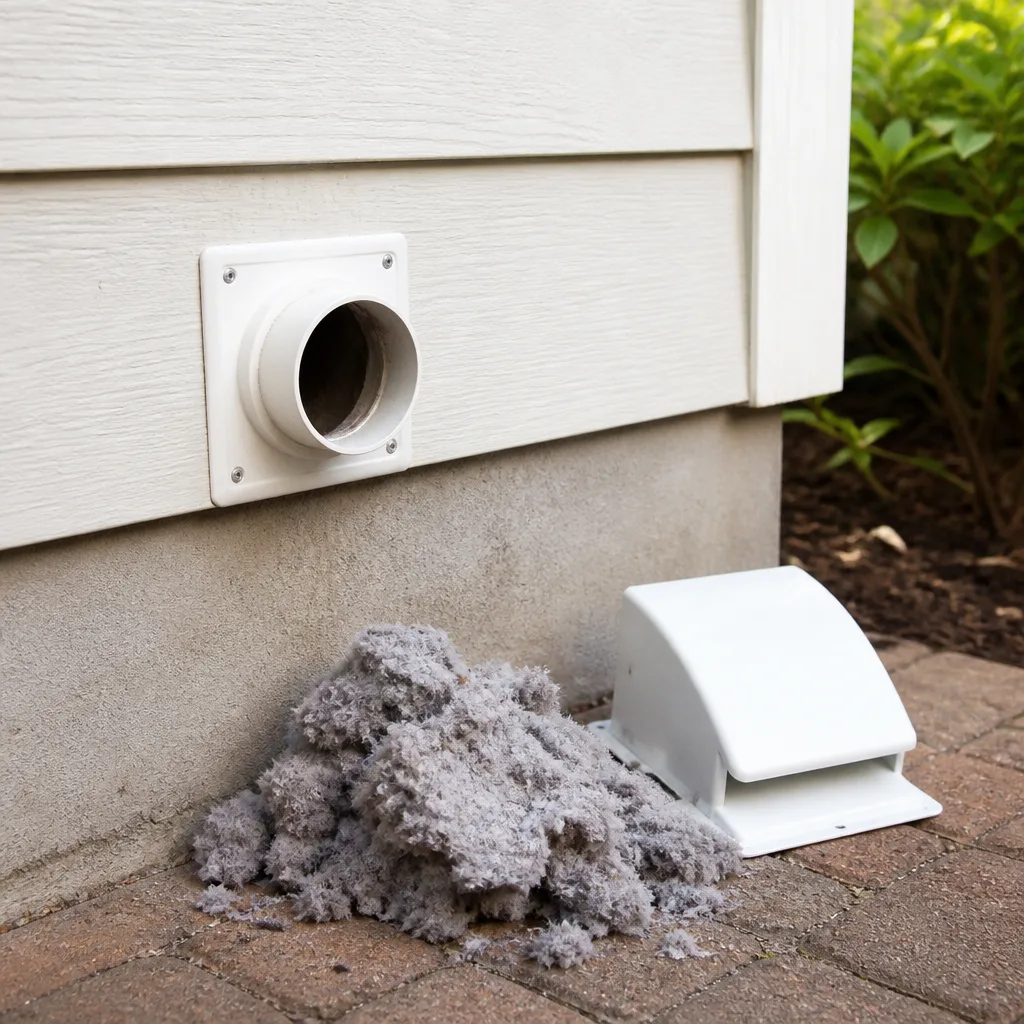 Dryer vent cleaning
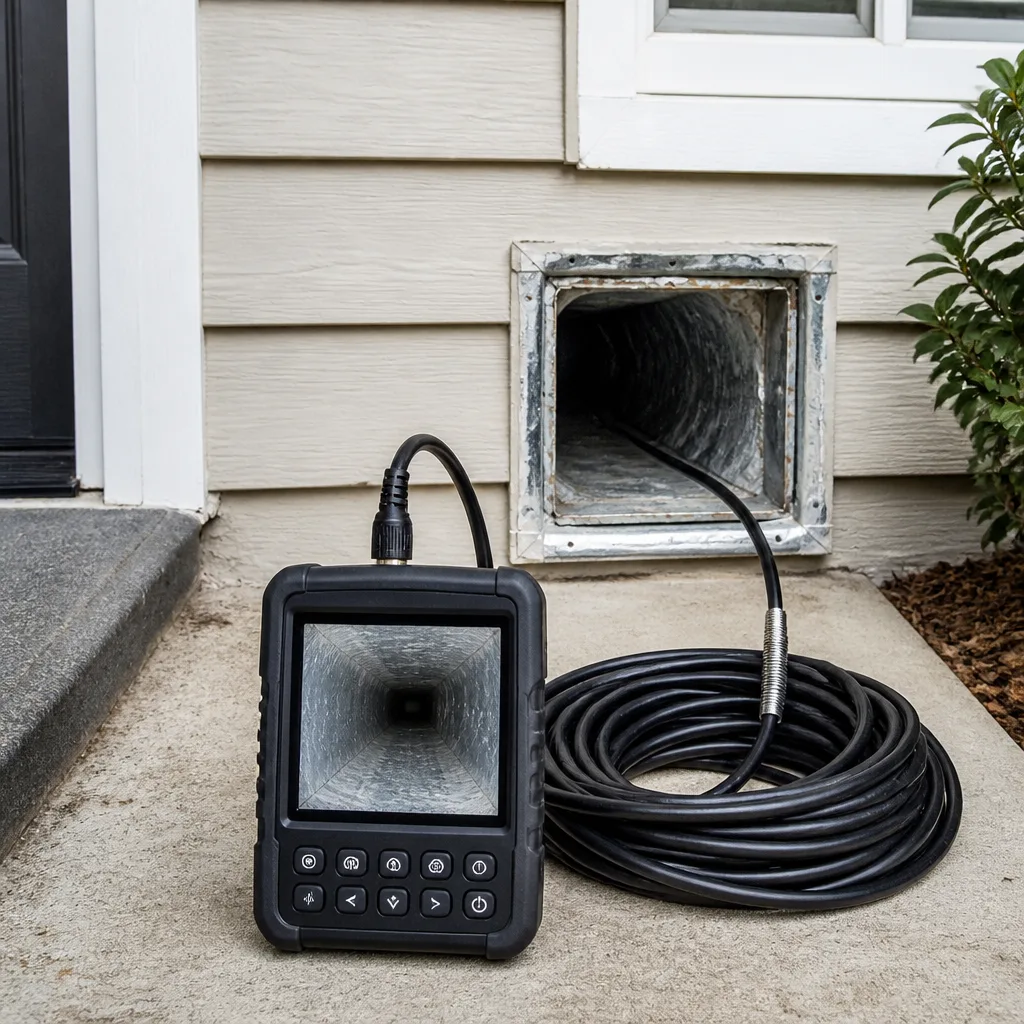 Camera inspection
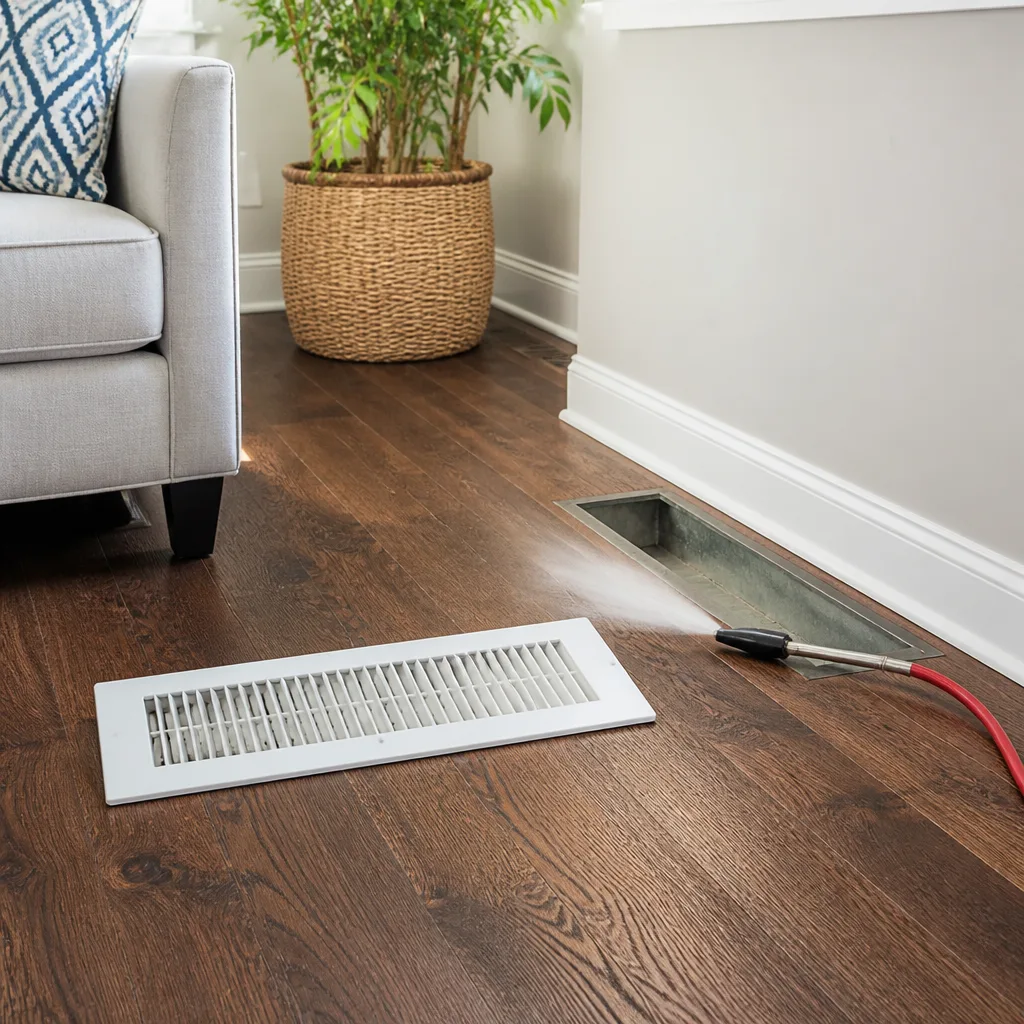 Sanitizing & deodorizing
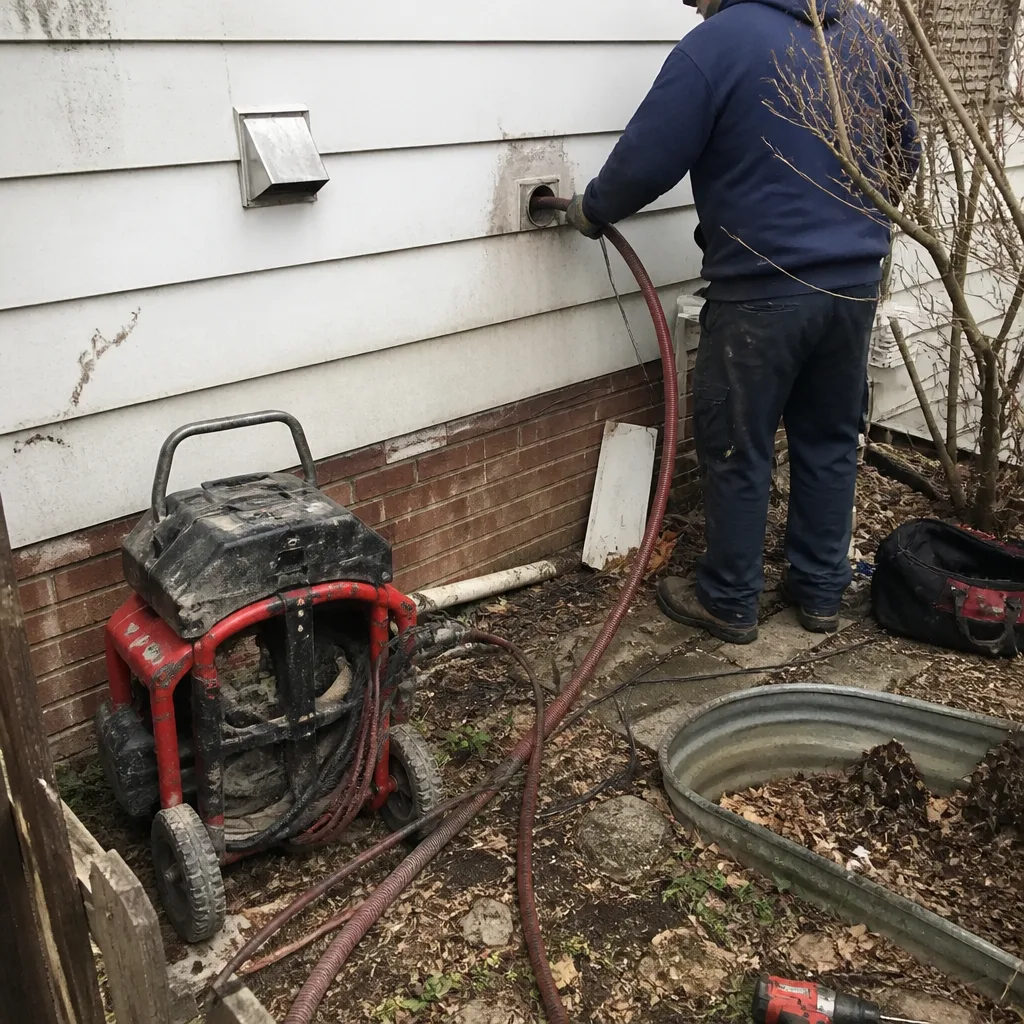
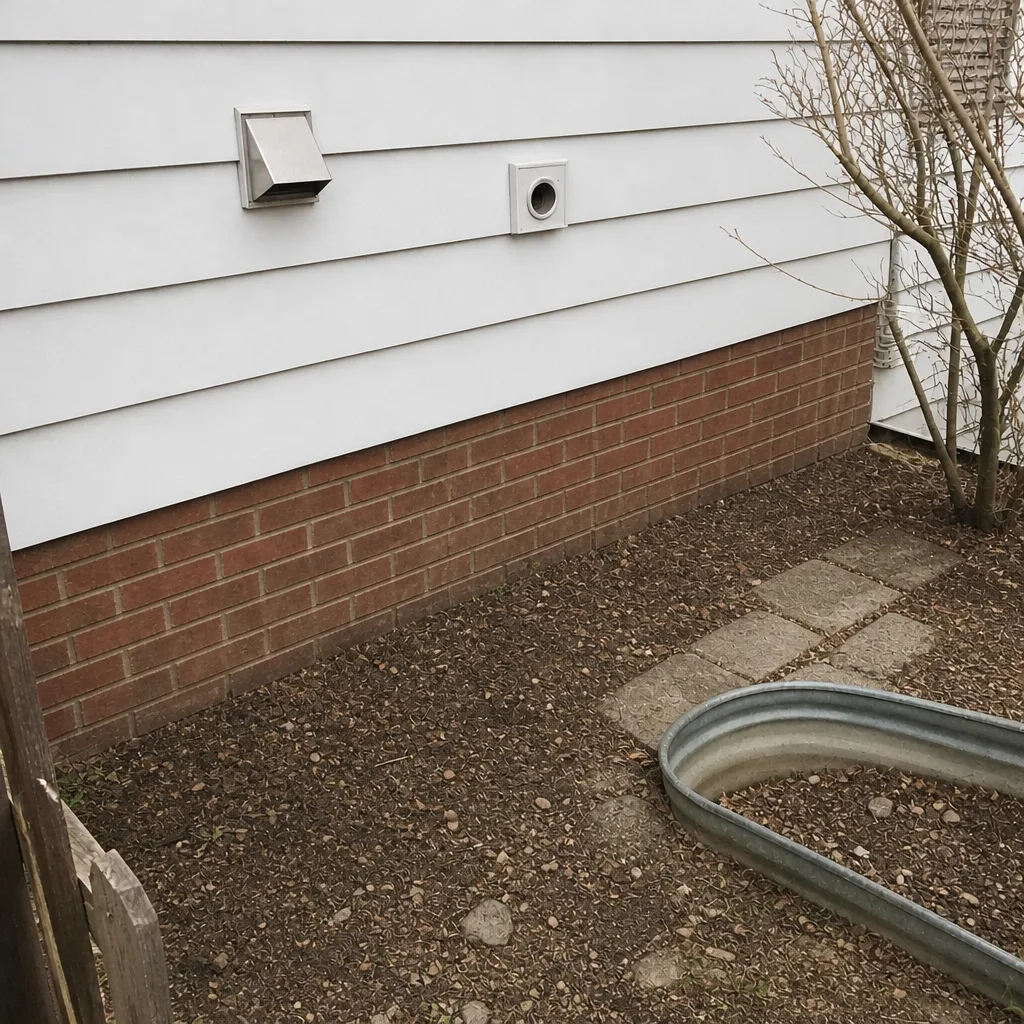
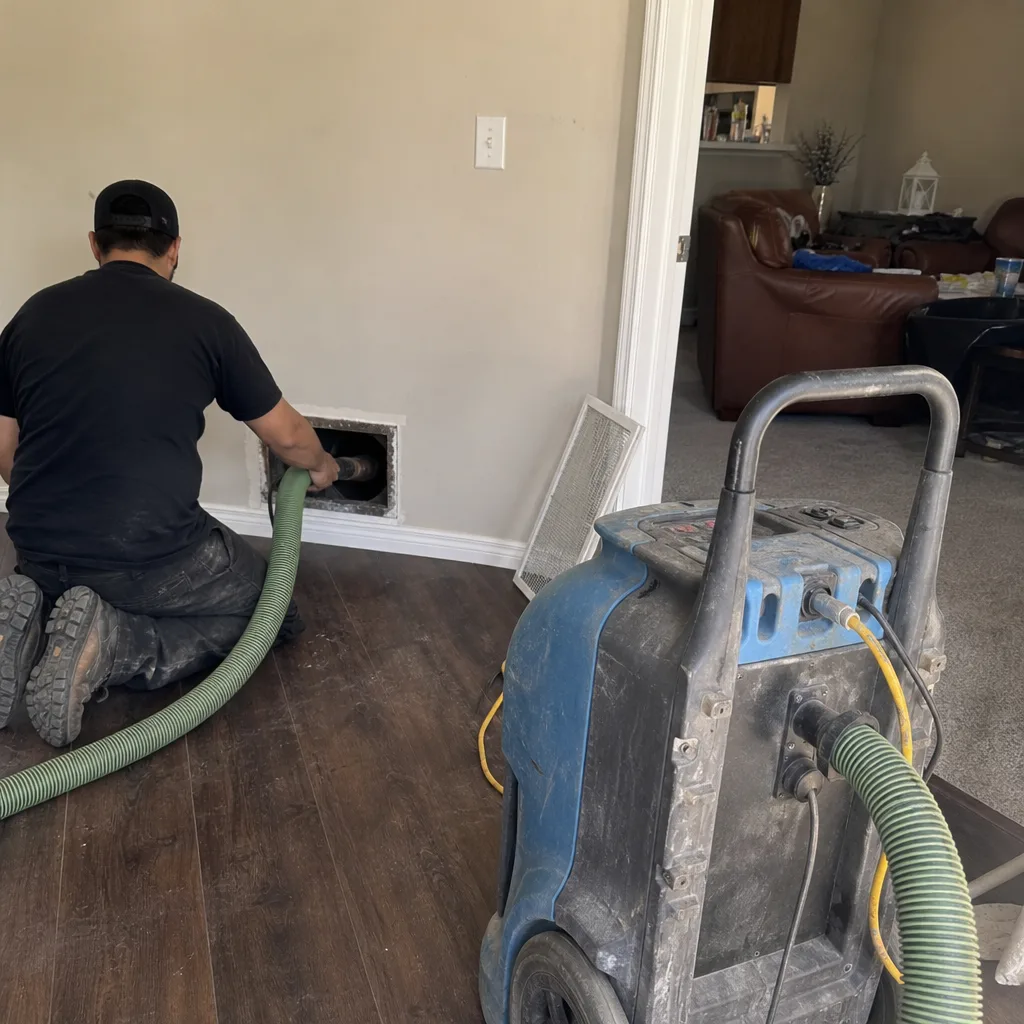
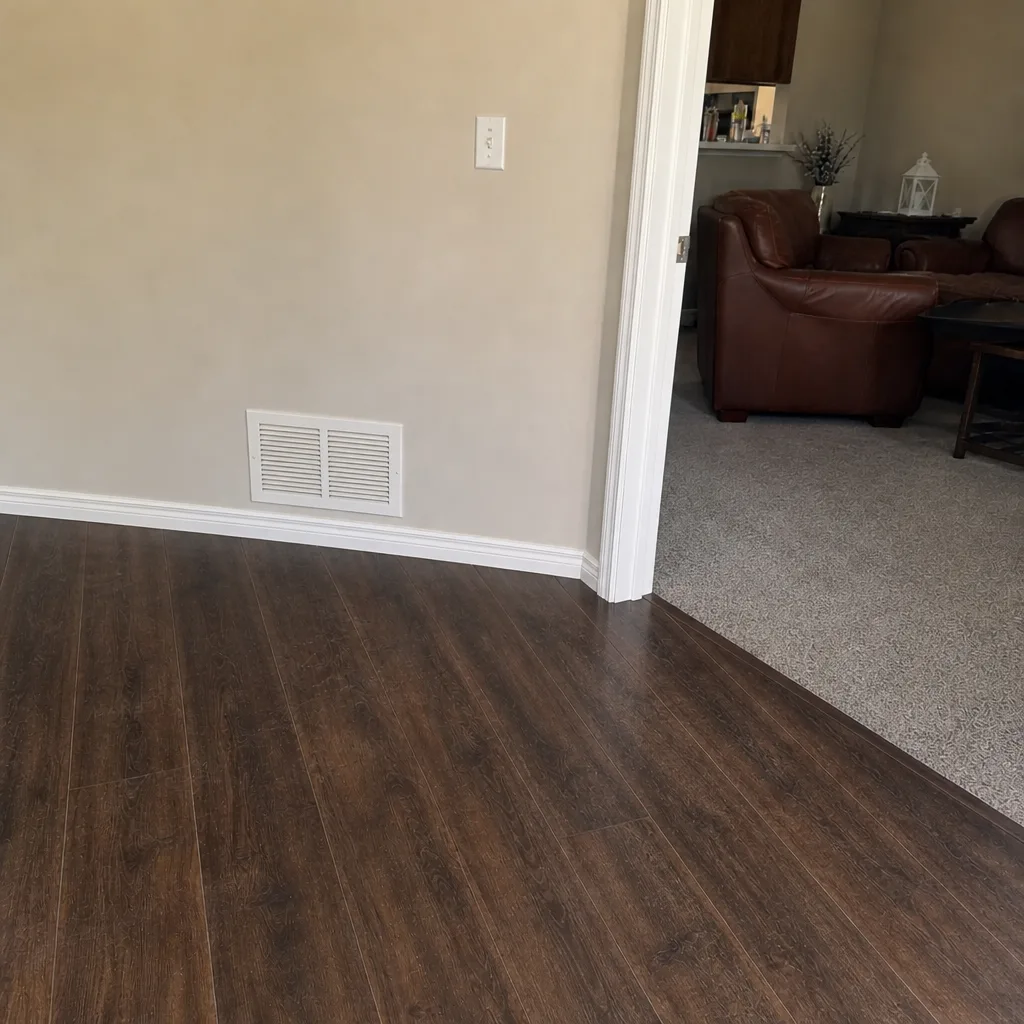
Whole-system duct and dryer vent check with before-and-after photos - you see exactly what came out of your vents
That "$99 whole-house special" is a bait ad - the real number appears once they are in your hallway, or the "clean" is a shop-vac at the register. We photograph the inside of your ducts before and after instead.
Air Duct Cleaning Maintenance Checklist for Broomfield Homeowners
Most duct cleaning checklists online tell you to “change your filter regularly.” That’s the equivalent of a car manual telling you to “drive carefully.” It’s true, it matters, and it tells you almost nothing you can act on. A one-time professional cleaning without a maintenance rhythm behind it is like detailing a car you never change the oil in: the investment degrades, quietly, and faster than you’d expect. This guide gets specific. Filter MERV ratings that actually suit Broomfield homes, inspection intervals, the two registers that collect debris fastest, and the visual checks you can run with a phone flashlight. What you’ll learn: a month-by-month framework that keeps contamination sources in check between professional visits.
Quick Answer
A workable air duct maintenance checklist for a Broomfield homeowner runs on three clocks: monthly (filter check, return register glance), quarterly (supply register and accessible duct inspection), and annual (full system assessment, plus professional cleaning every two to three years depending on filter loading speed, pets, and nearby construction dust). The two DIY tasks that actually move the needle are choosing the right filter and inspecting the return-side registers. Everything else is observation and timing.
Styles & brands we work with
- Whole-home duct cleaning
- Dryer vent cleaning
- Camera inspection
- Sanitizing & deodorizing
Table of Contents
- Why a One-Time Cleaning Fades Without a Maintenance Rhythm
- The Monthly Checklist: Tasks That Take Ten Minutes
- The Quarterly Checklist: Registers and Accessible Ducts
- The Annual Checklist: The Full-System Assessment
- Choosing the Right MERV Rating for Broomfield Homes
- The Two Registers That Collect Debris Fastest
- Tracking Metrics You Can Actually Observe
- Common Mistakes to Avoid
- When to Call a Professional
Why a One-Time Cleaning Fades Without a Maintenance Rhythm
A duct system is not a sealed bottle. It breathes. Every time the blower runs, it pulls air through the return side, past the filter, through the heat exchanger or coil, and out through the supply trunks. Whatever the filter doesn’t catch goes into the system. In Broomfield, that “whatever” has a particular character worth understanding.
This is high-plains Front Range country: dry air most of the year, wind that carries fine mineral dust, and a heating season that runs the furnace hard from roughly October into April. That combination means your ducts see more airborne particulate hours than a similar home in a humid climate, and they see it in the form of fine, silty dust rather than the sticky stuff you’d get near the coast. Fine dust is the hardest kind for a filter to catch completely and the easiest kind to re-entrain once it settles. It doesn’t stay put politely.
That’s why a professional cleaning is a starting point, not an endpoint. The contamination that returns after a cleaning comes from sources a cleaning can’t remove: the outdoor air being pulled in, the filter you haven’t changed, the leaky return duct in the garage ceiling that draws dusty attic air. A maintenance rhythm addresses those sources between visits, which is what extends the value of the cleaning.
When a professional service visit does come around, the right sequence matters. Professional-grade equipment, not big-box rentals, should be the baseline. Rotobrush and Nikro systems, the kind commercial HVAC contractors use, agitate and extract in a way a shop vac can’t. Containment matters just as much: Abatement Technologies protocols keep loosened contaminants in the work zone instead of recirculating them into the living space during the job. If you’re comparing us or anyone else to a coupon-service, that’s the difference to look for. You can read more about what a full air duct cleaning involves before you book.
The Monthly Checklist: Tasks That Take Ten Minutes
Monthly tasks exist to catch drift early. None of them take long. All of them are observation plus one small action.
- Look at the filter, don’t just replace it. Pull it, hold it up to a light. If you can’t see light through it in the center, it’s loaded. What matters more than the calendar is how fast it loads. Note the date you changed it. If a filter that used to last three months is now loading in six weeks, that’s a signal, not a chore.
- Glance at the return register nearest the furnace. Dust streaks radiating out from the grille, or a visible fuzz on the fins, means the return side is working harder than it should.
- Listen to the system at startup. A new whistle or whoosh at the return registers can mean a restrictive filter or a partially blocked return. Both are cheap to fix early, expensive to ignore.
- Run a hand over the supply registers while the system is on. Weak airflow from one or two registers while others are strong is often a leak or a disconnected run in the duct trunk, not an HVAC problem.
- Check the condensate or the drain pan area if you can see it. Standing water or a musty smell near the air handler is a call-us-soon signal, not a wait-and-see.
Keep a simple log: date, filter loaded or not, anything that seemed off. In Broomfield, where spring windstorms push a visible dust load through the system, that log becomes genuinely useful. You’ll see seasons in it.
The Quarterly Checklist: Registers and Accessible Ducts
Quarterly tasks go deeper than a glance. Pull the grilles, look inside, and use your phone as an inspection tool.
- Remove and wash supply and return grilles. Most are held by two screws or friction clips. Dish soap and warm water, dry fully before reinstalling. Do this quarterly and you’ll be surprised how much a grille accumulates.
- Phone-flashlight inspection of the boot behind each register. With the grille off, point your phone camera up into the duct and take a photo. This is the most useful inspection a homeowner can do.
- Look at the accessible duct sections. Anywhere the ducting is exposed (a basement ceiling, a mechanical closet), check the seams. Loose tape, gaps at joints, or disconnected flex duct are common and all repairable.
- Check the dryer vent run end to end. The exterior vent flap should open freely when the dryer runs. If it stays closed or only flutters, the run is restricted. This is a fire-safety item, not a comfort item, and it belongs on the quarterly list. Our dryer vent cleaning page covers how a restricted run is cleared.
- Look at the air handler cabinet. A visible dust film on the outside of the cabinet near the seams often means air is bypassing the filter and dirtying the coil.
The phone-photo habit is worth building because it gives you a baseline. Photograph the same register boot every quarter. When something changes, you’ll see it. More on what to look for in the next section.
The Annual Checklist: The Full-System Assessment
Once a year, do a proper audit. This is where you’ll decide whether the professional cleaning interval is two years, three, or one.
- Tally your filter changes. Count how many you used this year. A home with pets, nearby construction, or a system that runs long heating cycles will use more. If you’ve gone through five or more filters, consider a two-year cleaning interval. Three or four is usually a solid two-to-three-year rhythm.
- Review your quarterly photos side by side. Look for increasing dust film, streaks, or a visible fine silt coating.
- Check the HVAC cabinet and coil access. Whether you can see the coil or not, note whether the area around the air handler has a persistent dust film after you clean it. That film means the cabinet or a nearby duct is leaking.
- Review your energy bill against the same month last year. Rising cooling or heating cost with no rate change is a soft signal that airflow is degrading. It’s not proof of a duct problem, but it’s a reason to look closer.
- Walk the exterior vent terminations. Check for nests, debris, or a vent cover that has come loose, particularly in spring. Wild birds find Broomfield’s vent terminations as attractive as anywhere else.
- Book the professional assessment. If you’re on a two-to-three-year cycle, schedule the cleaning. If you’ve just had one, this is the year you inspect the accessible sections and repair any leaks a cleaning found but didn’t fix. Duct repair and sealing is what separates a clean system from a clean-and-tight system, and HVAC cleaning covers the coil and cabinet side of the same picture.
If your ductwork has any exposed sections with porous board or old insulation, be careful poking around them yourself. Airlifted fibers are a bigger issue than dust.
Choosing the Right MERV Rating for Broomfield Homes
MERV (Minimum Efficiency Reporting Value) is a filter’s rating for how well it captures airborne particles. Higher is not always better. In an older Broomfield home with a standard PSC blower and undersized return ducts, a higher-MERV filter can push static pressure up to the point that airflow drops. That’s worse for your air quality and your equipment than a slightly lower-MERV filter that doesn’t strangle the system.
Here’s a working guide for Front Range homes:
- MERV 8: The safe baseline for most older Broomfield systems with 1-inch filters. Good particle capture, decent airflow, reasonable cost per filter.
- MERV 11: A step up for homes with a 4-inch or 5-inch media cabinet. Better capture of fine particulates, still reasonable pressure drop if your return ducting is properly sized.
- MERV 13: Genuinely aggressive particulate capture, and in many older systems it costs you airflow. It’s worth it only if the system was designed for it, or you’ve upgraded the blower and return path. If you have cold rooms or a struggling blower, MERV 13 is probably the wrong choice.
- Anything above MERV 13: Rarely appropriate for residential forced-air. Reserve for medical or specialized settings.
The right filter is the one your system can actually breathe through. If you’re not sure, move down a rating, not up. If you’re already on a media cabinet system and want better filtration in place of a higher-MERV pleated filter, a dedicated air-cleaning product like an Aprilaire or Honeywell unit is designed for the job without choking the blower. We’re authorized to work with both product lines, and the right time to consider one is during a full-system service visit, so the filter decision is made together with the duct and cabinet cleaning rather than in isolation.
The Two Registers That Collect Debris Fastest
Not all registers are equal. In most homes, two specific locations collect debris noticeably faster than the rest. Inspect these quarterly rather than annually.
- The return register closest to the air handler, and especially any floor-level return. It carries the highest volume of air and the heaviest dust load. If the return is in a hallway wall near the furnace, it also carries whatever the floor-level dust and pet hair kicked up into the room. Floors are dust factories, and the return right above them gets first pick.
- The supply register in the room with the most foot traffic and the least ventilation. Usually a bedroom, mudroom, or the office over the garage. These rooms run longer air cycles because they’re harder to condition, so their supply ducts carry more air and pick up more of the fine silt that settled inside the trunk. Add a nearby closet or a return under a bathroom door and it’s a repeat offender.
Check these two every quarter with the phone-flashlight method. If they look increasingly caked when you compare photos, that’s a trigger to move the professional cleaning interval earlier, no matter what the calendar says.
Tracking Metrics You Can Actually Observe
You can’t measure a duct system’s contamination directly without equipment, but you can track proxies. Three of them are genuinely useful.
Filter loading speed. How many days or weeks from install until a filter goes opaque under a light. Track it by date in your log. A filter that used to run 90 days and now runs 45 is telling you the system is pulling in more particulate, usually through a leak or because it’s overdue for a cleaning.
Allergy and symptom patterns. Not a medical measurement, just a pattern. Note when symptoms worsen. If morning congestion rises in the weeks after the furnace first comes on for the season, that’s an airflow and dust signal. If it tracks with the spring wind, that’s an outdoor-dust signal. The two point to different actions.
HVAC runtime changes. If you have a smart thermostat, look at runtime in the shoulder months and compare to prior years. Longer runtime for the same indoor temperature with the same outdoor weather usually means reduced airflow. A duct leak, a dirty coil, or a loaded filter will all produce it. Ruling out the cheap causes (filter, coil) points you back to the ducts.
What normal looks like versus what warrants a call: a light, even dust film inside a register boot is normal. A visible coating of silt, streaking from the boot into the room, or a grey haze on the grille fins within two weeks of a wash is not normal. Neither is a musty smell when the system first kicks on. That last one often signals moisture somewhere in the system.
Common Mistakes to Avoid
- Chasing a higher MERV rating without checking airflow. The best filter is the highest rating your blower can handle, and in an older Broomfield home that’s often lower than you think. Going up a rating usually means a lower one was right for the equipment.
- Replacing the filter only when the calendar says so. A calendar ignores pets, construction dust, and how hard the furnace runs. Track loading speed, not dates.
- Washing supply registers but forgetting the returns. The return side carries more dust. It’s the one that matters most, and it’s the one most people skip.
- Ignoring the dryer vent because the dryer still dries. A restricted dryer vent can keep working, just slower and hotter, until it fails. Treat it as a quarterly check and an annual professional clean, and don’t confuse it with a duct-cleaning add-on. It’s a separate safety item.
- Confusing “duct cleaning” with “duct repair and sealing.” Cleaning removes contamination. Sealing stops the leak that will re-contaminate the system next month. A service that only cleans, or only seals, is half a job. We do both in one visit because we fix what we find.
- Hiring on price alone, then assuming the job was done. The coupon that brings a truck to your door hasn’t paid for containment gear, professional-grade equipment, or real inspection time. Ask what equipment they use, ask whether they’ll photograph the before-and-after, and ask what happens if they find a leak.
- Skipping the accessible-duct walk during the annual audit. Most duct leaks are in plain sight, in a basement or mechanical closet. Ten minutes with a flashlight catches them.
When to Call a Professional
Some signs need a professional visit. If your filter is loading in half the usual time, if a register has visible debris that wasn’t there a few months ago, if a musty smell appears when the system starts, or if a section of duct has come loose or a joint has opened up, this isn’t a wait-for-the-next-cleaning problem. It’s a call-now problem. High-tension components aren’t a concern in ducts, but the electrical side of an air handler is. Don’t open that cabinet yourself. Same goes for opening any duct run that could contain porous materials or insulation fibers.
Broomfield Air Duct Cleaning offers free estimates in Broomfield. Call (866) 947-8482. Our technicians have up to 8 years of experience, we work with professional-grade Rotobrush and Nikro equipment, and we use Abatement Technologies containment protocols on every visit so the debris we loosen stays contained rather than recirculating through your home while we work. Where a leak turns up mid-clean, our duct repair and sealing service corrects it in the same visit, so you’re not scheduling a second contractor.
See the difference
 Before
 After
 Before
 After
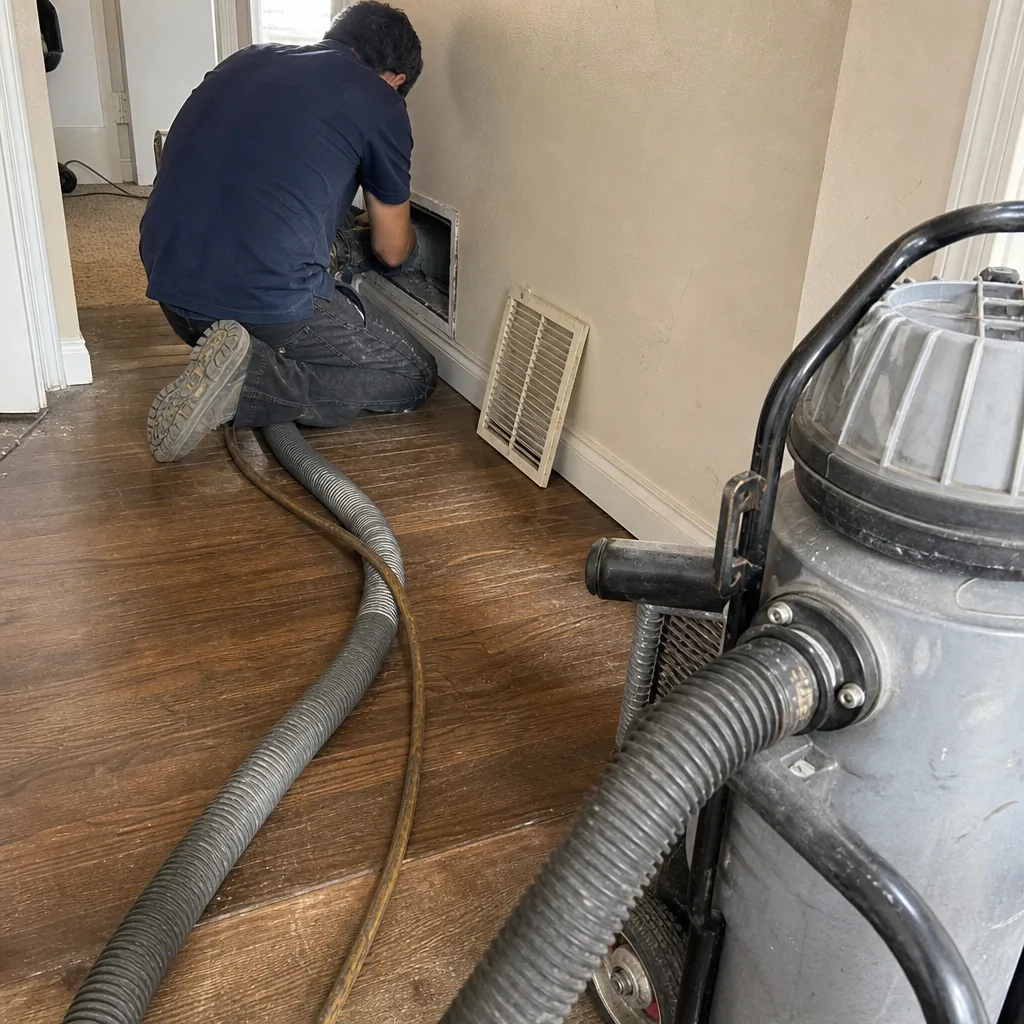 Before
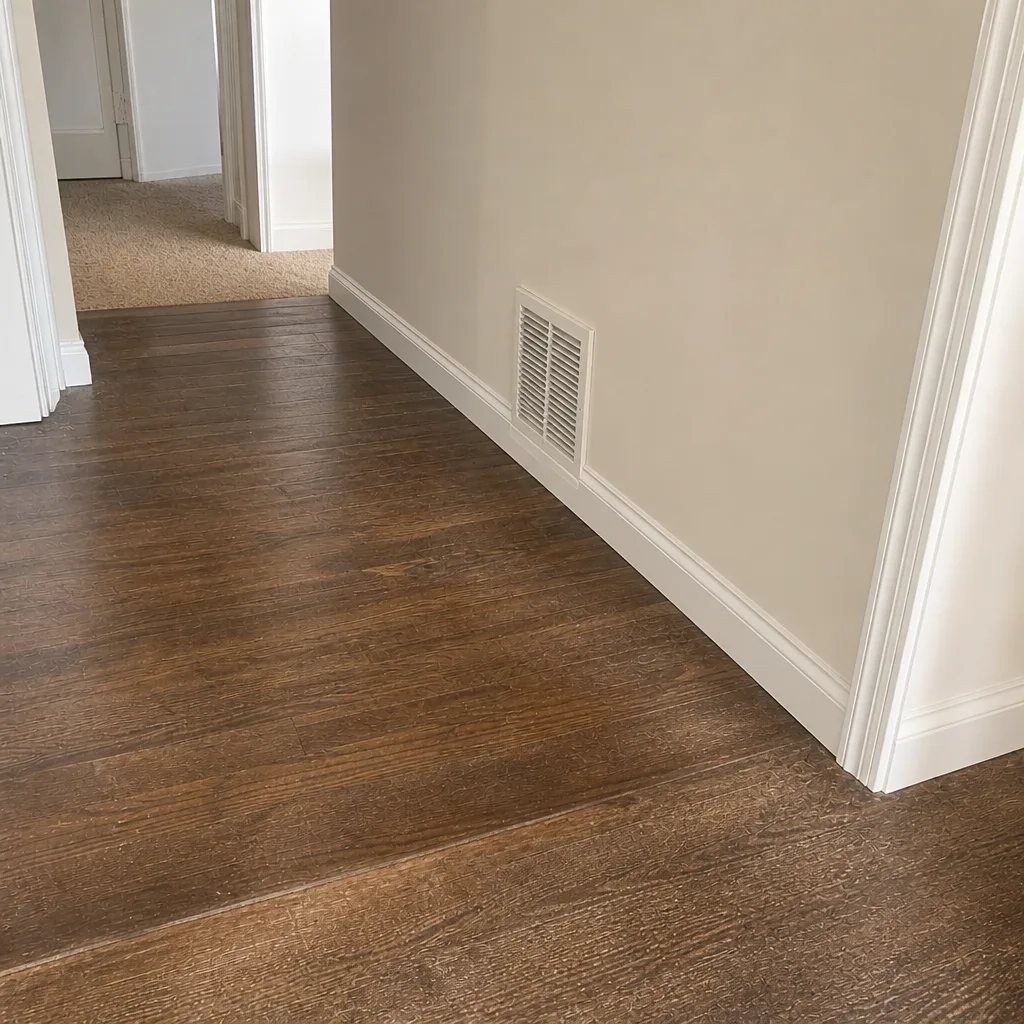 After
Frequently Asked Questions
Most Broomfield homes land on a two-to-three-year professional cleaning interval, with the annual audit deciding which end of that range you’re on. Homes with pets, allergy sufferers, recent construction nearby, or unusually fast filter loading should lean toward two years. Homes on a well-sealed system with a properly sized filter and low dust load can often run closer to three. Call (866) 947-8482 for a free estimate and we’ll give you an honest read on where your system sits.
MERV 8 is a safe baseline for most older systems with 1-inch filter slots. MERV 11 is a reasonable step up where the system has a 4-inch or 5-inch media cabinet. MERV 13 is often too restrictive for an older Broomfield home with a standard blower, because the airflow cost outweighs the particulate gain. Move down a rating, not up, if you’re unsure. Call (866) 947-8482 if you want us to look at the filter slot and blower together during an estimate.
Normal is a light, even dust film inside the register boot, visible with a phone flashlight, with no streaking from the boot into the room. Abnormal is a visible silt coating, a grey haze on the grille fins within two weeks of a wash, or a musty smell on startup. The difference between the two is what should decide whether you’re calling us or waiting for the next scheduled interval.
Ask for before-and-after photos of your own ducts, not stock images. Ask what containment equipment will be used during the work; if the answer is vague, that’s the answer. The Abatement Technologies containment protocols we use are drawn from remediation work, because a duct system that gets stirred up without containment can leave a homeowner worse off than before. Call (866) 947-8482 for a free estimate and we’ll walk you through the process before we start.
Cheap quotes usually reflect one of four shortcuts: no containment equipment, consumer-grade vacuums, no real inspection time, or a single price for one vent that grows into a much larger invoice once the technician is on-site. Our pricing is a flat estimate per system, agreed in writing before work begins, with no per-vent charges. That’s the honest version of the pricing conversation. Call (866) 947-8482 for an exact quote.
Often, yes, because the two are closely linked in any home where a dryer is running several times a week. A restricted dryer vent is a fire risk, not just a performance problem, and it deserves its own annual attention regardless of the duct cleaning schedule. We handle both as part of a full-system service, along with HVAC cleaning, so you’re not booking multiple contractors. Call (866) 947-8482 for a free estimate on the combined scope.
The Bottom Line
Maintenance is what makes a professional duct cleaning last. The checklist is simple: monthly filter and register checks, quarterly grille washing and phone-flashlight inspections of the return closest to the air handler and the supply in your busiest room, and an annual audit that tells you whether you’re on a two-year or three-year cleaning cycle. Get the filter right, and don’t chase a higher MERV rating than your blower can handle. Track loading speed, not the calendar. And when the system needs more than a clean, sealing what’s leaking matters as much as removing what’s there. That’s the Broomfield Air Duct Cleaning approach: clean the system, not just the vents, and fix what we find.
Ready to set up a full-system assessment? Call (866) 947-8482 for a free estimate. We answer 24/7. Fast dispatch from 7am to 7pm, Sunday through Friday. Estimates are free, the price is set per job by the written estimate, and every job comes with before-and-after photos of your own system.
Written by the team at Broomfield Air Duct Cleaning.