
Last updated November 25, 2026
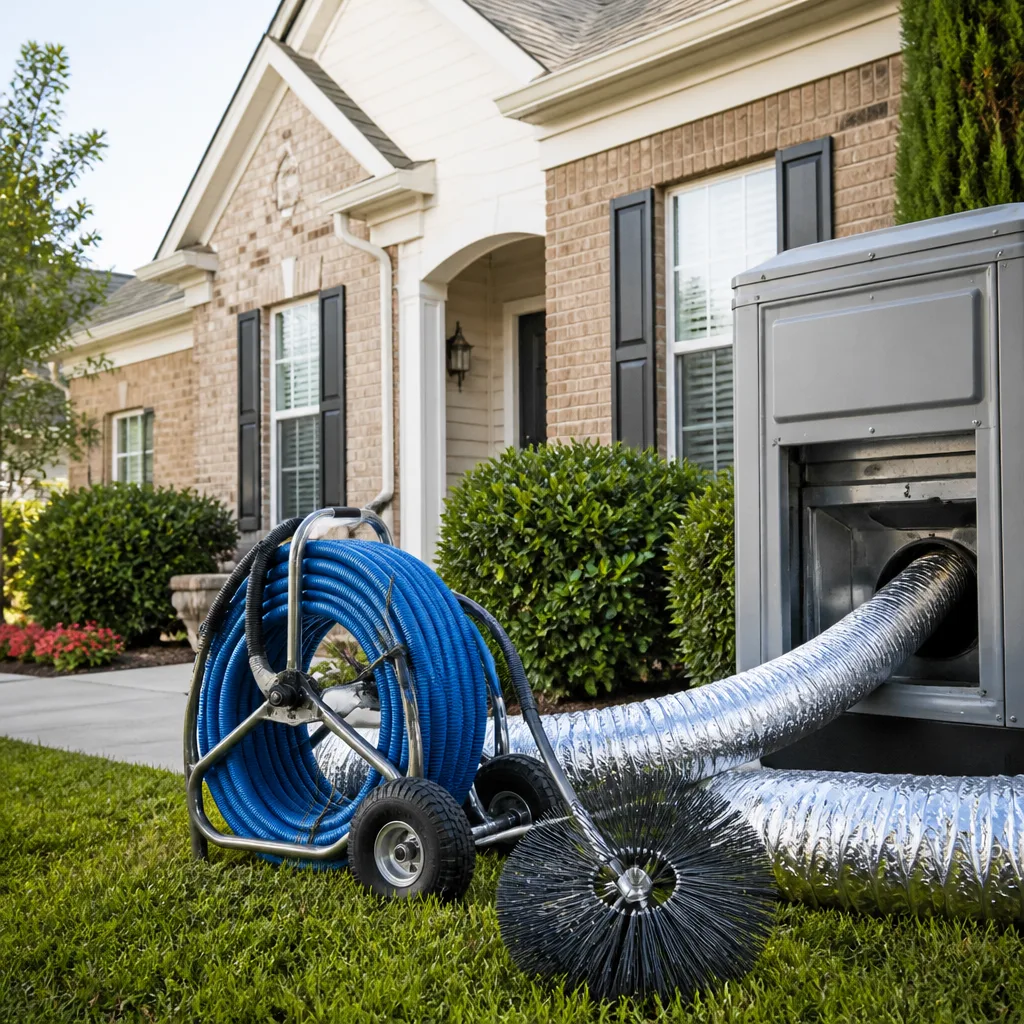 Whole-home duct cleaning
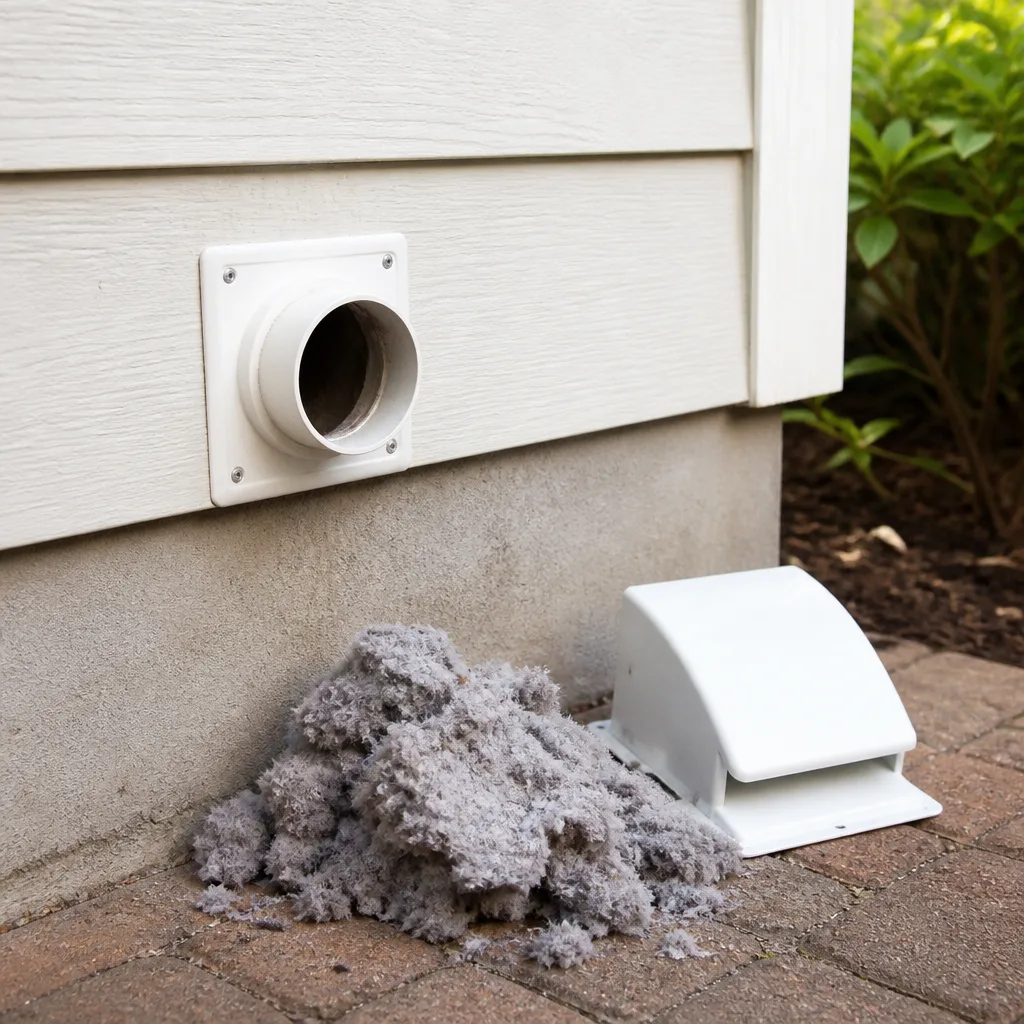 Dryer vent cleaning
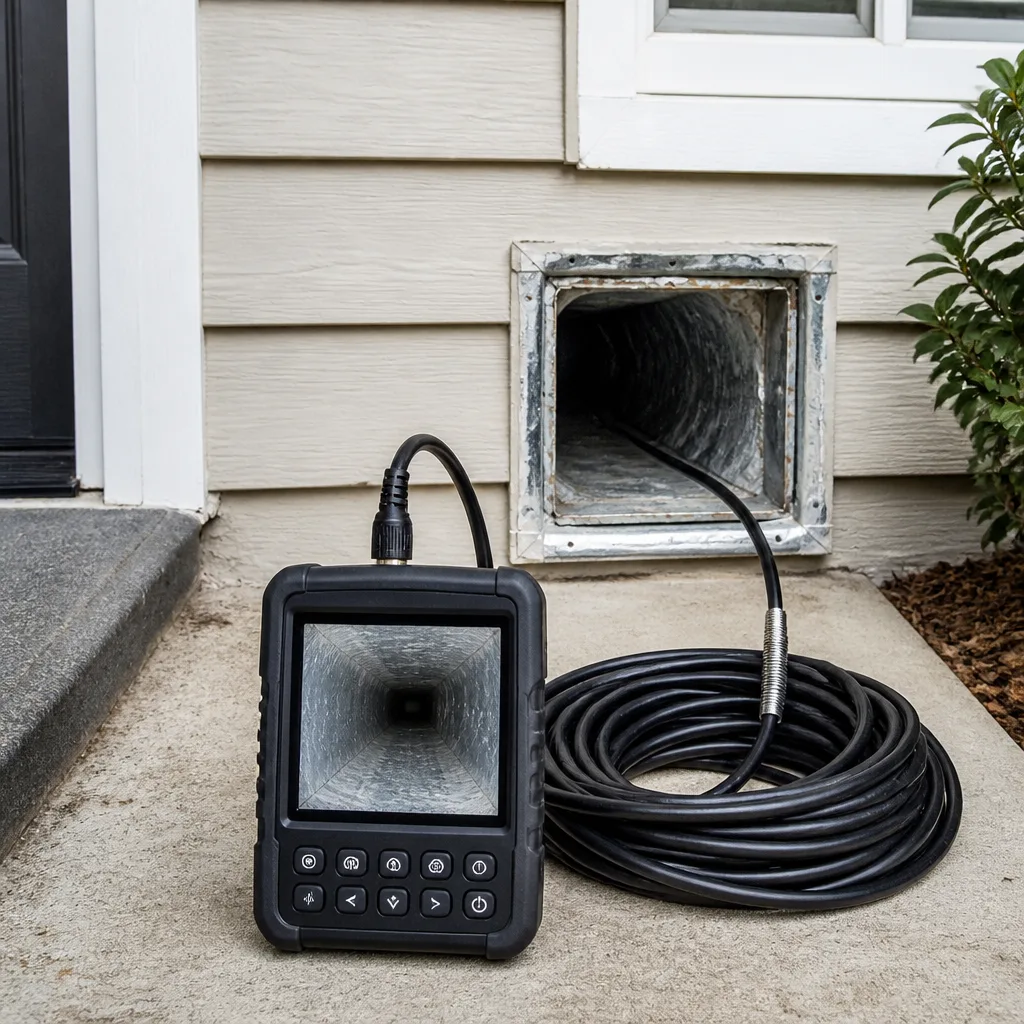 Camera inspection
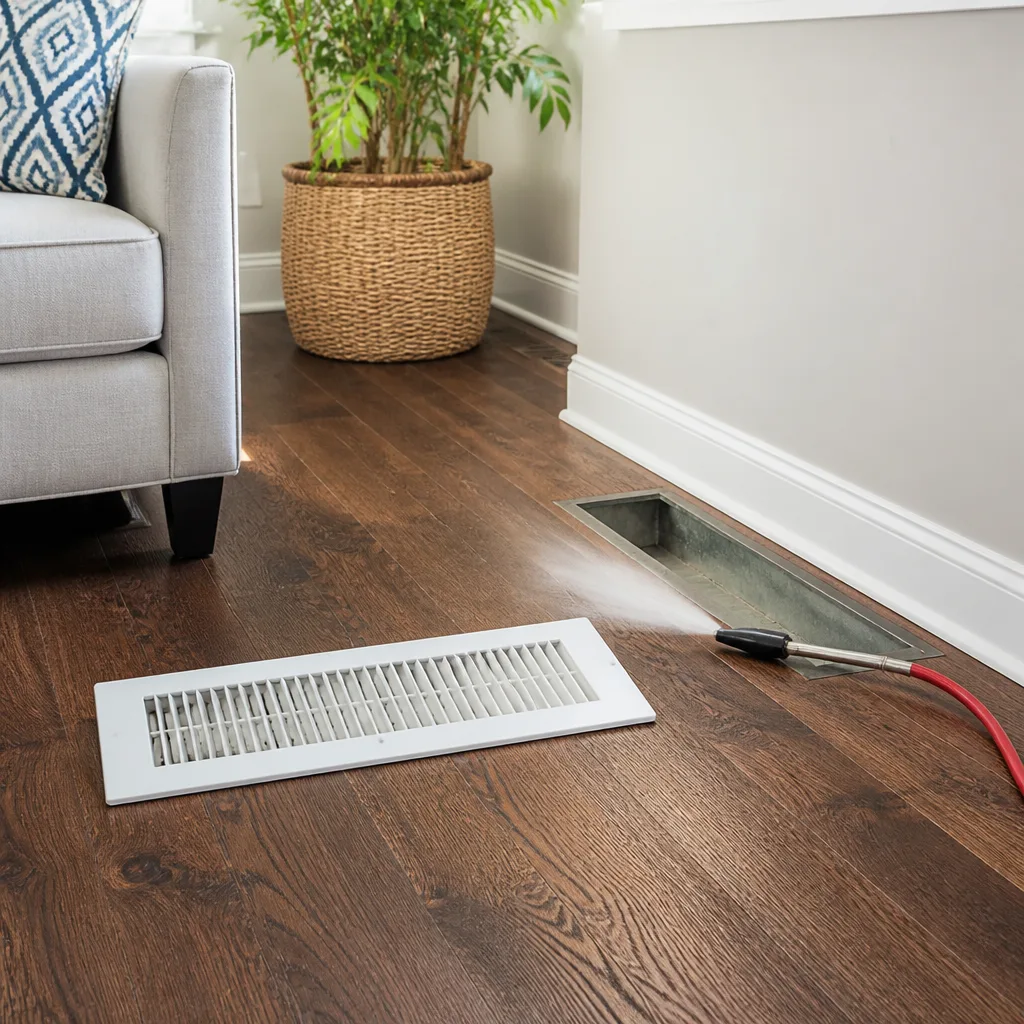 Sanitizing & deodorizing
Whole-system duct and dryer vent check with before-and-after photos - you see exactly what came out of your vents
That "$99 whole-house special" is a bait ad - the real number appears once they are in your hallway, or the "clean" is a shop-vac at the register. We photograph the inside of your ducts before and after instead.
DIY vs Professional Air Duct Cleaning: The Broomfield Homeowner’s Decision Guide
A shop vac and a dryer vent brush can clean the first 18 inches of a supply duct. The average Broomfield supply run is 14 to 22 feet long. That math is the whole DIY vs. professional debate – not skill, not effort, just reach. Most homeowners who pull a vacuum hose into a floor register assume they’ve cleaned their ducts. What they’ve actually done is clean the mouth of a long, branched tunnel system and loosened dust in the process. This guide draws a precise line between what consumer tools can accomplish and what requires truck-mounted negative-pressure equipment, so you can decide based on the outcome you want rather than the money you’ll spend.
Quick Answer
DIY duct cleaning works for the first foot or two of a supply run and for light surface dust near the registers. It cannot reach the full length of a 14-to-22 foot duct, cannot generate the negative pressure that pulls debris out of the system, and cannot clean the plenum, the trunk lines, or the air handler. For a home with more than a light dust film, or one that has never been professionally cleaned, the honest answer is that professional service does a job DIY tools are not built to do.
Styles & brands we work with
- Whole-home duct cleaning
- Dryer vent cleaning
- Camera inspection
- Sanitizing & deodorizing
Table of Contents
- What Consumer Equipment Can and Cannot Reach
- Three Times DIY Is Enough, and Three Times It Backfires
- What DIY Really Costs vs. Professional Service in Broomfield
- Broomfield-Specific Risks: Flex Duct and Fiberglass Liner
- A Decision Framework for Broomfield Homes
- How a Professional Duct Cleaning Actually Works
- Keeping Ducts Clean Between Professional Visits
What Consumer Equipment Can and Cannot Reach
Consumer tools reach about 18 inches into a supply run. The typical Broomfield home built anywhere from the 1970s through the 2010s has supply runs averaging 14 to 22 feet from the trunk line to the register boot. That gap – 12 to 20 feet of duct – is where most of the settled debris lives. Air slows as it moves down the run, dust drops out of suspension, and the largest accumulation collects farthest from the register, exactly where a homeowner can’t see it or reach it.
What consumer equipment can reach
- The register boot and the first 12 to 18 inches of the supply run
- Loose dust on the register face and grille
- The return air grille and the first foot of the return drop
- Light surface dust on the air handler access panel
- The dryer vent, in most cases, when the run is short and straight
What consumer equipment cannot reach
- The full length of a 14-to-22 foot supply run
- The trunk line and plenum above the air handler
- The inside of the air handler cabinet and the evaporator coil
- Branch takeoffs and the corners where debris collects
- Flex duct interior corrugations that trap dust in every fold
- The return drop and return trunk, which carry the heaviest dust load
There’s a structural reason for this. Professional air duct cleaning relies on two things a shop vac can’t produce: a rotary brush on a flexible whip that travels the full length of the run, and negative pressure from a truck-mounted vacuum that keeps loosened debris moving toward the collection point instead of into the living space. Rotobrush and Nikro systems are built for exactly this – a rotating brush head on a flexible shaft that reaches the full run, matched to high-CFM vacuum. A consumer vacuum moves maybe 150 to 250 cubic feet per minute at the hose. Professional negative-pressure units run well above that, so the pressure differential is what keeps the debris moving out rather than settling back.
We’ve watched this play out across Broomfield more times than we can count. A homeowner rents a vacuum, cleans the registers, thinks the ducts are clean, and then schedules a professional cleaning a year later out of frustration. The first 18 inches are spotless. The other 16 feet are not.
Three Times DIY Is Enough, and Three Times It Backfires
The DIY decision isn’t all-or-nothing. There are specific scenarios where a homeowner genuinely can do the work well, and specific scenarios where attempting it makes the problem worse by redistributing debris through the system. Here’s the honest breakdown.
Three times DIY cleaning is genuinely appropriate
- Light surface dust in a newer home with metal duct. A home built in the last 10 to 15 years with rigid metal duct, cleaned professionally at least once, and showing only light dust at the registers is a candidate for register-level DIY upkeep between professional visits.
- Register face and return grille dust. Wiping down the register faces and grilles, and vacuuming the first foot of the return drop, removes visible dust without disturbing anything deep in the system.
- A short, straight dryer vent run. A dryer vent that exits the wall within a few feet of the dryer, with no elbows, can often be cleared with a proper dryer vent brush kit. Anything beyond that – long runs, multiple elbows, roof terminations – should go to a professional, and dryer vent cleaning is one place where doing it wrong is a fire risk, not just a dust problem.
Three times DIY cleaning makes the problem worse
- Heavy accumulation in an older home. A Broomfield home that has never had a professional cleaning, or one built before the mid-1990s, usually has compacted debris bonded to the duct walls. Consumer vacuum pressure won’t move it. What it will do is break the bond on the top layer and blow that loosened dust into the living space through every register.
- Flex duct in any condition. Flex duct has a corrugated interior that traps dust in every fold. A homeowner brushing it aggressively will tear the liner and create a leak – and now you have a duct that needs repair, not just cleaning.
- Any system with visible mold, pest activity, or a musty smell at the registers. These aren’t cleaning problems, they’re contamination problems. Consumer equipment doesn’t contain contaminants. It disturbs them. Professional containment with Abatement Technologies protocols keeps what’s loosened from recirculating into the space you live in.
The pattern here is simple. DIY cleaning is fine when the system is already clean and you’re doing upkeep. It stops being fine the moment you’re trying to solve a problem rather than maintain a solution.
What DIY Really Costs vs. Professional Service in Broomfield
DIY duct cleaning looks cheaper at the register. It rarely is once you account for equipment rental, time, and the probability you’ll need a professional anyway. Here’s the honest breakdown.
- Equipment rental (shop vac or duct cleaning kit): $40-$90 for a day rental at a home improvement store, or $80-$200 to buy a consumer duct brush kit.
- Time: Four to eight hours of homeowner labor for a typical Broomfield three-bedroom home, assuming the homeowner is comfortable moving furniture and accessing registers.
- Cleanup: Two to three hours of post-cleaning dust removal from surfaces, because consumer vacuums don’t contain the fine particulate they loosen.
- Probability of needing a professional anyway: High if the home has never been professionally cleaned, the duct is flex, or the system has symptoms beyond light dust.
Professional HVAC cleaning includes the air handler and coil, not just the ducts, and that’s part of what makes the professional cost worth it. A coil that’s coated in dust loses efficiency. Cleaning one without the other leaves the source of the dust in place.
We don’t quote prices here because every Broomfield home is different. What we will say: the estimate is free, and one flat price per system is agreed before work starts. That eliminates the bait-and-switch model where a coupon price becomes a much larger invoice once the technician is on site, which is the real reason a lot of Broomfield homeowners hesitate to call anyone. We give whole-system pricing up front and show before-and-after photos of your own ducts at the end, so you can verify the work rather than take it on faith.
Compare that to what a homeowner gives up when DIY fails: the rental fee, the hours, the dust cleanup, and the eventual professional call. The cheapest duct cleaning is the one that actually cleans the ducts – not the one that costs the least before you find out it didn’t.
Broomfield-Specific Risks: Flex Duct and Fiberglass Liner
Not every duct system tolerates aggressive cleaning. Two materials common in Broomfield homes – flex duct and fiberglass liner – are the ones most likely to be damaged by the kind of vigorous brushing a homeowner reaches for when the ducts look bad.
Flex duct fails under aggressive brushing
Flex duct is the silver, corrugated-looking hose that connects a rigid trunk line to a supply register. It’s common in Broomfield homes from the 1980s through today, because it’s fast to install and cheaper than metal. The problem is the interior. The corrugations that give it flexibility also trap dust in every fold, and the inner liner is thin. A consumer brush on a flexible rod caught on a corrugation can tear that liner, and then you have a leak – warm air escaping into a crawlspace or wall cavity, and a duct that needs repair rather than cleaning.
Professional-grade equipment is designed for flex duct specifically. Rotobrush rotary heads and whip systems use controlled rotation rather than brute force, so the liner survives. That’s the difference between cleaning the system and damaging it.
Fiberglass liner sheds particles when disturbed
Some duct systems – especially in older homes and in certain commercial setups – use internal fiberglass duct board or fiberglass liner for sound and thermal insulation. When that material is disturbed, the liner can shed particles into the airstream. A homeowner brushing a fiberglass-lined duct can send fiberglass particles through the house, which is exactly the opposite outcome of cleaning. Professional containment with Abatement Technologies equipment catches the particles before they spread, and the technician knows when to switch from rotary to a softer cleaning method.
The Broomfield climate factor
Broomfield sits on the Front Range, in one of the driest climate zones in the country. Low indoor humidity most of the year means duct dust tends to be light and easily airborne rather than clumped, so when DIY cleaning disturbs it, more of it goes into the air and settles on surfaces than a homeowner expects. Add the seasonal swings – hot, dry summers and cold, windy winters with forced-air heat running hard – and the system cycles a lot of air through a lot of dust. The duct dust load in a Broomfield home can be higher than a homeowner assumes, because the climate keeps it airborne and the HVAC system keeps pulling it in.
That’s one reason our technicians use Guardsman-grade surface and protection standards during service visits. Finished spaces get protected before work starts, so the containment protocol isn’t just about the ducts – it’s about the home.
Our technicians have up to 8 years of experience with these systems, and we’ve seen what flex duct and fiberglass liner look like after a failed DIY attempt. It’s not dramatic. It’s a homeowner who’s frustrated three days later because the musty smell came back, and the answer turns out to be a duct tear that needs repair and sealing, not more cleaning. We fix what we find – our technicians identify and repair those leaks on the spot rather than walking past them.
A Decision Framework for Broomfield Homes
The decision tips toward a professional the moment your situation matches more than one of these thresholds. Here’s a framework based on four factors: home age, duct material, last cleaning date, and current symptoms.
Factor 1: Home age
- Built in the last 10 to 15 years: The system is likely still clean enough for register-level DIY upkeep if it was professionally cleaned at least once.
- Built between 1980 and 2010: Likely flex duct in part of the system and moderate dust accumulation. Professional cleaning is the safer call.
- Built before 1980: Likely rigid metal with years of accumulated dust, and possible fiberglass liner. Professional cleaning is almost always the right call.
Factor 2: Duct material
- Rigid metal throughout: Tolerates more aggressive cleaning and is a better candidate for DIY upkeep.
- Any flex duct: DIY brushing is a tear risk. Professional rotary equipment is the safer option.
- Fiberglass liner or duct board: DIY cleaning risks shedding particles. Professional containment is essential.
Factor 3: Last cleaning date
- Professionally cleaned within two years: DIY register upkeep is enough.
- Cleaned three to five years ago: A professional refresh is worth scheduling.
- Never cleaned, or unknown: Professional cleaning is the starting point, not the upgrade.
Factor 4: Current symptoms
The strongest tip is symptom-based. If you notice any of these, DIY cleaning won’t solve it:
- Visible dust blowing out of registers when the system turns on
- A musty or stale smell when the heat or AC runs
- Allergy or respiratory symptoms that get worse indoors
- Uneven airflow room to room, suggesting a leak or blockage
- Visibly dusty or dirty surfaces near returns
- Pest droppings or evidence of rodent activity in the ductwork
Any symptom on that list points at a problem deep in the system. The answer isn’t a shop vac – it’s a professional assessment, and often a repair. We offer duct repair and sealing alongside cleaning, which means the leaks most cleaners walk past get caught and fixed on the same visit instead of leaving you with a cleaning bill and an airflow problem.
How a Professional Duct Cleaning Actually Works
Understanding the process is part of deciding whether to call. Here’s what a proper professional cleaning involves, step by step, for a typical Broomfield home.
- System assessment. The technician inspects the duct material, the air handler, the trunk lines, and the supply runs to identify the cleaning method and any leaks that need repair.
- Containment setup. Abatement Technologies containment equipment is placed at the registers and access points so loosened contaminants are captured rather than released into the living space.
- Negative pressure. A truck-mounted vacuum is connected to the system, creating negative pressure that keeps debris moving toward the collection point throughout the cleaning.
- Rotary cleaning. Rotobrush and Nikro rotary brush heads travel the full length of each supply and return run, breaking up bonded dust without damaging the duct material.
- Air handler and coil cleaning. The air handler cabinet, blower, and evaporator coil are cleaned, since these are where the dust comes from in the first place.
- Repair and sealing. Any leaks, tears, or disconnected joints found during the cleaning are repaired and sealed on the spot.
- Air quality upgrade (optional). Aprilaire and Honeywell air-quality products – filtration, humidification, and ventilation – can be installed in the same visit, so the system is cleaned and upgraded without a second appointment.
- Verification and photos. Before-and-after photos of your own ducts are shown so you can verify the work rather than take it on faith.
That eight-step process is what “professional duct cleaning” means when it’s done right. A company that shows up with a shop vac and skips steps two, three, and four isn’t doing the same job – it’s offering a deeper version of what you could do yourself. The equipment distinction is what separates a real cleaning from a surface pass, which is why we name the actual systems we use: Rotobrush and Nikro, the same equipment commercial HVAC contractors rely on.
For property managers responsible for multiple units, the same process applies per system, and one flat price per system keeps the budgeting predictable. Broomfield Air Duct Cleaning provides this service for both residential and commercial properties in the area.
Keeping Ducts Clean Between Professional Visits
What you do between cleanings determines how long the result lasts. These habits make a real difference in a Broomfield home.
- Change the HVAC filter on schedule. A clogged filter stops capturing dust, which sends it into the ducts instead. A filter that fits correctly and gets changed on the manufacturer’s schedule is the single most effective thing a homeowner can do.
- Vacuum registers and grille faces monthly. This is DIY cleaning where DIY genuinely works – surface dust at the register has nowhere deep to go.
- Keep the return grilles clear. Furniture blocking a return forces the system to pull air through leaks, which pulls in dust from wall cavities and attics.
- Check the dryer vent periodically. Lint accumulation reduces dryer efficiency and is a fire risk. A short, straight run can be DIY-maintained; anything longer should be professionally cleared.
- Address moisture promptly. Broomfield’s dry climate keeps indoor humidity low most of the year, but a plumbing leak or a persistently damp basement can grow mold in the ductwork. Fix the source before the ducts become the problem.
- Watch for new symptoms. A smell or airflow change that appears suddenly usually points at a leak or a pest issue, and both need professional repair, not more cleaning.
Duct repair and sealing matters for maintenance because leaks defeat the whole purpose. A system that leaks 15 percent of its air through disconnected joints in a crawlspace pulls dust in from every one of those gaps. Sealing the leaks addresses energy loss and re-contamination at the source, which is why the repair step isn’t optional for a system that’s going to stay clean.
Common Mistakes to Avoid
- Assuming “cleaned the first 18 inches” means “cleaned the ducts.” It doesn’t, and the gap between 18 inches and 22 feet is where the problem lives.
- Using a shop vac on flex duct without a soft brush head. The corrugated liner tears easily, and a tear turns a cleaning job into a repair job.
- Brushing a fiberglass-lined duct. The liner sheds particles when disturbed, and those particles go into the airstream you breathe.
- Cleaning only the supply side. Returns carry the heaviest dust load in most Broomfield homes and are the first place a professional cleans.
- Cleaning ducts without cleaning the air handler and coil. The air handler is the source of the dust; clean the ducts and skip the coil and the dust comes right back.
- Skipping containment. A cleaning that loosens debris without capturing it redistributes contaminants into the living space – the opposite of the goal.
- Choosing the lowest quote without asking what equipment it uses. A coupon price often means a shop vac, not truck-mounted negative pressure, and you’re paying for a better version of what you could do yourself.
See the difference
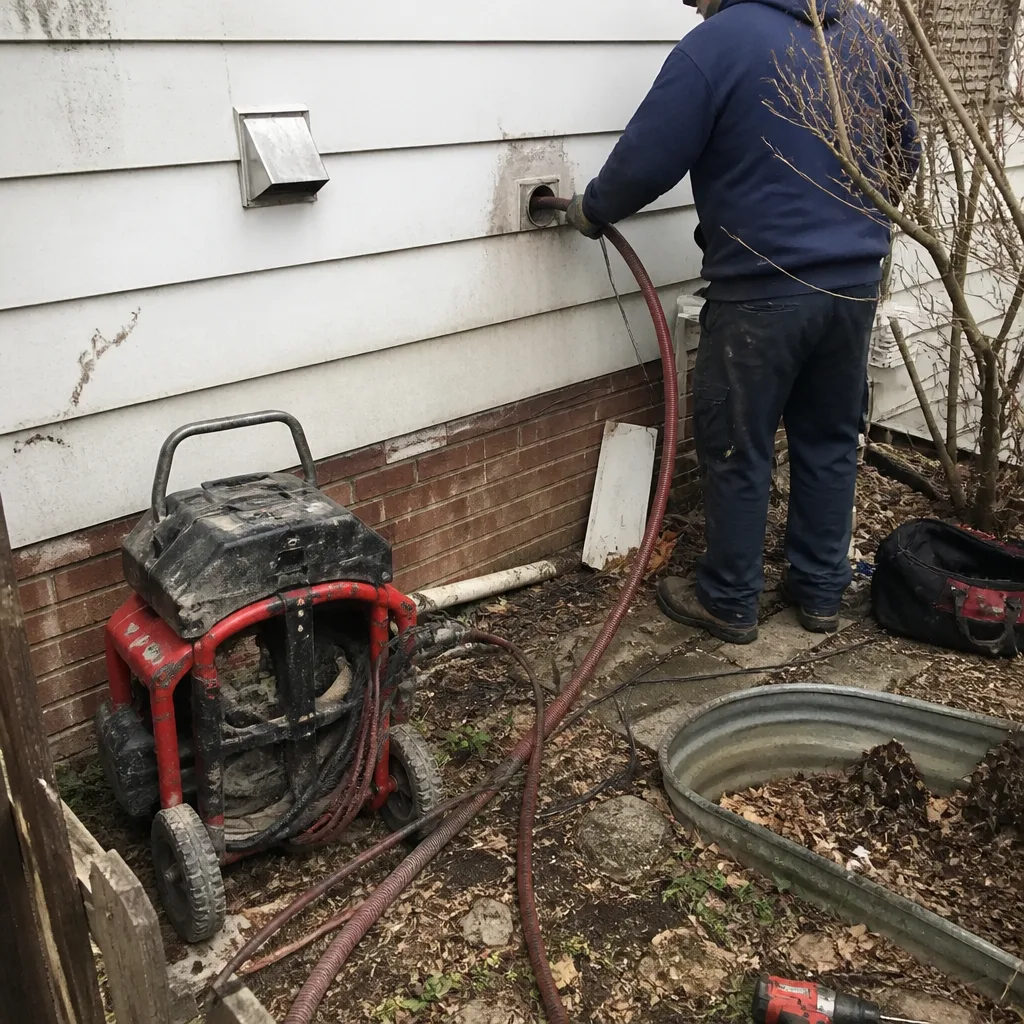 Before
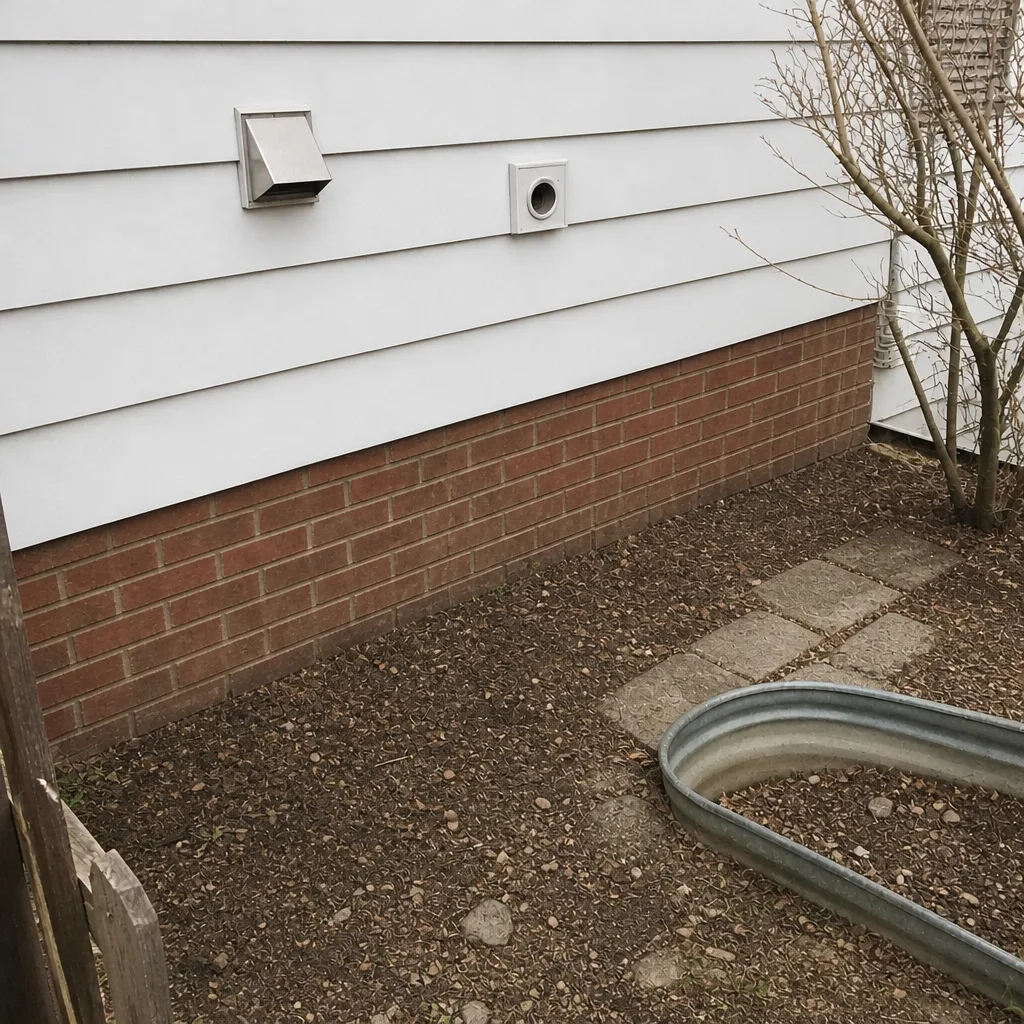 After
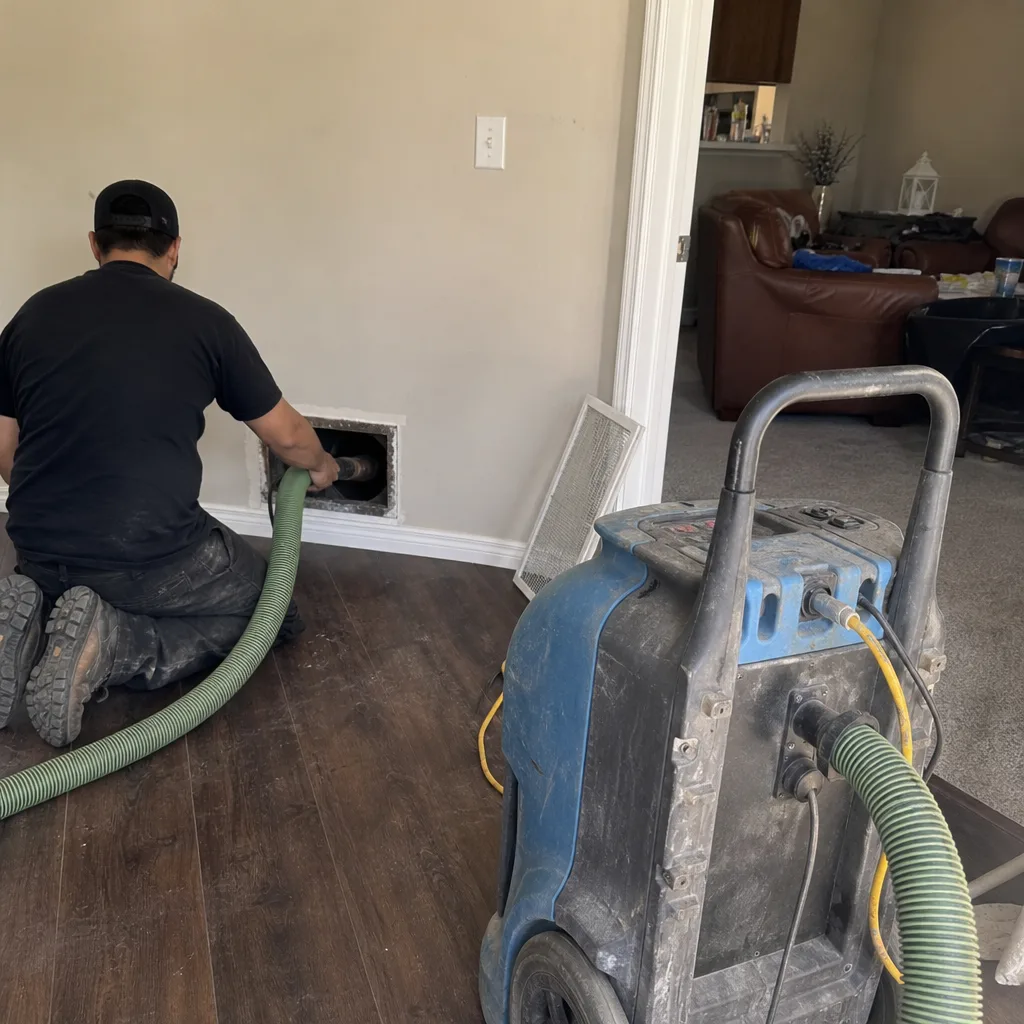 Before
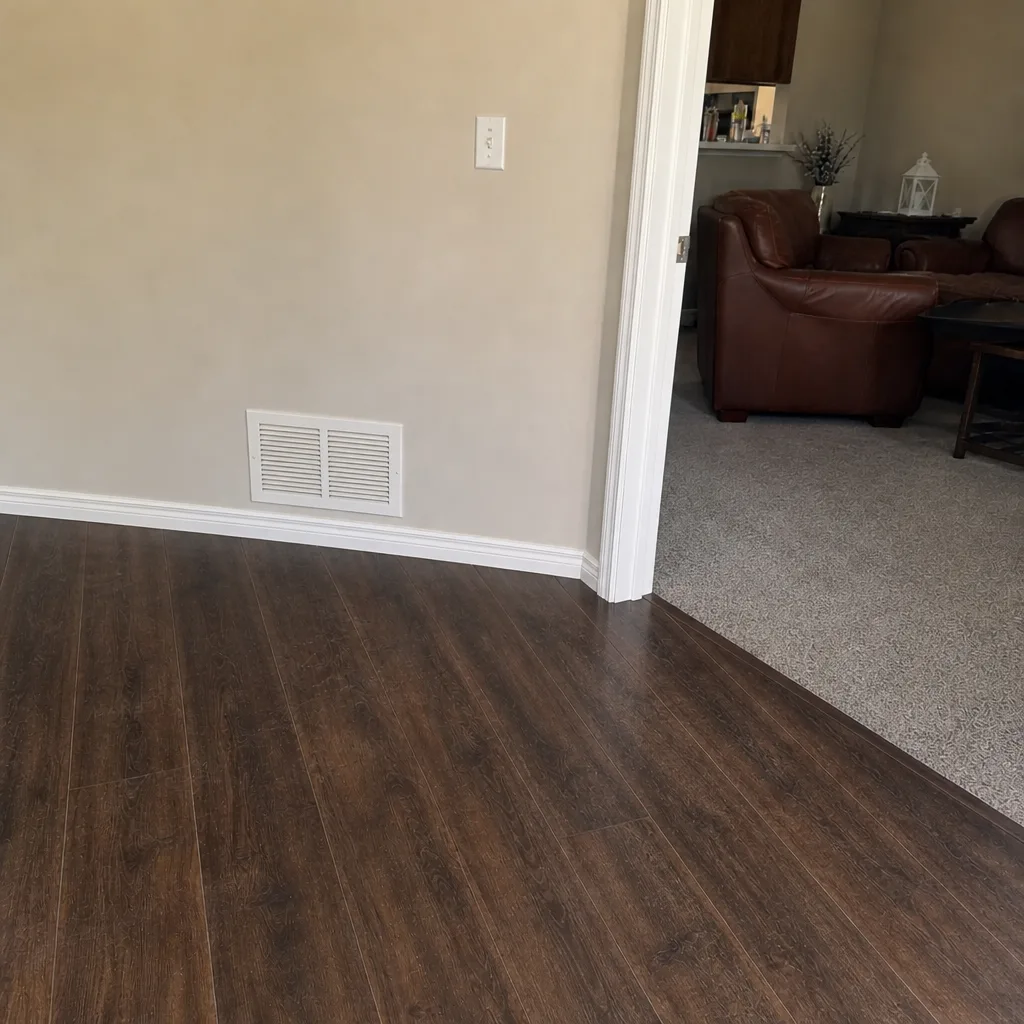 After
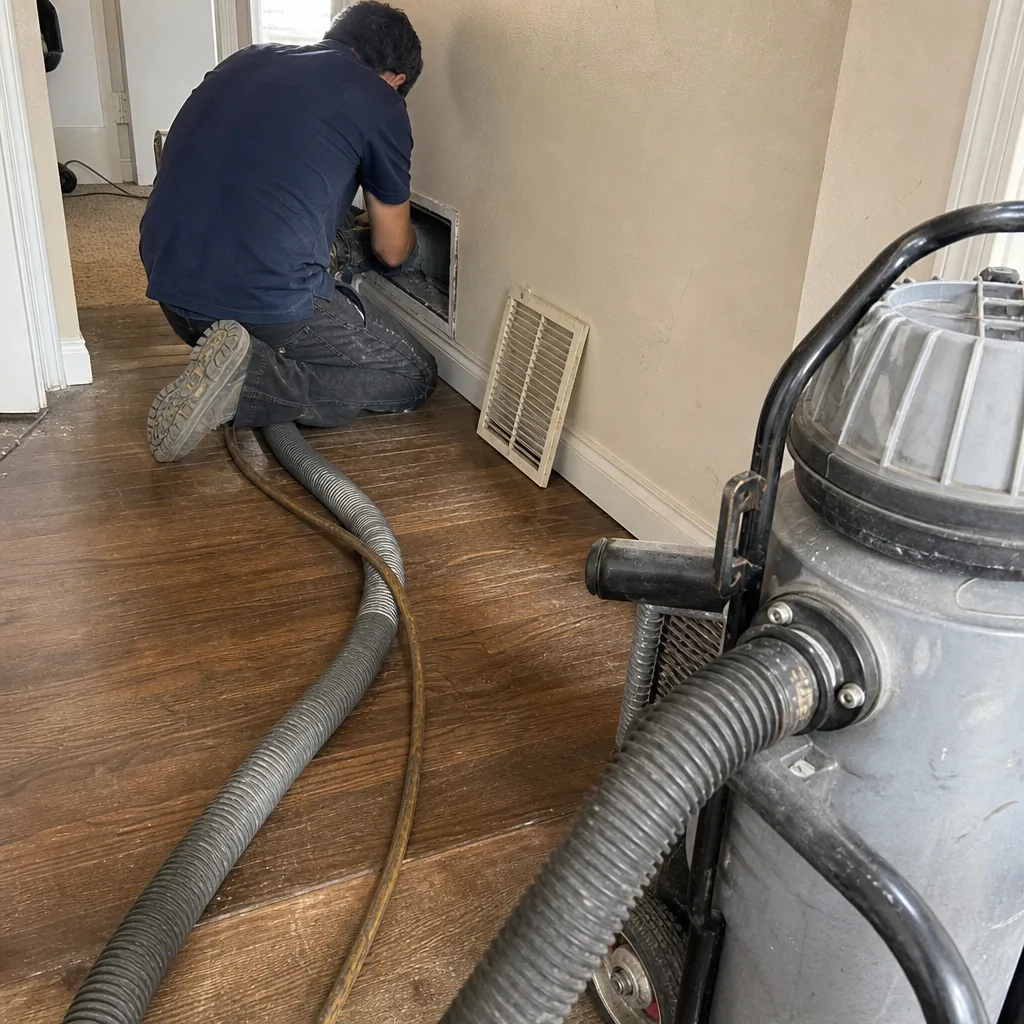 Before
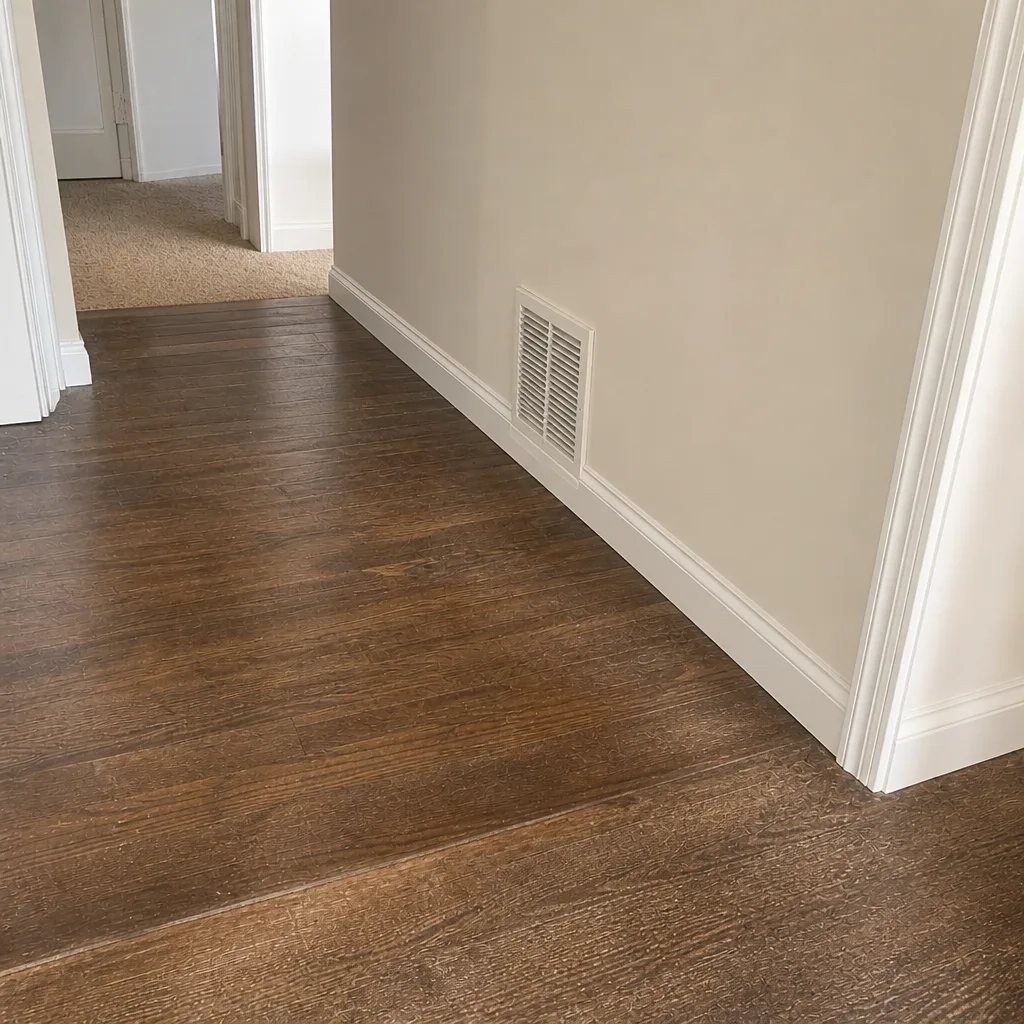 After
When to Call a Professional
Call a professional when your home matches any of these: it’s never had a professional cleaning, the duct system includes flex duct or fiberglass liner, you’re seeing symptoms like dust blowing from registers or a musty smell when the system runs, or the last cleaning was more than three years ago in an older Broomfield home. Call sooner if you notice pest activity or visible mold. Those aren’t maintenance situations – they’re contamination situations that need containment and repair, not a surface pass. Broomfield Air Duct Cleaning offers free estimates in Broomfield – call (866) 947-8482. We answer 24/7. Fast dispatch from 7am to 7pm, Sunday through Friday.
Frequently Asked Questions
Whole-system cleaning for a typical Broomfield home is priced per system, not per vent, and the written estimate sets the final price. We don’t quote a number here because every system is different – the size of the home, the number of runs, and whether repair and sealing are needed all affect the job. Call (866) 947-8482 for a free estimate – estimates are free.
Cheap quotes usually mean the company isn’t doing the same job – no truck-mounted negative pressure, no containment, and no rotary cleaning of the full duct run. A low coupon price that becomes a much larger invoice once the technician is on site is the most common complaint in this industry. One flat price per system agreed before work starts is the honest way to quote, and that’s how we do it. Call (866) 947-8482 for an exact quote.
Ask for before-and-after photos of your own ducts, not stock photos. A company that can show you the inside of your system before and after cleaning has nothing to hide. We take before-and-after photos on every job for exactly this reason. Call (866) 947-8482 and ask what verification they provide before booking.
Most Broomfield homes benefit from professional cleaning every three to five years, depending on home age, duct material, and whether pets or allergies are in the household. Newer homes with metal duct and good filtration can go longer. Homes with flex duct, fiberglass liner, or a history of pest activity need it more often. Call (866) 947-8482 for an assessment if you’re unsure where yours falls.
You can clean the register face and the first 12 to 18 inches of a supply run, and that’s worth doing. You cannot reach the other 12 to 20 feet of a typical Broomfield run, and a shop vac doesn’t generate enough negative pressure to pull debris out of the system. Careful effort doesn’t close the reach gap. Call (866) 947-8482 if you want to know what a full-system cleaning would cover for your home.
Duct cleaning reduces the dust and particulate load the HVAC system cycles through the home, which is the relevant factor for anyone with indoor allergy symptoms. It’s not a medical treatment, but a system carrying less dust is a system reintroducing less dust into the air you breathe. Containment during cleaning matters as much as the cleaning itself, which is why we use Abatement Technologies protocols. Call (866) 947-8482 for a free estimate.
The Bottom Line
DIY duct cleaning has a real but narrow role: register faces, the first foot of a return drop, and a short dryer vent. Beyond that line, consumer equipment can’t reach the full 14-to-22 foot supply run, can’t generate the negative pressure that pulls debris out, and can’t safely handle flex duct or fiberglass liner without risking damage. The decision framework is straightforward – if your Broomfield home is older, has flex or fiberglass duct, has never been professionally cleaned, or shows symptoms like musty smells or dust at the registers, professional service does the job consumer tools aren’t built to do. If you’re on the fence, a free estimate settles it. Call (866) 947-8482. We answer 24/7. Fast dispatch from 7am to 7pm, Sunday through Friday.
Written by the team at Broomfield Air Duct Cleaning.