
Last updated November 25, 2026
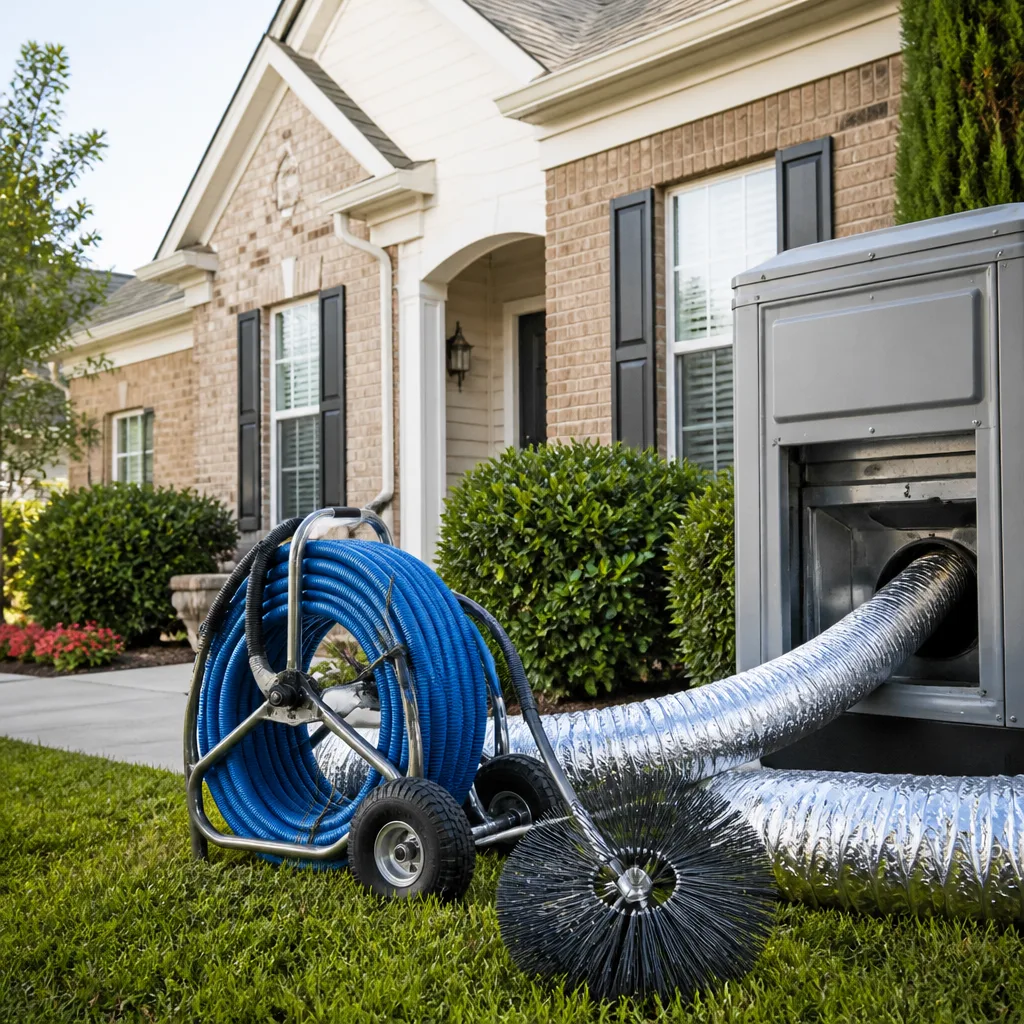 Whole-home duct cleaning
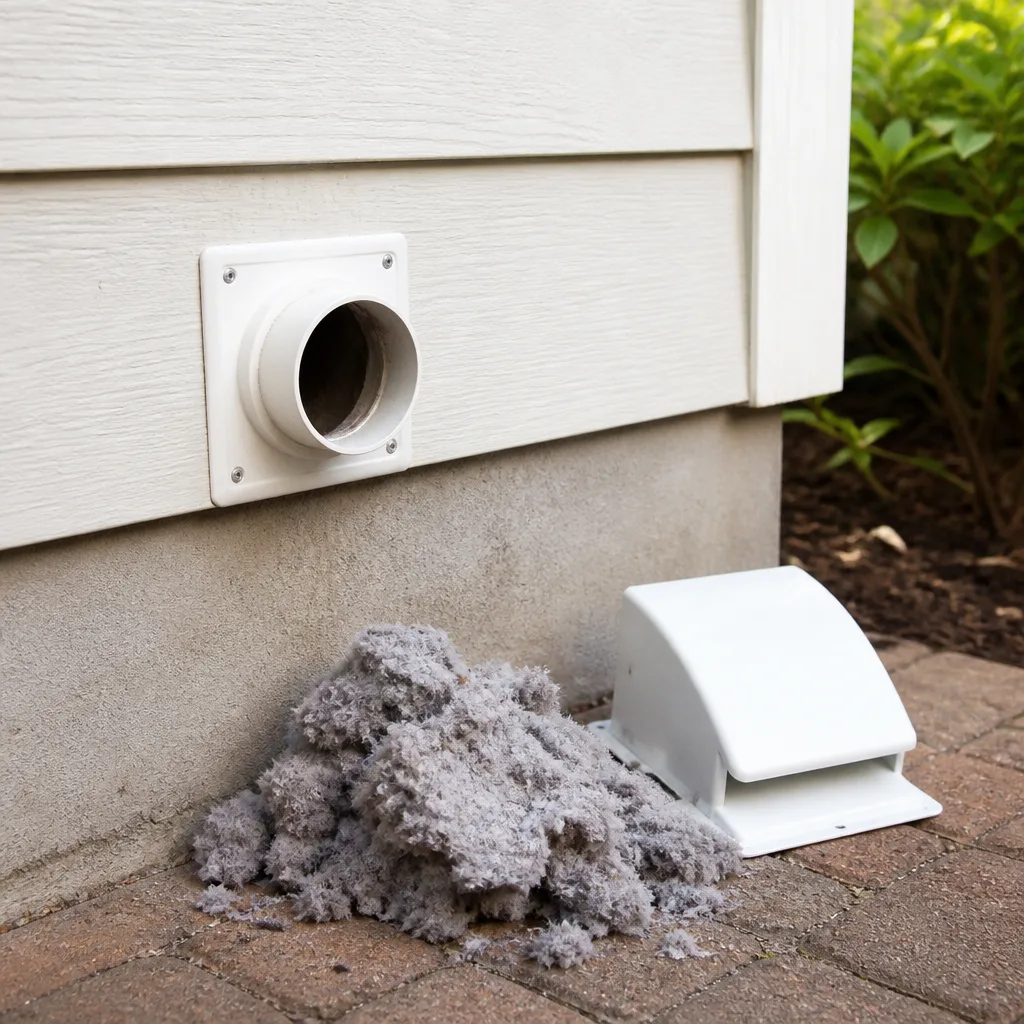 Dryer vent cleaning
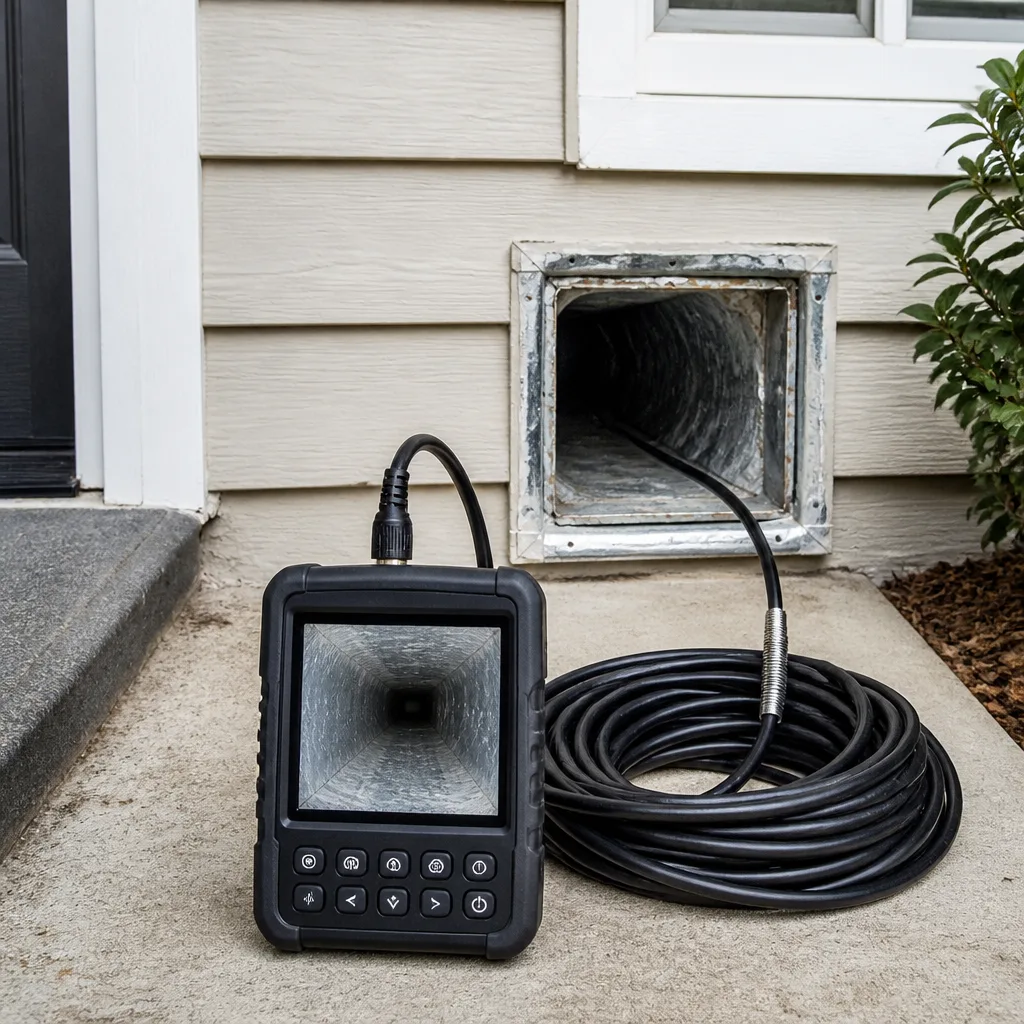 Camera inspection
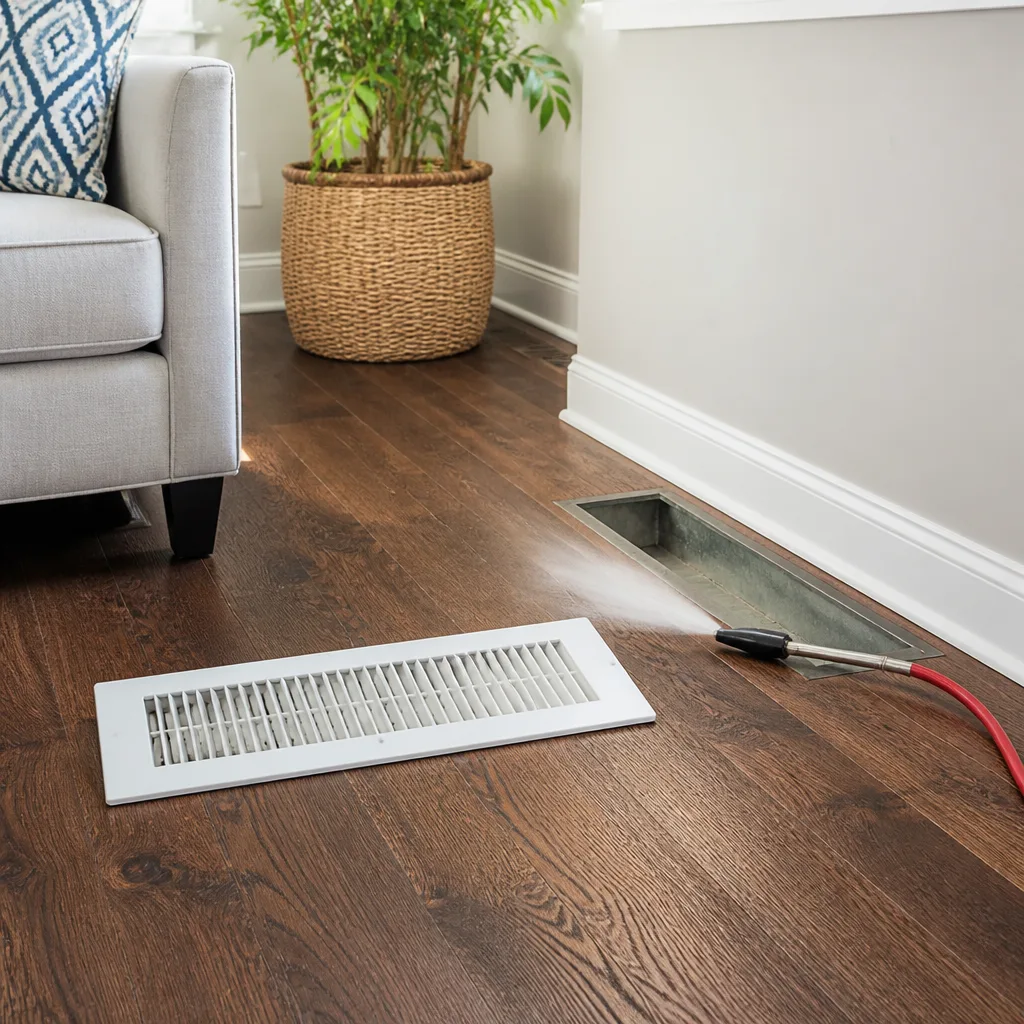 Sanitizing & deodorizing
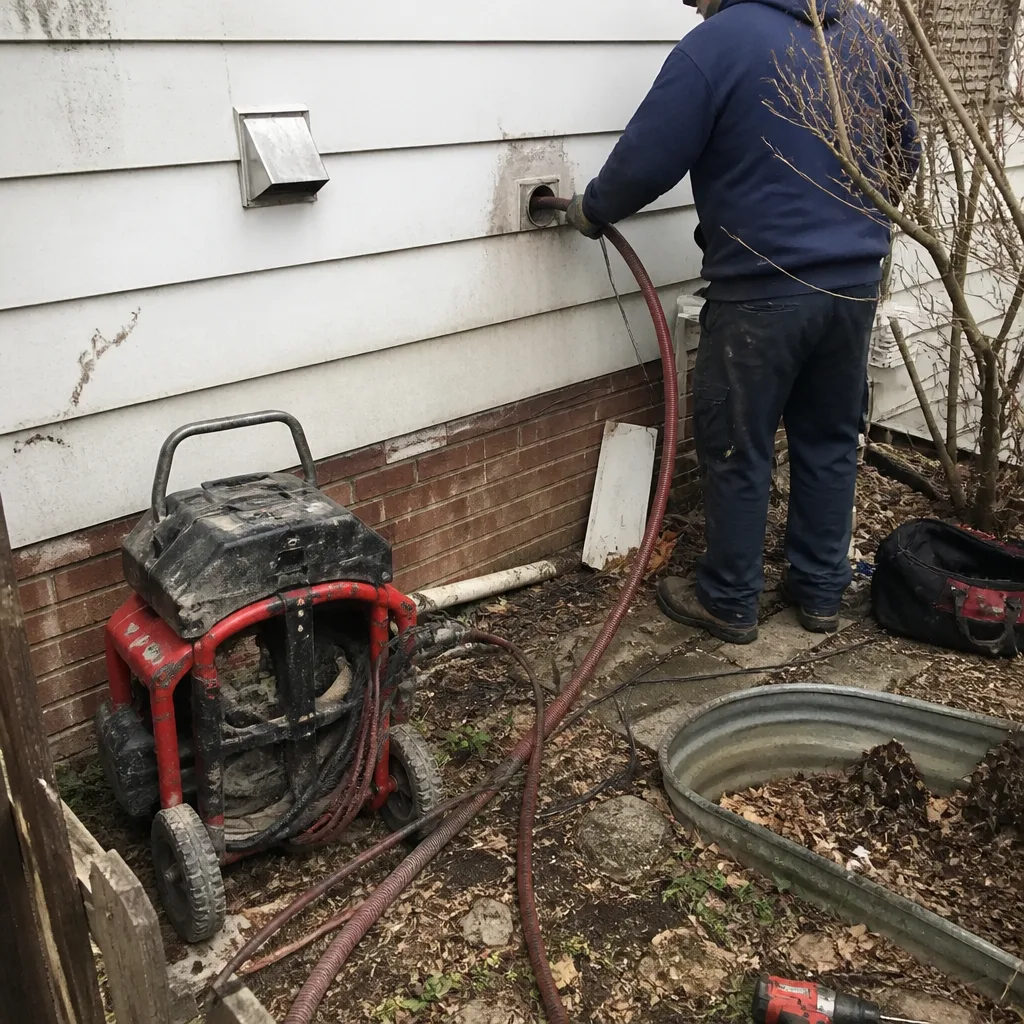
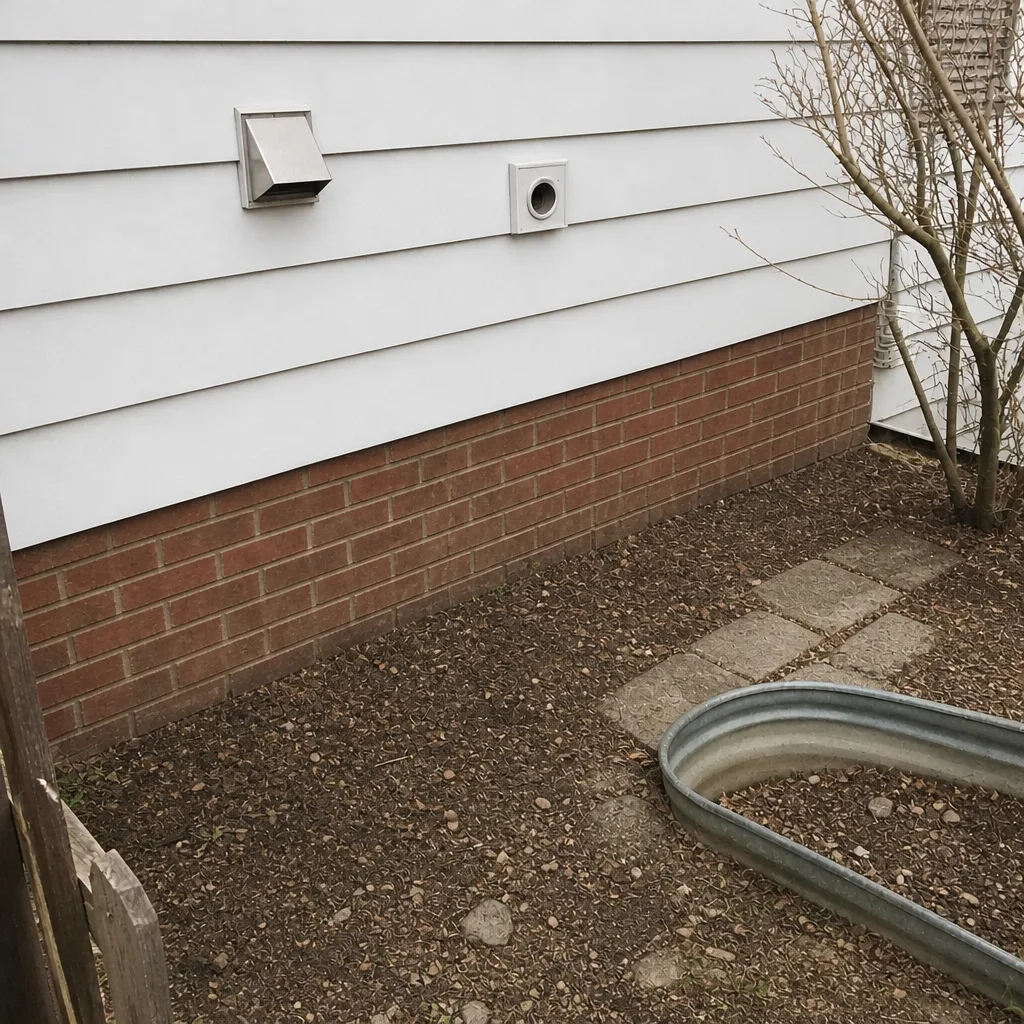
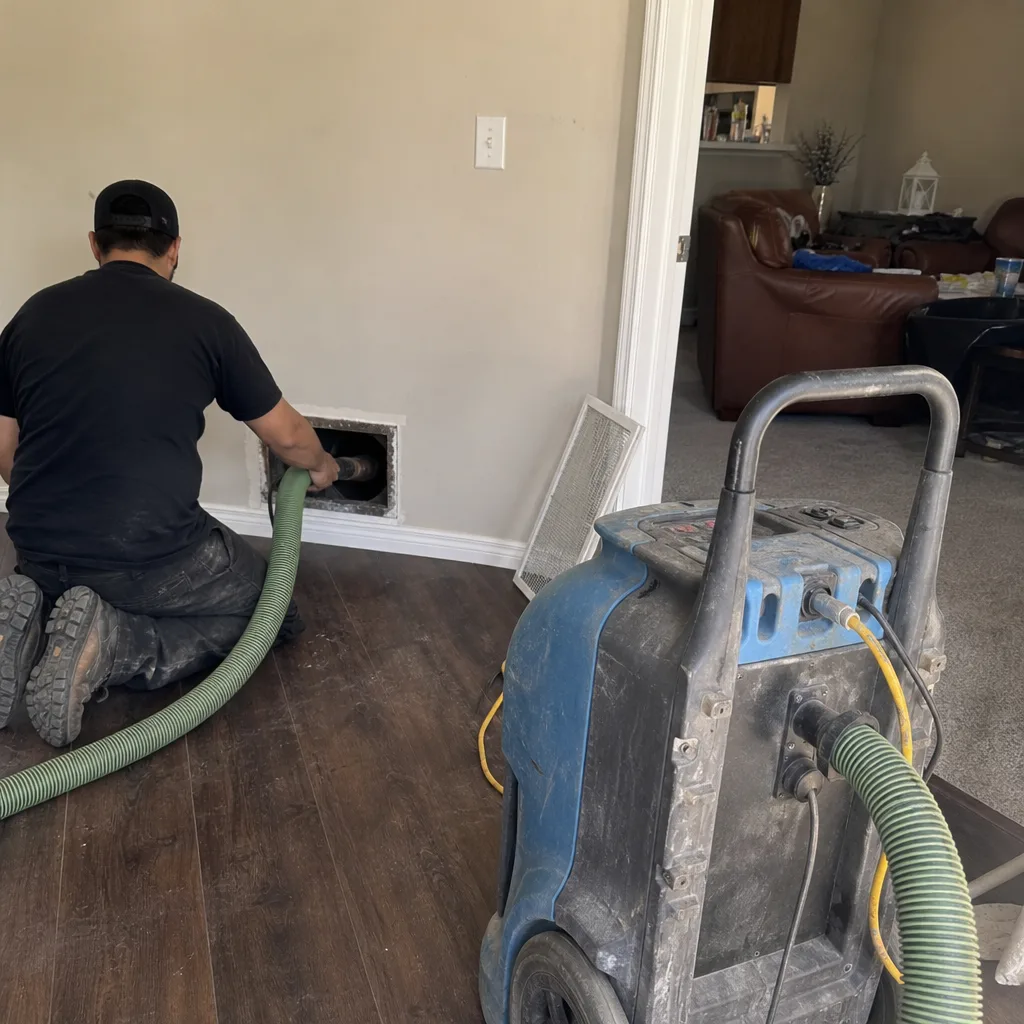
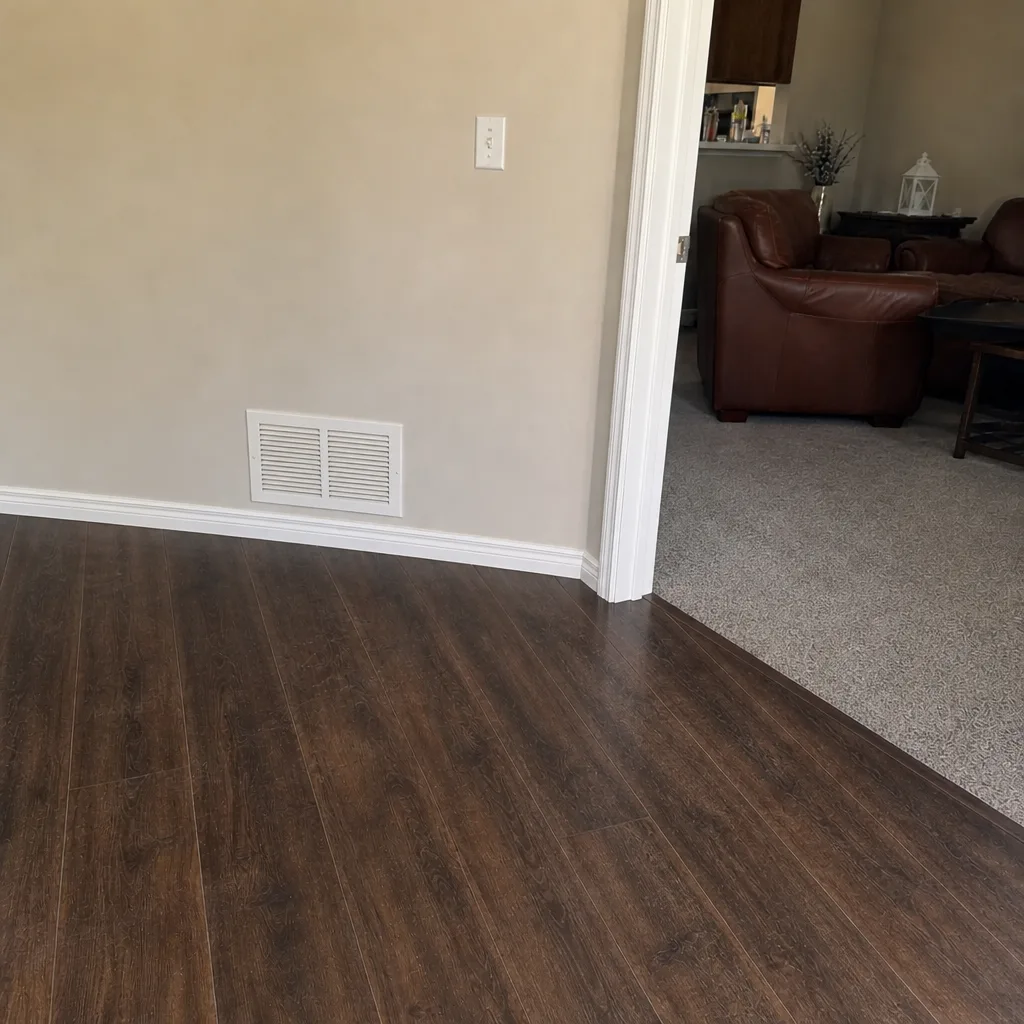
Whole-system duct and dryer vent check with before-and-after photos - you see exactly what came out of your vents
That "$99 whole-house special" is a bait ad - the real number appears once they are in your hallway, or the "clean" is a shop-vac at the register. We photograph the inside of your ducts before and after instead.
Air Duct Cleaning Maintenance Schedule: What to Do and When
The “clean your ducts every three to five years” rule gets repeated everywhere, and almost nobody asks where it came from. It wasn’t handed down by a medical body or a building science lab. It was a rough industry estimate written back before high-MERV filtration became common in homes, when most filters were the cheap fiberglass panels that stop almost nothing. Since then, everything that actually determines how fast a duct system gets dirty has changed: the filters we use, the volume of dust in the air, and how sealed our houses are. In Broomfield, with our wind and our altitude, that old rule often misses by years in one direction or the other. This guide replaces the fixed interval with a calendar built around what’s actually happening in your house.
Quick Answer
There’s no single correct interval. In our experience, a home with no pets, no allergy sufferers, and decent filtration often goes four to five years between cleanings. A home with pets, a smoker, allergy sufferers, or recent renovation can need it every two to three. The better method is to watch the leading indicators – filter loading rate, visible dust at the registers, and static pressure if you have a gauge – and clean when those signals tell you to. A professional inspection every two years is the smart check-in.
Styles & brands we work with
- Whole-home duct cleaning
- Dryer vent cleaning
- Camera inspection
- Sanitizing & deodorizing
Table of Contents
- Why the 3-to-5-Year Rule Misses the Point
- The Variables That Actually Drive Contamination Rate
- Your Baseline: What a “Normal” Household Looks Like
- Trigger Events That Reset the Clock
- Broomfield-Specific Factors You Can’t Ignore
- Your Month-by-Month Maintenance Calendar
- Reading Your Filter as a Leading Indicator
- What Records to Keep After Every Professional Cleaning
- Common Mistakes to Avoid
- When to Call a Professional
- Frequently Asked Questions
Why the 3-to-5-Year Rule Misses the Point
The interval you’ll find on most websites is a US EPA-adjacent estimate, not a clinical recommendation, and it was widely circulated long before residential high-MERV filtration was standard. That single fact changes how you should read it. If your house runs a MERV 13 filter in an airtight envelope and has no pets, the EPA figure might have you cleaning twice as often as needed. If your house has two dogs, a wood shop in the basement, and a MERV 6 filter, that same number will leave you breathing recirculated dust for years longer than you should.
Here’s the deeper problem: “clean the ducts every 3-5 years” treats the whole system as a uniform pipe, but ductwork isn’t uniform. The return trunk carries the heaviest particulate load. The supply runs closest to the blower see more deposition. Flex duct in a crawlspace behaves differently from hard-pipe in a hallway. A short return plenum off a basement air handler gets coated faster than a long straight run feeding a second-floor bedroom.
We’ve seen systems that were genuinely overdue at two years and systems that were still reasonably clean at seven. What separated them wasn’t the calendar. It was pet load, filter quality, envelope tightness, and how many renovations happened in the interim. That’s what should set your schedule in Broomfield – not a number somebody typed into a brochure in the 1990s.
The Variables That Actually Drive Contamination Rate
Six variables explain almost all of the variation in duct contamination we see. If you can honestly assess each one, you’ll get a far more accurate cleaning interval than any fixed rule will give you.
The six variables
- Pet load. One large double-coated dog sheds as much particulate as three or four people. Two cats deposit dander year-round. Pet households almost always need a shorter interval.
- HVAC filter quality and change frequency. A MERV 13 filter changed on schedule traps far more than a MERV 6. Filter grade is the single biggest controllable variable.
- Envelope tightness. Loose return duct joints and unsealed penetrations pull in unfiltered attic or garage air. Those leaks bypass the filter and deposit directly into the airstream.
- Renovation history. Drywall dust, sawdust, fiberglass fibers, and insulation particles are heavy and sticky. A single kitchen remodel can put more particulate into the return side than five years of normal living.
- Occupant health profile. Homes with allergy sufferers, asthma, or immune-compromised residents benefit from a shorter interval regardless of visible dust.
- Outdoor particulate load. Homes near busy roads, near construction, or in windy areas see more infiltration through envelope gaps. This is where Broomfield stands out, which we’ll get to below.
How to score yourself
Tally the variables that apply to you. Pets, allergy sufferers in the home, recent renovation, or a persistent musty smell each pull your interval shorter by roughly a year. A recent professional cleaning, a properly sealed duct system, and a well-fitting MERV 11 to 13 filter pull it longer. Most Broomfield homes land somewhere between two and five years once you run the math honestly.
Your Baseline: What a “Normal” Household Looks Like
Before we talk about triggers, it helps to know what a plain-vanilla Broomfield household actually needs. A baseline home is one with no pets, no smokers, no allergy sufferers, no renovation in the last two years, a MERV 8 to 11 filter changed on schedule, and a sealed duct system. For that household, we typically recommend:
- A professional full-system cleaning every four to five years.
- A brief visual inspection every two years to confirm the system is holding up.
- Filter changes on the manufacturer’s schedule, or sooner if the filter visibly loads before then.
- A dryer vent cleaning every year to eighteen months, independent of the duct schedule.
That baseline is a starting point, not a rule. Every trigger we cover below moves it. And a baseline household that hasn’t had a cleaning in more than five years, or has never had one, often finds the first cleaning reveals more than expected – especially if the previous owner had pets or completed a kitchen remodel before the sale. We see this in established Broomfield neighborhoods where a house has changed hands a couple of times, and the new owner genuinely doesn’t know the history of the duct system.
Once you have that first professional cleaning done, you have a baseline you can actually measure against. That’s the whole point of keeping records, which we cover further down.
Trigger Events That Reset the Clock
Some events override whatever interval you were on. When one of these happens, schedule an inspection or cleaning rather than waiting for your original schedule to come around.
Triggers that shorten the interval
- Adding a pet. Especially a large, double-coated, or long-haired breed. Reset the clock to two years.
- Any renovation that generates dust inside the envelope. Drywall, flooring, cabinet replacement, painting with sanding, insulation work. Cleaning the ducts after the renovation protects the HVAC equipment for years.
- A new allergy or asthma diagnosis in the household. Whether it’s a child or an adult, the household benefit of a shorter interval is immediate.
- Moving into a new home. You have no reliable history of previous cleanings. Treat the move-in as time zero.
- A water intrusion event. Even a small leak that wets duct insulation or the air handler cabinet can set up mold. Get it professionally inspected, not just dried.
- Visible dust plumes at the registers when the system first fires up in the fall. That’s an active resuspension problem, not old dust settling.
- A musty or stale smell when the heat or AC kicks on. It usually means biological growth somewhere in the system.
- Replacing the HVAC unit. Most manufacturers and installing contractors want clean ductwork serving a new air handler. Cleaning before the new unit goes in is easier than cleaning around it.
If two or three triggers stack up, shorten more aggressively. A pet plus a renovation plus a new baby means “as soon as the renovation dust settles,” not “in a couple of years.”
Broomfield-Specific Factors You Can’t Ignore
Broomfield sits at roughly 5,400 feet on the Front Range, between Boulder and Denver, where the wind pattern is not subtle. The city gets consistent chinook-driven gusts out of the west that pick up soil particulate off the prairie and the foothills and drive it hard against building envelopes. On a gusty spring day, the outdoor particulate load in Broomfield can rise dramatically in a matter of hours. That dust doesn’t just stay outside. Every gap in your envelope – around window frames, at the sill plate, at penetrations for dryers and outdoor spigots, and especially at poorly sealed duct joints in the attic or crawlspace – is an entry point.
The high-altitude dry air compounds the effect. Low winter humidity means static electricity builds on dust particles and makes them cling to duct walls rather than stay airborne to reach the filter. That static attraction is one reason the internal surfaces of Broomfield ductwork can accumulate more visible film than the same-age system in a more humid climate would.
Three practical consequences for Broomfield homeowners:
- Return-side duct leakage in unconditioned space matters more here than in a stiller climate. A leaky return pulls in raw outdoor air on every gust. That’s why duct repair and sealing alongside cleaning makes real sense. It’s one of the service lines we run as a result.
- Homes on the western edge, closer to the foothills and open prairie, see higher infiltration than homes tucked against a windbreak or in a denser subdivision. If you’re on a windward lot, lean toward the shorter end of every interval.
- Spring is the worst dust season in Broomfield. If you clean once a year or once every two, cleaning in late spring or early summer captures the heaviest particulate season behind you rather than ahead of you.
We use professional-grade Rotobrush and Nikro equipment on every job precisely because high-altitude dust is finer and more abrasive than typical household dust. Consumer-grade vacuums and rental equipment simply don’t have the airflow or filtration to remove it without resuspending half of it into the living space. Abatement Technologies containment equipment is set up around the work area to keep loosened particulate from migrating into unaffected rooms while the job is running. Contaminants contained, not just disturbed, is the standard we hold to.
Your Month-by-Month Maintenance Calendar
The best schedule is one you can actually do. Here’s a month-by-month set of tasks split between what a homeowner can handle and what needs professional equipment. This is written for a year with a professional cleaning already done, or none yet, in Broomfield.
Homeowner tasks (do these yourself)
- Every month: Check the HVAC filter. Hold it up to a light. If you can’t see through it, replace it. Change it if it’s been three months or the manufacturer’s label says so.
- Every month: Walk the supply and return registers and look for visible dust trails, dark streaks above the registers, or debris piling at the grille.
- Every two to three months: Vacuum register grilles on both sides with a brush attachment.
- Every spring (March to May): Do a walk-around of the outer duct runs visible in the attic, basement, or crawlspace. Look for disconnected joints, crushed flex duct, or damaged insulation.
- Every fall (September to October): Before the heating season, pull the thermostat schedule and confirm the system cycles normally. Listen for new noises at the return.
- Every fall: Have the furnace inspected and serviced by an HVAC contractor. Clean filters plus a healthy air handler is the leading combination for reducing duct contamination.
- Every year: Clean or have the dryer vent cleaned. This is independent of the duct system and a genuinely important fire-safety task.
- Every two years: Have the ducts professionally inspected with a camera and a visible-dust assessment. This is the check-in that catches problems before they compound.
Professional tasks (need real equipment)
- Full internal cleaning of the trunk, branches, and supply runs with source removal.
- Return-side negative-pressure work with HEPA containment.
- Air handler and coil cleaning, which is a separate task from duct cleaning.
- Duct repair and sealing for any leaks identified during the inspection.
- Air sanitizing when biological growth is confirmed during inspection.
That’s the split that actually works. Everything in the homeowner column catches problems early and costs near nothing. Everything in the professional column does work that no shop vac or rental machine can do without making the situation worse.
Reading Your Filter as a Leading Indicator
Your filter tells you more about the state of your duct system than any calendar could. This is the part of duct maintenance that gets the least attention and delivers the most insight.
Here’s how to use it as a diagnostic tool:
- Log the change date every time. Write it on the filter edge in pencil. Note the outdoor conditions or events between changes.
- Photograph the filter before replacing it. Put the photo in a phone album called “HVAC filters” so it survives the purge.
- Watch for shortening intervals. If a filter that historically lasted three months is loading visibly in six weeks, that’s a signal. Either outdoor particulate is higher, or something is driving more debris into the return. Both mean a duct inspection is worth scheduling.
- Watch for discoloration depth. A filter that goes dark gray across its full depth in a short time is catching a heavy load. That load had to come from somewhere.
- Watch for dark bands at the edges. That pattern usually indicates bypass – air sneaking around an improperly sized or poorly fitting filter slot. A bypassed filter does very little, and the dust it fails to catch goes straight into the ducts.
If you upgrade from a fiberglass panel to a MERV 11 or 13 filter, note the date and the filter type. Higher-MERV filters trap more, and the load that used to deposit onto duct walls now ends up on the filter, which is exactly what you want. That upgrade can add a year or more to your duct interval, because the ducts stop accumulating what the filter is now catching. We stock and install Honeywell air-quality products, so if you want to move up to better filtration during a cleaning visit, we can set that up in the same trip rather than scheduling a second contractor.
What Records to Keep After Every Professional Cleaning
A cleaning requires real records or it’s just a vague memory. The records you keep after a professional cleaning become the baseline you measure every future decision against. Five years from now, when you’re wondering whether it’s time for another cleaning, those records answer the question objectively.
The record-keeping checklist
- The date and the scope of work. Which parts of the system were cleaned – supply runs, return side, air handler, dryer vent.
- Before-and-after photos. A reputable professional will photograph the inside of the ducts before and after. Keep them. They give you a clear visual history.
- Any findings during inspection. Duct leaks, damaged insulation, disconnected joints, mold-suspect areas. Even if they weren’t repaired, log them.
- Filter type and change date. Note the MERV rating, the model number, and the size.
- Any repair and sealing work performed, with the locations noted.
- Any air-quality equipment installed, such as a Honeywell filtration product or an Aprilaire humidifier, including the installation date and the maintenance schedule.
Keep those files together – physical or digital – and you’ll never again be guessing when the last cleaning happened. When you sell the house, the file is a genuine value-add for the buyer. And when you call us or any other professional for the next cleaning, you can describe the history accurately, which lets the technician plan the work properly instead of starting from scratch.
Common Mistakes to Avoid
- Treating the 3-5 year rule as gospel. It ignores pet load, filtration quality, and renovation. In Broomfield, where wind-driven dust is a real factor, the fixed rule misses by years in either direction.
- Waiting until you “see” dust. By the time dust is visible at the registers, the system has been loading up for a while. Watch the filter and the register trails instead of waiting for the obvious sign.
- Cleaning the ducts without checking for leaks. A leaky duct is a re-contamination pathway. If you clean a leaky system and don’t seal it, the ducts fill again faster. We fix what we find during a cleaning visit for exactly this reason.
- Using high-MERV filters in an older system without checking the airflow. Overly restrictive filters can starve an air handler and drive other problems. Match the MERV to what the system can move, not to the highest number on the shelf.
- Believing the coupon price is the real price. Very low advertised prices often come with per-vent pricing that adds up fast once the technician is on site. We quote a flat price per system, agreed before work starts, on a written estimate.
- Letting the dryer vent slide. It’s a fire-safety item, and it’s usually the most neglected duct in the house. Broomfield’s dry air means lint dries out faster and becomes more combustible, not less.
- Skipping documentation. If you don’t keep any records of the last cleaning, you’re starting from zero every time. Photograph, log, save.
When to Call a Professional
Some situations clearly point to a professional rather than a homeowner task. You should call if you see visible dust plumes at the registers when the system starts up, notice a musty smell when the heat or AC kicks on, or discover that the ducts in your attic or crawlspace are visibly damaged or disconnected. You should also call after any renovation that produced drywall dust or sawdust, after any water intrusion that could have wet duct insulation, and after any new allergy or asthma diagnosis in the household. If it’s been more than five years since the last cleaning, or you simply don’t know when the last one happened, start with an inspection. Broomfield Air Duct Cleaning offers free estimates in Broomfield; call (866) 947-8482 to set one up. A written estimate is set before any work starts, and before-and-after photos are standard on every job. We use professional-grade Rotobrush and Nikro equipment with Abatement Technologies containment so the loosened particulate ends up in the vacuum and not in your living room, and we carry the duct repair and sealing capability to fix what we find during the same visit.
Frequently Asked Questions
Two to five years is a reasonable range, but the right interval depends on pet load, filter quality, renovation history, allergy needs, and outdoor particulate in your area. A baseline home with no pets and good filtration typically goes four to five years. A home with pets, allergy sufferers, or recent renovation can need two to three. Call (866) 947-8482 for an exact recommendation based on your system – estimates are free.
Pricing depends on system size, ductwork accessibility, and scope – whether it includes the return side, air handler, and any repair work. We quote one flat price per system on a written estimate before work starts, with no per-vent arithmetic. That’s the number you can rely on. Call (866) 947-8482 for an exact quote – estimates are free.
Low advertised prices usually hide per-vent pricing that adds up quickly once the technician is on site. Some shops skip the return side, skip containment, or run consumer-grade vacuums that resuspend half the dust they touch. A fair quote is a single flat price for the whole system, agreed before the work starts. Call (866) 947-8482 for a written estimate with the full scope spelled out.
Ask for before-and-after photos of the inside of your own ducts. That’s the single most reliable way to verify work on a system you can’t see. A professional should also walk you through what was found, what was cleaned, and any repair work performed. Call (866) 947-8482 to schedule a visit with photos and a written scope.
Yes, for many homes. Broomfield’s chinook-driven spring winds drive fine particulate against building envelopes, and any leak in the return side pulls that unfiltered dust into the system. We typically recommend leaning toward the shorter end of the interval if your house is on a windward lot or has any duct leakage. Call (866) 947-8482 to have a technician assess the return side and the attic runs.
After the renovation finishes and the dust settles, but before the HVAC system runs heavily again. Cleaning mid-renovation just means the ducts fill up again. Cleaning at the end captures the whole renovation load in one pass. Call (866) 947-8482 to schedule a post-renovation cleaning.
Putting It All Together
If you only remember one thing from this guide, make it this: the right cleaning interval for your home in Broomfield isn’t a number off a website. It’s a number you build from your own baseline, then refine with what the filter and the registers are telling you. Clean once with professional equipment to establish a true zero, photograph the filters, keep the record, and let the leading indicators drive the next decision.
A quick recap of the framework
- Start with the baseline interval: four to five years for a low-load home, two to three for a pet, allergy, or renovation household.
- Watch the filter degradation rate as your primary leading indicator.
- Reset the clock after any trigger event – new pet, renovation, water intrusion, new allergy diagnosis.
- Keep records from every professional cleaning. They’re what makes the next decision objective.
- Check the ducts against Broomfield’s wind and dust reality, not a fixed number from a brochure.
Contact
If you’re in Broomfield and ready to establish a real baseline, or if you’re not sure when your ducts were last cleaned, the best first step is a free estimate. We use professional-grade Rotobrush and Nikro equipment on every job, contain the work with Abatement Technologies protocols so nothing recirculates into your living space, and fix what we find with duct repair and sealing rather than cleaning around a problem. Call (866) 947-8482 to schedule your free estimate. We answer 24/7. Fast dispatch from 7am to 7pm, Sunday through Friday.
Written by the team at Broomfield Air Duct Cleaning.
See the difference
 Before
 After
 Before
 After
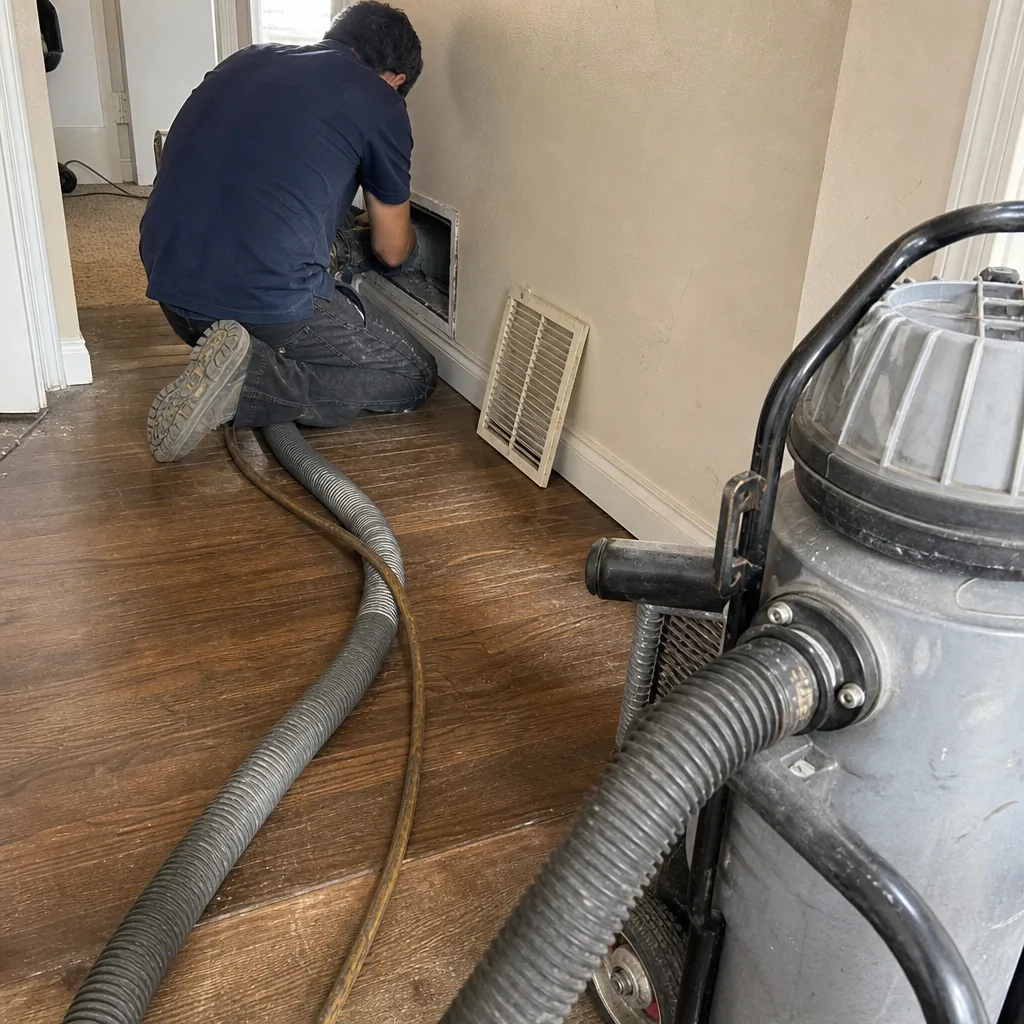 Before
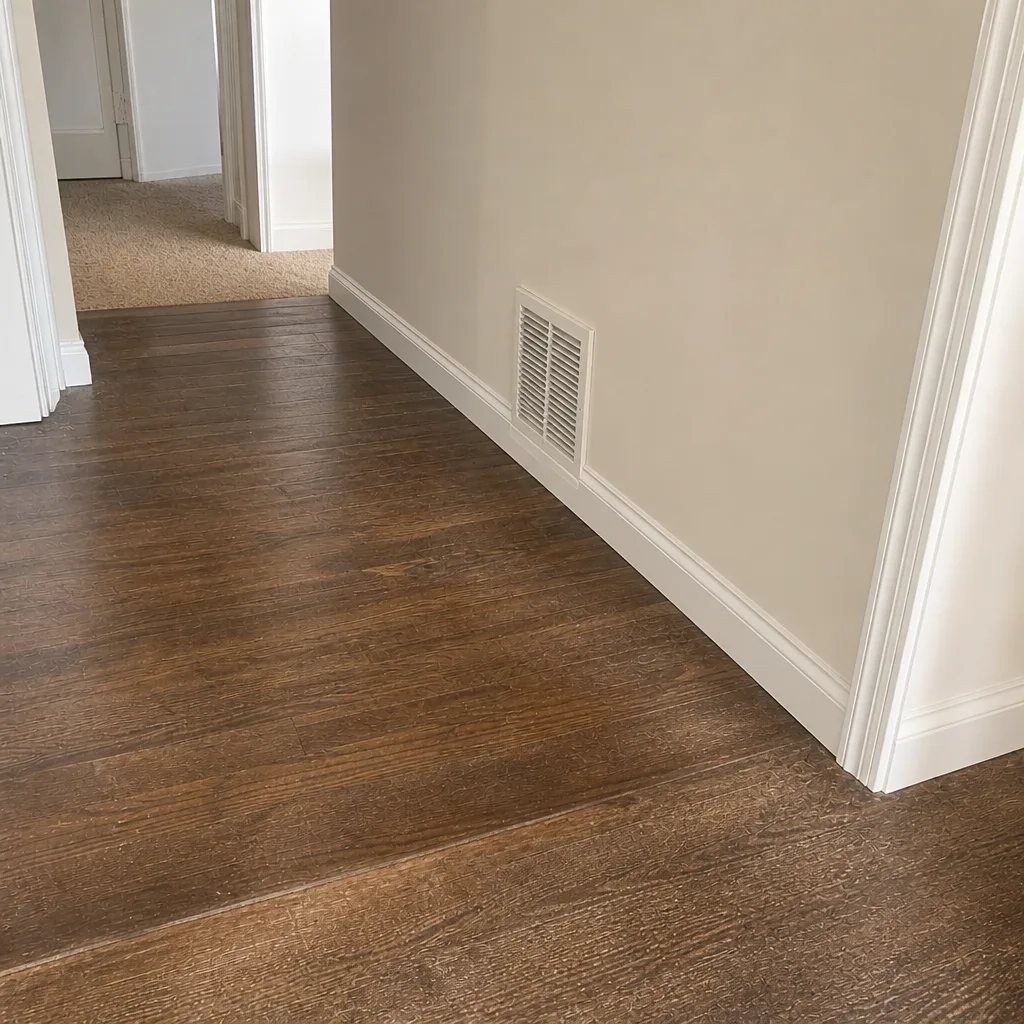 After